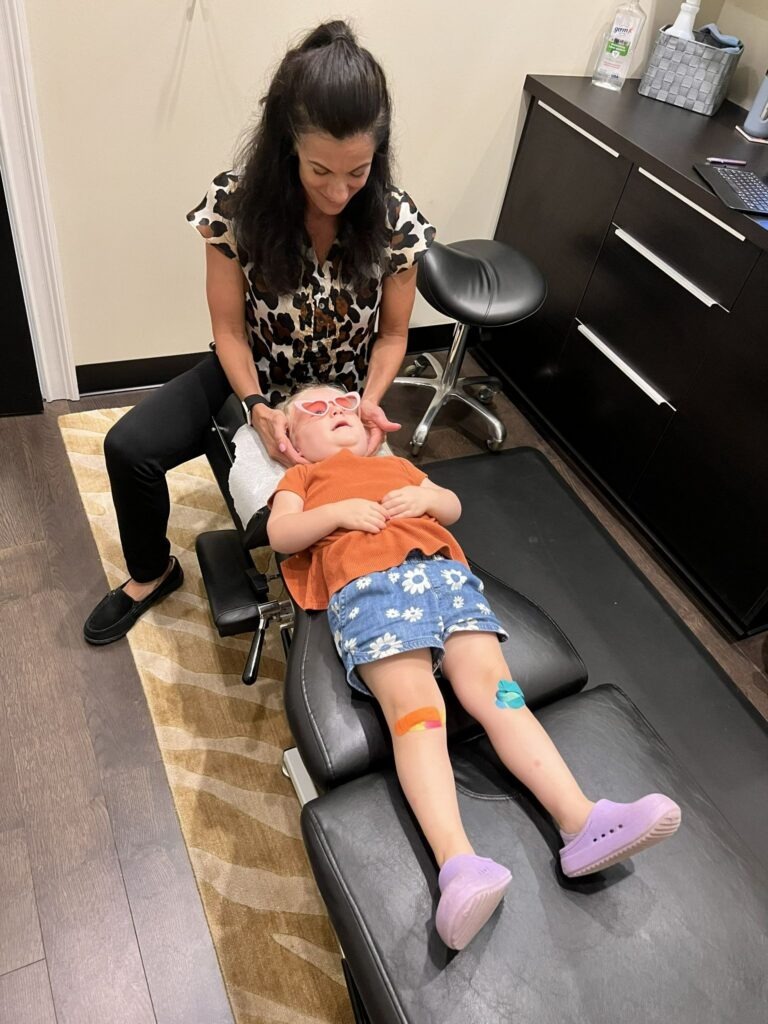

As a local chiropractor, I want to emphasize the importance of flexibility for your overall health and wellness. Many people underestimate how crucial flexibility is for not just physical performance, but also for daily activities and injury prevention. To help you understand your current flexibility levels, I invite you to take our quiz. It’s designed to assess where you stand and highlight specific areas that may need attention.
Once we have your results, I can provide personalized stretching recommendations that align with your unique needs. This tailored approach will guide you towards a more flexible lifestyle, ultimately enhancing your well-being and performance. Are you curious about how flexibility impacts your health and what you can achieve through improved mobility? Let’s delve into the numerous benefits together!
Understanding Flexibility and Its Benefits
As a local chiropractor, I want to emphasize that flexibility goes beyond just being able to touch your toes; it’s a vital aspect of your overall health and fitness that can significantly improve your physical performance while also helping to prevent injuries.
When you prioritize flexibility in your routine, you enhance your range of motion, which means you can engage in daily activities—like bending, twisting, and reaching—without discomfort or strain.
Incorporating flexibility training into your lifestyle can be a game-changer for your athletic endeavors. Whether you’re running, cycling, or participating in sports, improved flexibility allows your muscles to function more efficiently, leading to better performance.
Additionally, it can help alleviate muscle soreness after intense workouts, making your recovery process much smoother.
Furthermore, flexibility is essential for maintaining good posture. When your muscles are flexible, they provide the proper support for your body, reducing the risk of back pain and discomfort.
Therefore, making flexibility a priority isn’t only wise; it’s essential for your overall well-being and health journey. As your chiropractor, I encourage you to embrace flexibility as part of your path to natural healing and enhanced physical health.
Assessing Your Current Flexibility Level
Assessing your flexibility is an important step in understanding your overall health and wellness. As a local chiropractor, I often see patients who are unaware of their body’s limitations, and a simple self-assessment can provide valuable insights.
To begin, sit on the floor and attempt to reach for your toes. This exercise will reveal how flexible your hamstrings and lower back are. Next, evaluate your shoulder mobility by reaching one arm overhead while bringing the other behind your back—check if your fingers can touch. This is an excellent way to gauge the flexibility of your shoulders.
Don’t overlook your hips! A seated butterfly stretch can help you assess hip flexibility. Pay attention to how far your knees can drop toward the floor; this can indicate your current level of hip mobility.
As you perform these tests, take note of any tight or restricted areas. This self-assessment is crucial for identifying specific flexibility challenges that might be contributing to discomfort or pain.
Personalized Stretching Recommendations
As a local chiropractor, I want to share some insights on how to improve your flexibility in a way that aligns with natural healing principles. It’s important to create a stretching routine that caters specifically to your body’s needs and limitations.
Start by paying attention to any areas that feel tight or restricted. These are the muscle groups you should focus on in your personalized stretching plan. For example, if you notice tightness in your hamstrings, incorporating stretches like forward bends or seated stretches can be particularly beneficial.
Your activity level also plays a significant role in how you approach stretching. If you’re an athlete, dynamic stretches can help enhance your performance and prepare your body for movement. On the other hand, static stretches are excellent for post-workout recovery and relaxation.
I recommend aiming to stretch at least three times a week to maintain flexibility.
It’s crucial to listen to your body as you stretch. If you encounter any pain, ease back and allow yourself to improve gradually. Tracking your progress can be very motivating, so take the time to celebrate your small victories along the way!
Incorporating Flexibility Training Into Your Routine
As a local chiropractor dedicated to promoting natural healing and overall wellness, it’s important to understand how flexibility training can play a vital role in your health.
Once you’ve established a personalized stretching routine, the next step is to seamlessly integrate flexibility training into your daily life. Here are three effective approaches to help you get started:
- Set Specific Times: It’s essential to carve out dedicated time in your day for stretching. Whether you prefer to stretch in the morning to start your day right, during breaks to relieve tension, or before bed to unwind, consistency is crucial for reaping the benefits of flexibility.
- Combine with Other Workouts: To enhance your overall fitness and recovery, consider incorporating flexibility exercises into your existing workout regimen. For instance, after engaging in strength training or cardiovascular workouts, adding targeted stretches can help cool down your muscles and improve recovery.
- Use Reminders: Staying committed to your flexibility routine can sometimes be challenging. To make it easier, set reminders on your phone or place sticky notes in prominent spots around your home or workspace. These small prompts can help keep you accountable and ensure that flexibility training becomes a regular part of your lifestyle.
Tracking Your Progress and Staying Motivated
Staying motivated on your flexibility training journey may seem daunting, but as your local chiropractor, I can assure you that tracking your progress is crucial. One effective method is to maintain a journal where you can record your stretching routines, the duration of each stretch, and any improvements you observe over time. This tangible record not only illustrates how far you’ve come but also highlights areas that may need extra attention.
I encourage you to set specific, achievable goals—such as reaching a new stretch or holding a position for a longer duration. Each time you achieve a milestone, take a moment to celebrate! This practice not only boosts your motivation but also keeps you engaged in your journey.
Additionally, documenting your progress through photos or videos can provide a visual representation of your flexibility improvements. Comparing these snapshots over time can be incredibly inspiring and a great way to see just how much you’ve advanced.
Lastly, consider joining a community or finding a workout buddy who shares your goals. Sharing your experiences and challenges with others can help keep you accountable and motivated.