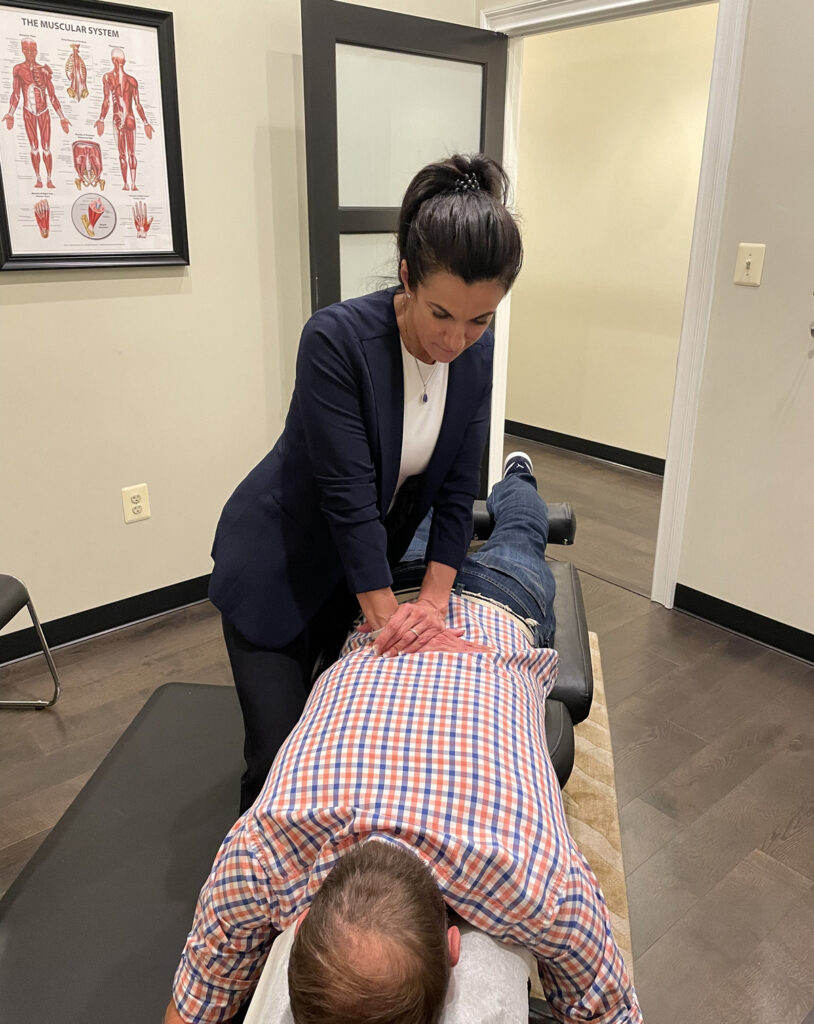

As a local chiropractor, I want to emphasize how crucial recovery is for athletes, just as important as your training regimen. Many of you may already know the basics: prioritizing sleep, staying hydrated, and fueling your body with the right nutrition can significantly impact how quickly you recover from intense workouts. However, there are additional strategies—particularly those related to chiropractic care and natural healing—that can further enhance your recovery and help you maintain optimal performance.
Incorporating active recovery techniques, such as gentle stretching or low-impact exercises, can promote blood flow and alleviate muscle tension. Additionally, chiropractic adjustments can help realign your spine and joints, which may improve overall mobility and reduce pain. I also recommend exploring advanced therapies like massage or myofascial release to complement your healing process.
If you’re curious about how to incorporate these practices into your routine, I’m here to guide you through the benefits of chiropractic care and how it can support your athletic endeavors. Let’s work together to enhance your recovery and keep you performing at your best!
Prioritize Sleep and Rest
As a local chiropractor, I want to emphasize the importance of prioritizing sleep and rest for your overall health and well-being. When you make sleep a priority, you’re allowing your body the essential time it needs to recover and rebuild, ultimately becoming stronger.
Quality sleep is crucial for muscle repair, hormone balance, and optimal performance in your daily activities. I recommend aiming for 7 to 9 hours of uninterrupted sleep each night. Establishing a calming bedtime routine can signal to your body that it’s time to wind down.
Additionally, limiting screen time and avoiding caffeine in the hours leading up to bedtime can significantly improve your sleep quality. It’s also important to listen to your body. If you’re feeling fatigued during the day, don’t hesitate to take a short nap.
Power naps can enhance your alertness and overall performance. Remember, rest days aren’t just a break; they’re a vital part of your health regimen. Consider incorporating active recovery practices like gentle stretching or yoga, which can keep your body engaged while allowing it to heal.
Hydration: The Key to Recovery
As a chiropractor, I want to emphasize the importance of staying hydrated for your overall recovery and well-being. Proper hydration is crucial for your body’s healing processes, especially if you’re physically active.
It’s not just about drinking water; it’s also about ensuring you have the right balance of electrolytes to support your body’s functions.
When you engage in intense physical activities, your body loses fluids and electrolytes, which can hinder your recovery. By being mindful of your hydration strategies and timing, you can significantly improve how quickly you recover from training or competitions.
This approach not only aids in muscle recovery but also supports the alignment of your spine and overall health, which is foundational in chiropractic care.
Importance of Water Intake
As a local chiropractor, I want to emphasize the crucial role hydration plays in your overall health and recovery process. Many people may not realize that staying properly hydrated can significantly impact your performance and well-being.
When you drink enough water, your body can effectively transport nutrients, regulate temperature, and eliminate waste, all of which are vital for recovery, especially after physical activities or workouts.
It’s important to make it a habit to drink water consistently throughout the day, not just during exercise. Aim to consume at least half your body weight in ounces of water daily, and if you find yourself sweating more than usual, consider increasing that amount.
Dehydration can lead to issues like fatigue, muscle cramps, and decreased endurance, which can hinder not only your recovery but also your overall health.
Electrolyte Balance Essentials
As a local chiropractor dedicated to your overall health, I want to highlight the importance of not just hydration, but also maintaining a proper balance of electrolytes for your recovery and well-being.
Many people think of water as the main component of staying hydrated, but electrolytes like sodium, potassium, and magnesium play a crucial role in how our bodies function. These minerals help regulate fluid balance, support muscle function, and facilitate nerve signaling.
When you engage in intense physical activities, your body loses these vital electrolytes through sweat. This loss can lead to symptoms like fatigue, muscle cramps, and prolonged recovery times.
To support your body’s natural healing processes, I recommend incorporating electrolyte-rich foods into your diet, such as bananas, oranges, and leafy greens, or considering sports drinks when appropriate.
It’s also essential to listen to how your body feels. If you’re experiencing sluggishness or cramping, this could be a sign that your electrolyte balance is off.
By prioritizing electrolyte balance, you can enhance your recovery and prepare yourself to tackle your next challenge with renewed strength.
Timing Hydration Strategies
As your local chiropractor, I want to emphasize the importance of hydration in your overall recovery and well-being. Proper hydration isn’t just about drinking water; it’s about understanding the right timing and quantity for optimal health. Here are some strategies to keep in mind:
- Before Your Activities: It’s crucial to hydrate adequately before any physical activities. This helps prepare your body and can enhance your performance during exercises, reducing the risk of injury.
- During Exercise: Make it a habit to sip water or electrolyte beverages throughout your workout. This helps maintain fluid balance, supports your muscles, and can prevent fatigue, which is essential for your overall physical health.
- After Your Activities: Aim to rehydrate within 30 minutes after finishing your workout. This is a vital window for recovery, as it helps replenish the fluids you’ve lost and kickstarts the healing process.
Staying informed about your hydration can contribute significantly to your health journey and support your chiropractic care.
Nutrition for Optimal Healing
As your local chiropractor, I want to emphasize the crucial role that nutrition plays in your recovery process. The right foods can significantly enhance your healing journey and support your overall well-being.
It’s important to focus on a balanced diet that includes lean proteins, whole grains, fruits, and vegetables. Proteins are essential for repairing muscles, so try to incorporate options like chicken, fish, and legumes into your meals. Whole grains provide the energy you need to aid your recovery, while fruits and vegetables are packed with vital vitamins and antioxidants that help combat inflammation.
Healthy fats should also be a part of your diet. Incorporating sources such as avocados, nuts, and olive oil can support cellular repair and overall health.
Don’t overlook the importance of staying hydrated—water is key for transporting nutrients throughout your body and removing waste.
Timing your meals in relation to your physical activities can also optimize nutrient absorption. For example, consuming a mix of carbohydrates and protein after a workout can accelerate your recovery process.
It’s important to listen to your body as well; if you find yourself craving certain foods, this could be your body’s way of indicating its specific nutritional needs.
By prioritizing your nutrition, you’ll not only enhance your healing process but also support your overall health and well-being.
I encourage you to take these dietary considerations seriously as part of your journey towards optimal health.
Active Recovery Techniques
As a local chiropractor, I want to share the importance of active recovery techniques for maintaining your body’s health, especially after intense workouts.
Many people are unaware that incorporating methods like dynamic stretching, low-intensity cardio, and mobility exercises can significantly enhance your recovery process and help prevent injuries.
By focusing on these natural healing methods, you not only improve your physical performance but also ensure you feel refreshed and ready to tackle your next challenge.
It’s all about taking care of your body in a holistic way, and I’m here to guide you on that journey.
Dynamic Stretching Benefits
As a local chiropractor, I want to share some valuable insights about the role of dynamic stretching in recovery and overall performance enhancement.
Many people think of stretching only as something to do before a workout, but incorporating dynamic stretching into your post-exercise routine can significantly benefit your body. This technique keeps your muscles engaged and helps maintain flexibility, which is vital for your athletic success and overall well-being.
Here are some key benefits you can experience:
- Improves blood circulation: Dynamic stretching boosts blood flow to your muscles, which is essential for effective recovery after physical activity. Better circulation can help deliver nutrients to your muscles more efficiently.
- Reduces muscle soreness: By staying active through dynamic movements, you can alleviate tension and stiffness that often occurs post-exercise. This can lead to a more comfortable recovery process.
- Enhances mobility: Regularly practicing dynamic stretching helps maintain your range of motion, ensuring your body stays agile and responsive. This is particularly important for preventing injuries and supporting your overall health.
By integrating dynamic stretching into your routine, you can promote a holistic approach to recovery that complements the chiropractic care we provide.
Let’s work together to keep your body functioning at its best!
Low-Intensity Cardio
As a local chiropractor, I want to share how incorporating low-intensity cardio into your recovery routine can significantly enhance your healing process after intense workouts.
Engaging in gentle activities such as walking, cycling, or swimming can keep your blood flowing, which is crucial for reducing muscle soreness and stiffness. These low-impact exercises help clear out metabolic waste products from your body, promoting faster recovery.
Additionally, low-intensity cardio stimulates the release of endorphins, which can elevate your mood and motivation—essential components of a holistic approach to health.
I recommend aiming for about 20 to 30 minutes of low-intensity cardio following your more strenuous training sessions. This method not only supports your recovery but also keeps your body active without placing excessive strain on it.
By incorporating these practices into your routine, you may notice improved performance and a greater sense of overall well-being.
As your chiropractor, I’m here to guide you on your journey to natural healing and optimal health.
Mobility Exercises Importance
As a local chiropractor, I want to emphasize the vital role mobility exercises play in your recovery and overall health. These exercises aren’t just about flexibility; they’re essential for reducing the risk of injury and enhancing your body’s performance.
Here’s why incorporating mobility exercises into your routine is crucial:
- Enhances range of motion: By improving flexibility, you enable better movement mechanics during your daily activities and physical pursuits. This can lead to more effective workouts and a lower chance of injury.
- Promotes blood flow: Increased circulation is beneficial for delivering essential nutrients to your muscles, which can significantly speed up recovery after exertion.
- Reduces soreness: Gentle movement through mobility exercises helps flush out lactic acid from your muscles, alleviating post-workout discomfort and promoting quicker recovery.
By integrating mobility exercises into your active recovery routines, you’ll keep your body in prime condition, ready for peak performance.
Incorporating Stretching and Mobility Work
As your local chiropractor, I want to emphasize the importance of incorporating stretching and mobility work into your routine to enhance your recovery and overall well-being. Many may not realize how crucial these practices are for maintaining a healthy body.
Stretching plays a vital role in improving flexibility, which in turn can help reduce the risk of injuries and enhance your physical performance. I recommend incorporating dynamic stretches before your workouts to prepare your muscles and joints, followed by static stretches afterward to promote blood flow and relaxation.
Mobility work is equally important, as it focuses on increasing the range of motion in your joints. Simple exercises like hip circles and shoulder dislocates can significantly contribute to joint health, allowing you to move with ease and comfort.
I encourage you to set aside dedicated time each week to focus on these practices. Even just 10-15 minutes a day can lead to remarkable improvements in how you feel and function.
Pay attention to your body’s signals; if you notice tightness or discomfort in certain areas, prioritize stretching those spots. By committing to both stretching and mobility work, you’ll not only support your recovery process but also empower yourself to tackle your next challenge with renewed strength and flexibility.
Utilizing Compression and Cryotherapy
As a local chiropractor, I want to share some valuable insights into how you can enhance your recovery and overall wellness through natural healing methods. While many of you may be familiar with the importance of stretching and mobility, incorporating techniques such as compression and cryotherapy can significantly improve your results.
These methods can play a crucial role in reducing muscle soreness and expediting your recovery process, allowing you to function at your best. Here are some key benefits of incorporating compression and cryotherapy into your routine:
- Improved Circulation: Compression therapy promotes better blood flow, ensuring that your muscles receive the essential nutrients they need for optimal performance and recovery.
- Reduced Inflammation: Cryotherapy is effective in minimizing swelling and inflammation, helping to speed up the healing process after physical activity or injury.
- Faster Recovery: By utilizing both compression and cryotherapy, you can significantly shorten your recovery time, allowing you to return to your training or daily activities more quickly.
Integrating these strategies into your wellness routine could be a transformative experience. You can wear compression garments during or after your workouts, while cryotherapy sessions can be scheduled following your exercise routine.
Mental Recovery: The Power of Mindfulness
After focusing on the physical aspects of recovery, such as techniques like compression and cryotherapy that I often recommend in my practice, it’s crucial to also address the mental side of healing.
As a chiropractor, I understand that the mind plays a significant role in your overall recovery process. Incorporating mindfulness practices can greatly enhance your focus, reduce anxiety, and improve your mental resilience.
I suggest starting with simple breathing exercises or guided meditations. These practices can help you anchor yourself in the present moment, allowing you to clear your mind and release the stress that can accumulate from intense training or competition.
Visualization techniques—imagining success and positive outcomes—can also be incredibly beneficial, as they can boost your confidence and motivation, ensuring you’re mentally prepared for future challenges.
Moreover, taking time to reflect on your experiences can foster a growth mindset. This approach helps you learn from setbacks and enhances your overall journey towards recovery.
By embracing these mental recovery techniques alongside your chiropractic care, you’ll find that a holistic approach to healing not only improves your performance but also enriches your entire athletic experience.