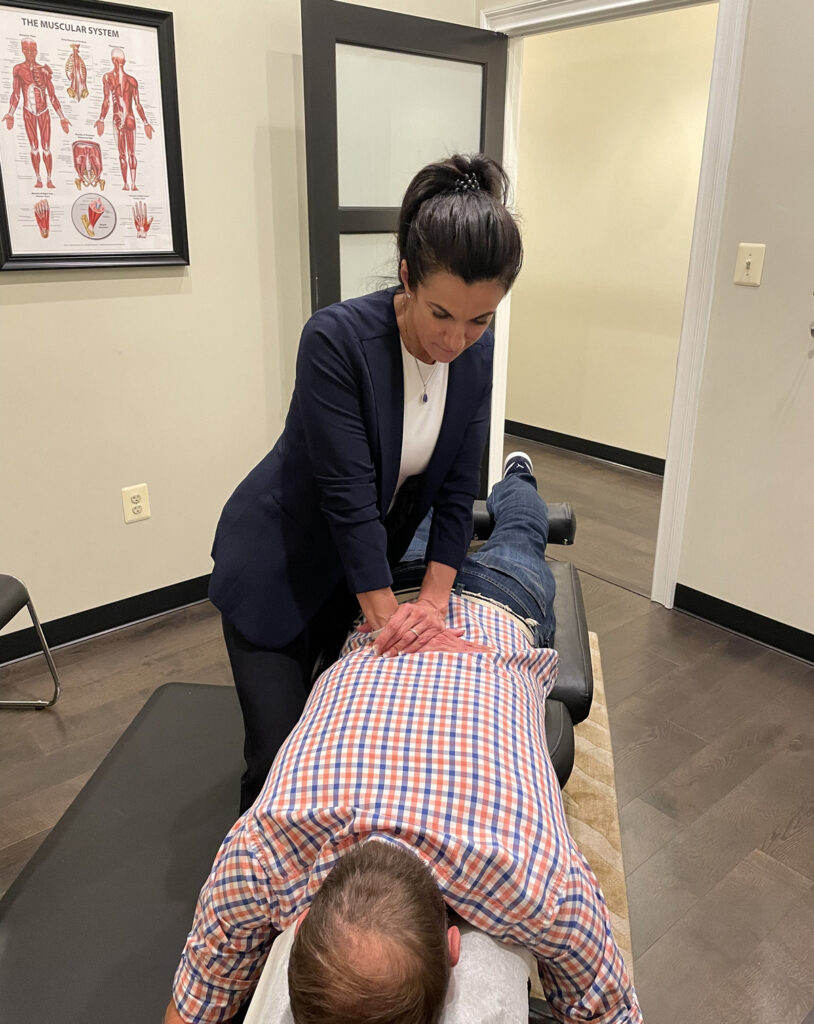

As a local chiropractor, I want to share how unlocking restful nights through natural healing can significantly enhance your overall well-being. Many of my patients discover that simple adjustments in their routines, such as incorporating herbal remedies or creating a calming sleep environment, can lead to improved sleep quality. Remember, it’s not just about the number of hours you spend sleeping; it’s about how refreshed and rejuvenated you feel when you wake up.
Have you considered how holistic practices, including chiropractic care, can further enrich your sleep experience? Our approach focuses on aligning your spine, which can alleviate tension and promote relaxation, setting the stage for a more restful night. Let’s explore these natural methods together to help you achieve the restorative sleep you deserve.
Understanding the Importance of Sleep
As a chiropractor, I want to emphasize that sleep isn’t merely a pause in your hectic day—it is essential for your overall health and wellness.
During sleep, your body engages in vital processes that repair tissues, balance hormones, and strengthen your immune system. Neglecting sleep can have serious repercussions, including heightened stress, anxiety, and an increased risk of chronic health issues. You may also struggle with focus and decision-making, which can impact your productivity and relationships.
Quality sleep is also key to maintaining emotional balance. It enables you to handle your mood and navigate daily challenges more effectively.
To prioritize sleep, consider creating a calming environment, maintaining a consistent sleep schedule, and tuning into your body’s needs. Keep in mind that it’s not just about the quantity of sleep you get, but the quality of that sleep.
Herbal Remedies for Better Sleep
As your local chiropractor, I want to share with you some natural approaches to enhancing your sleep quality. Many people are unaware of how herbal remedies can play a significant role in achieving better rest.
We’ll explore popular herbs known for their sleep-inducing properties, discuss how to prepare soothing herbal teas, and consider the benefits of essential oils that can foster relaxation.
Popular Sleep-Inducing Herbs
As a local chiropractor, I often emphasize the importance of holistic approaches to wellness, including the use of herbal remedies to promote better sleep.
Many of my patients may not be aware of the effectiveness of certain sleep-inducing herbs, which can complement chiropractic care in achieving overall well-being.
One of the most well-known herbs is valerian root. It’s recognized for its calming properties, which can help reduce anxiety and enhance sleep quality. Incorporating valerian root into your routine can be a natural way to support your sleep health.
Another herb that I frequently recommend is lavender. Its soothing scent can create a calming atmosphere, making it easier for you to relax and drift off to sleep.
You might consider using lavender essential oils or even a lavender sachet in your pillowcase.
Chamomile is also an excellent choice, often enjoyed as a warm tea in the evening. This herb has mild sedative effects that can help you unwind after a long day, making it a great addition to your nighttime ritual.
Don’t forget about passionflower, which is believed to enhance sleep quality and help alleviate insomnia.
Incorporating these herbs into your daily routine might just provide the natural solution you need for more restful nights.
As we work together on your chiropractic journey, consider these herbal options as part of a comprehensive approach to improving your sleep and overall health.
Preparing Herbal Sleep Teas
As a chiropractor dedicated to promoting holistic health, I want to share with you the benefits of herbal sleep teas that can enhance your relaxation and improve your sleep quality.
These teas are made from calming herbs that can complement chiropractic care and natural healing practices.
When selecting your herbal blend, consider popular options like chamomile, valerian root, and lemon balm. These herbs are known for their soothing properties.
For a perfect cup, measure about one to two teaspoons of your chosen herbs for every cup of water. Begin by boiling fresh water, then remove it from the heat and add your herbs. Allow them to steep for five to ten minutes, depending on the intensity of flavor you prefer.
Once steeped, strain the tea into a comforting mug. If you enjoy a hint of sweetness, feel free to add a touch of honey or a slice of lemon.
Take your time to sip this calming beverage slowly, allowing the soothing aromas and flavors to relax your mind and body. This calming ritual can be a wonderful addition to your evening routine, helping you unwind and drift into a peaceful slumber.
Essential Oils for Relaxation
As a local chiropractor, I want to share some insights about enhancing your relaxation and sleep experience through natural remedies like essential oils. While many of you may be familiar with the calming effects of herbal teas, incorporating essential oils into your routine can significantly elevate your overall well-being.
For instance, lavender oil is widely recognized for its calming properties. Its soothing scent can help reduce anxiety and foster a sense of tranquility, making it an excellent addition to your nighttime regimen. You can diffuse a few drops in your bedroom or apply a diluted version to your wrists and neck for a gentle, calming effect.
Chamomile oil is another fantastic option known for its soothing benefits. Additionally, sweet marjoram oil is praised for its ability to promote relaxation and ease tension in both the mind and body.
To further enhance your bedtime ritual, consider adding a few drops of these oils to your nighttime bath.
By integrating these natural remedies into your routine, you can create a serene atmosphere that not only supports restful sleep but also complements the holistic approach of chiropractic care. This way, you’ll wake up feeling rejuvenated and ready to tackle your day with vitality.
The Power of Mindfulness and Meditation
As a local chiropractor, I want to share how mindfulness and meditation can significantly enhance your overall well-being, especially when it comes to achieving better sleep. Many of my patients are unfamiliar with these practices and how they can complement chiropractic care.
By integrating simple mindfulness techniques into your daily routine, you can calm your mind and promote restful nights.
Creating a consistent practice that aligns with your lifestyle can be a game changer for your health. Not only can mindfulness reduce stress and anxiety, but it can also help alleviate physical tension that often contributes to discomfort and sleep disturbances.
Let’s delve into how you can incorporate these practices into your life and support your body’s natural healing process.
Mindfulness Techniques Explained
As a chiropractor dedicated to promoting overall well-being, I want to share how incorporating mindfulness techniques can significantly enhance your sleep quality.
Start with focused breathing; take deep, slow breaths to help calm your mind and prepare your body for rest. Another effective practice is the body scan, where you mentally assess each part of your body, consciously releasing tension as you go. This not only helps relax your muscles but can also alleviate any discomfort that may disrupt your sleep.
Guided imagery is another powerful tool I recommend—imagine a serene scene that brings you peace and tranquility. This practice can help shift your focus away from stressors and into a more relaxed state.
Additionally, journaling before bed can be beneficial; by writing down your thoughts, you can clear your mind of the day’s worries, allowing for a more restful night.
Finally, practicing gratitude by reflecting on the positive moments from your day can create a more uplifting mindset. Each of these mindfulness techniques contributes to establishing a peaceful mental space, which is essential for deeper, restorative sleep.
I encourage you to embrace these practices, not only for better sleep but also for your overall health and wellness. Enjoy the serenity they bring to your life!
Benefits of Meditation
As a local chiropractor dedicated to promoting holistic health, I want to share how incorporating meditation into your nightly routine can significantly enhance your overall well-being and improve your sleep quality. By spending just a few minutes each evening to focus your mind, you can effectively reduce stress and anxiety, making it easier to unwind after a long day.
Meditation encourages you to develop a deeper awareness of your thoughts and emotions, which is essential for releasing the tensions accumulated throughout the day. This practice not only helps you find mental clarity but also improves your concentration and emotional regulation. As a result, you may experience a more peaceful night’s rest, which is crucial for your body’s healing processes.
Furthermore, meditation promotes relaxation by slowing your heart rate and breathing. This signals to your body that it’s time to transition into sleep, which can be particularly beneficial for those experiencing discomfort or tension that may interfere with restful slumber.
By fostering a tranquil mindset, meditation can pave the way for restorative sleep, ultimately allowing you to wake up refreshed and ready to tackle the day ahead.
Incorporating meditation alongside chiropractic care can create a powerful synergy for your overall health, leading to a balanced mind and body. I encourage you to explore this natural healing technique to enhance your wellness journey.
Creating a Daily Practice
As a local chiropractor dedicated to your holistic health, I want to share how establishing a daily practice of mindfulness and meditation can significantly enhance your wellness, especially in relation to your spine and overall physical health. Setting aside just a few minutes each evening can create a comforting routine that supports both your mental and physical well-being.
Begin by choosing a quiet space where you won’t be interrupted, allowing your body to relax as you focus on your breath. Pay attention to the rise and fall of your chest, and gently let any distracting thoughts float away. This practice not only calms your mind but can also help alleviate tension in your muscles and spine, which is crucial for maintaining proper alignment.
You may find it helpful to incorporate guided meditations or soothing music, which can provide additional relaxation and help you stay centered. As you consistently engage in this practice, you may notice a reduction in stress levels, an improvement in your sleep quality, and a greater sense of overall balance in your body.
Remember, the key to benefitting from this practice is consistency. Make a commitment to dedicate this time for yourself each day. With patience and persistence, you’ll uncover deeper relaxation, leading to peaceful nights and a healthier spine.
This holistic approach complements chiropractic care and can enhance the results of your treatment, supporting your journey to optimal health.
Creating a Sleep-Friendly Environment
As a chiropractor, I understand that creating a sleep-friendly environment is crucial for your overall health and well-being, especially if you’ve experienced sleep issues in the past. A restful night’s sleep can significantly impact your spinal health and recovery.
To start, consider decluttering your bedroom. A tidy and organized space can reduce stress, allowing your body to relax more effectively. When it comes to paint colors, opt for calming shades like soft blues or greens, which can foster a peaceful atmosphere conducive to sleep.
Investing in quality blackout curtains is essential to block out disruptive light and minimize noise. Additionally, using soundproofing materials or a white noise machine can further enhance your sleep environment. Pay close attention to your mattress and pillows; they should provide the right support for your spine, as this directly influences your sleep quality and overall health.
Furthermore, the temperature of your room plays a significant role in your ability to fall asleep. Ideally, keep your room cool, between 60-67°F (15-19°C), to promote better sleep.
I also recommend limiting screen time before bed by creating a tech-free zone, as the blue light emitted from devices can interfere with your sleep cycle and, subsequently, your recovery.
Lastly, consider incorporating soothing scents such as lavender or chamomile into your sleep routine. These natural aromas can enhance relaxation and improve your overall sleep experience.
Nutrition’s Role in Sleep Quality
As a local chiropractor, I want to emphasize how crucial nutrition is for achieving quality sleep. What you consume has a direct influence on your ability to rest effectively at night. Incorporating balanced meals that include whole grains, lean proteins, and healthy fats can help regulate your body’s natural sleep-wake cycle.
For example, foods rich in magnesium—like leafy greens and nuts—are particularly beneficial for promoting relaxation and supporting a restful night’s sleep.
Conversely, indulging in heavy or spicy meals too close to bedtime can significantly disrupt your sleep patterns. Be mindful of caffeine and sugar as well; these can keep your body alert and make it difficult to unwind, so it’s wise to limit their consumption in the afternoon and evening.
While staying hydrated is important, it’s advisable to avoid drinking excessive amounts of water right before bed to minimize those nighttime bathroom trips.
The Benefits of Regular Exercise on Sleep
As a local chiropractor, I want to emphasize the importance of regular exercise in enhancing your sleep quality, which is a key aspect of overall wellness. Many patients are surprised to learn how interconnected physical activity and sleep are. When you engage in exercise, your body releases endorphins that not only lift your mood but also help alleviate stress, making it much easier to relax when it’s time for bed.
Additionally, regular physical activity plays a crucial role in regulating your circadian rhythm. This natural process is vital for maintaining a consistent sleep-wake cycle, which many of us struggle with today. I recommend aiming for at least 30 minutes of moderate exercise most days—this could be brisk walking, cycling, or even yoga.
These activities can help tire your body in a healthy way, leading to deeper and more restorative sleep stages. However, it’s important to consider the timing of your workouts. Exercising too close to bedtime may actually energize your body and make it harder to wind down, so try to finish your routine a few hours before you plan to sleep.
Incorporating regular exercise into your lifestyle not only supports your physical health but also lays the groundwork for better sleep. So, let’s prioritize movement in our daily lives—your sleep and overall well-being will thank you!