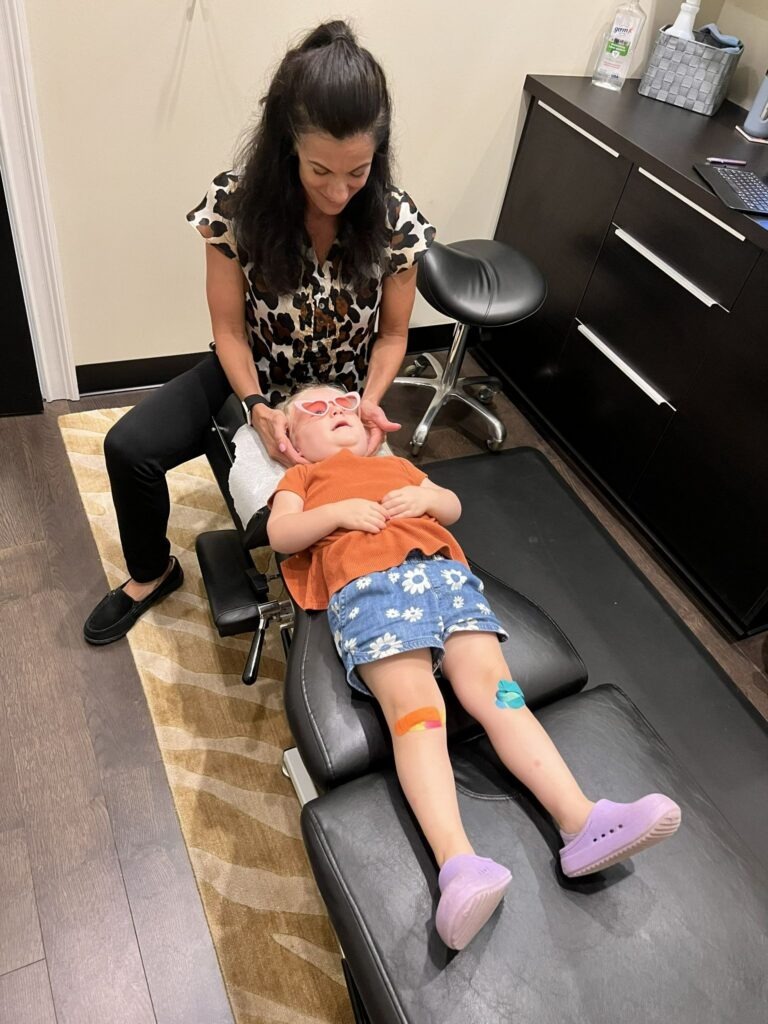

When you encounter a sports injury, the journey to recovery can seem overwhelming. But don’t worry—understanding how your body heals and embracing chiropractic care can significantly enhance your recovery experience. By prioritizing spinal alignment and personalized treatment plans, you can improve your mobility and reduce pain naturally.
Chiropractic care isn’t just about spinal adjustments; it’s a holistic approach to healing that can help you regain your strength and get back to your favorite activities. Here are some key components to consider during your recovery:
- Stay Active: Gentle movements and stretches can promote blood flow and aid in healing. Consult with your chiropractor to create a safe exercise plan tailored to your injury.
- Hydration is Key: Drinking plenty of water helps keep your body hydrated, which is essential for recovery. It helps transport nutrients and flush out toxins.
- Nutrition Matters: Fuel your body with nutrient-rich foods. Incorporate plenty of fruits, vegetables, lean proteins, and whole grains to support your healing process.
- Rest and Recovery: While it’s important to stay active, don’t underestimate the power of rest. Allow your body the time it needs to heal.
- Chiropractic Adjustments: Regular visits to your chiropractor can keep your spine aligned, reducing pain and improving function. Your chiropractor can also provide tailored advice and techniques specific to your recovery process.
Remember, recovery is a journey, and taking these steps can help you navigate it more effectively. Embrace chiropractic care as a natural and empowering way to achieve optimal health, so you can get back on the field stronger than ever!
Key Takeaways
Crack Your Way to Sports Injury Recovery
Recovering from a sports injury can feel overwhelming, but with the right approach, you can get back to doing what you love. Here are some key tips to help you on your healing journey, emphasizing the importance of chiropractic care for optimal recovery.
- Prioritize Rest: Allow your body the time it needs to heal. Rest is crucial for reducing inflammation and promoting muscle repair. Listen to your body; it knows best when it needs a break.
- Chiropractic Care: One of the best choices you can make for your recovery is to incorporate chiropractic care. Regular chiropractic adjustments help ensure your spine is properly aligned, which is vital for your overall health. A chiropractor can provide personalized treatment that targets your specific injury, supporting effective healing and pain relief.
- Gradual Rehabilitation: Once you’re ready, engage in gradual rehabilitation exercises. Focus on improving your range of motion, building strength, and enhancing balance. These exercises are essential not only for recovery but also for preventing re-injury. Your chiropractor can guide you through exercises that are safe and effective.
- Nutrient-Rich Diet and Hydration: Fuel your recovery with a nutrient-rich diet. Foods high in vitamins, minerals, and proteins support tissue repair and give you the energy you need to heal. Don’t forget to stay well-hydrated; it’s crucial for maintaining your body’s functions and speeding up recovery.
- Celebrate Progress: Acknowledge your progress, no matter how small. Celebrating these victories can keep you motivated throughout your rehabilitation journey. Remember, healing takes time, and each step forward is a step towards getting back to the activities you enjoy.
By focusing on these strategies and prioritizing chiropractic care, you can enhance your recovery from sports injuries naturally and effectively. Embrace the journey to wellness, and trust that with the right support, you’ll be back to your best self in no time!
Understanding the Healing Process
When you sustain a sports injury, understanding the healing process is essential for your recovery, and chiropractic care plays a vital role in this journey. Your body goes through several stages of healing, starting with inflammation. During this phase, you may experience pain and swelling as your body works to protect and heal the injured area. Remember, this is a natural response, and it’s crucial to be gentle with yourself.
As the inflammation decreases, your body enters the repair phase, where new tissue forms. This stage requires time and patience. While it might be tempting to push through discomfort, it’s important to listen to your body’s signals. Chiropractic adjustments can support your body during this phase by improving alignment and promoting better circulation, which can enhance healing.
Finally, the remodeling phase occurs, where your body strengthens the new tissue. This is the time to gradually reintroduce movement and activity, but take it slow. Each injury is unique, and understanding these stages can help you gauge your recovery. Incorporating chiropractic care can provide you with natural pain relief and support your body in becoming stronger and more resilient.
Here are some tips to aid your recovery:
- Stay hydrated: Water helps in the healing process by keeping tissues healthy.
- Rest and listen to your body: Give yourself adequate time to heal; rest is just as important as movement.
- Gentle stretching: Once you’re ready, incorporating gentle stretches can help maintain flexibility and support recovery.
- Regular chiropractic visits: Regular adjustments can optimize your healing process, ensuring your spine and joints are functioning well.
Importance of Rest and Recovery
Recovery isn’t just about pushing through discomfort; it greatly depends on the vital role of rest. When you’re coping with a sports injury, your body needs adequate time to heal. Neglecting rest can extend your recovery time and potentially lead to more issues. By prioritizing rest, you give your muscles and tissues the opportunity to repair effectively, which is crucial for long-term health.
Here’s a quick overview of how proper rest can benefit your recovery:
| Benefit | Description |
|---|---|
| Reduced Inflammation | Rest helps decrease swelling and pain, making you feel more comfortable. |
| Improved Circulation | Adequate rest enhances blood flow to the areas that need healing, promoting quicker recovery. |
| Muscle Repair | Rest aids in rebuilding your strength, allowing you to bounce back stronger. |
| Mental Reset | Taking time to rest gives your mind a break, which is important for overall wellness. |
| Injury Prevention | Prioritizing rest lowers the risk of re-injuring yourself, helping you stay active and healthy. |
As a chiropractor, I recommend integrating rest into your recovery plan along with regular chiropractic care. Gentle adjustments can help realign your spine and improve nerve function, enhancing your body’s natural healing abilities. Remember to listen to your body; if you’re feeling fatigued or in pain, it’s a sign that you need to take a step back and allow yourself to rest.
Here are a few tips to help you maximize your recovery:
- Set a Rest Schedule: Just like you schedule workouts, set aside specific times for rest and relaxation.
- Stay Hydrated: Drinking plenty of water supports healing and helps reduce inflammation.
- Gentle Movement: Engage in light stretches or low-impact activities as guided by your chiropractor to keep your body moving without overexerting it.
- Mindfulness Practices: Consider incorporating deep breathing or meditation to help reduce stress and promote mental clarity during your recovery.
- Listen to Your Body: Pay attention to what your body is telling you. If you’re feeling pain or discomfort, don’t hesitate to rest more.
Effective Rehabilitation Exercises
Effective rehabilitation exercises are a vital part of your recovery journey, especially when it comes to supporting your spine and overall well-being. By focusing on gentle movements, you can restore strength, flexibility, and function to areas affected by injury, all while embracing the benefits of natural healing through chiropractic care.
Here are three essential exercises to incorporate into your routine:
- Range of Motion Exercises: Start with gentle movements to improve flexibility and reduce stiffness. Simple activities like arm circles or ankle pumps can work wonders depending on your injury. Remember, these exercises can also help in maintaining spinal health by promoting better mobility.
- Strengthening Exercises: Gradually introduce bodyweight exercises to rebuild your muscle strength without the need for heavy weights or resistance machines. Bodyweight squats and resistance band exercises are excellent choices that can be tailored to your specific needs. As you strengthen your muscles, you’re not only supporting your recovery but also enhancing your spine’s stability.
- Balance and Stability Exercises: Improving your coordination and stability is crucial for overall functionality. Try activities like standing on one leg or using a balance board. These exercises not only help with balance but also promote a strong foundation for your spine, reducing the likelihood of future injuries.
General Tips:
- Always listen to your body and consult with your chiropractor before starting any new exercise routine.
- Aim for consistency rather than intensity; regular, gentle movement can lead to significant improvements over time.
- Incorporate stretching into your daily routine to maintain flexibility and support spinal health.
The Role of Physical Therapy
As you embark on your healing journey, consider the vital role chiropractic care can play in restoring your function and alleviating pain after a sports injury. A skilled chiropractor will assess your condition and create a personalized care plan tailored to your unique needs.
By focusing on spinal alignment and overall body wellness, chiropractic adjustments can help you regain strength and flexibility while minimizing the risk of re-injury.
In addition to adjustments, your chiropractor will guide you through specific exercises designed to strengthen key muscle groups and improve your range of motion. This holistic approach not only aids in your recovery but also enhances your overall athletic performance.
You’ll also learn safe movement techniques that can help prevent future injuries, allowing you to stay active and healthy.
Managing pain naturally is another advantage of chiropractic care. Techniques such as targeted spinal adjustments and soft tissue therapy can significantly ease discomfort during your recovery process without the need for medications.
Regular chiropractic sessions will keep you motivated and accountable, ensuring you stay committed to your rehabilitation.
As you progress in your healing journey, your chiropractor will continually adjust your care plan to challenge you appropriately and promote ongoing improvement.
By embracing chiropractic care, you not only expedite your recovery but also build a strong foundation for a triumphant return to your sport.
For optimal health, remember to incorporate these simple tips into your routine: maintain good posture, stay hydrated, stretch regularly, and listen to your body.
These practices can significantly enhance your well-being and support your recovery journey. Embrace the power of chiropractic care as a natural, effective way to achieve lasting pain relief and a healthier lifestyle.
Nutrition for Optimal Healing
As a local chiropractor, I want to emphasize that the right nutrition is crucial for your healing process, especially after a sports injury. A balanced diet not only supports recovery but also complements the benefits of chiropractic care in restoring your health.
By eating the right foods, you can help reduce inflammation, increase energy levels, and promote tissue repair. Here are three important nutritional elements to focus on:
- Protein: Include lean proteins such as chicken, fish, and legumes in your meals. These are vital for rebuilding muscle and tissue, which can be particularly beneficial after an injury. Protein is essential for the healing process and helps your body recover faster.
- Healthy Fats: Add sources of healthy fats like avocados, nuts, and olive oil to your diet. These fats can help reduce inflammation in your body and support the repair of cells. Healthy fats are also great for overall health, making them a smart addition to your meals.
- Vitamins and Minerals: Make it a habit to eat a variety of fruits and vegetables. Focus on those rich in vitamins C and E, as well as minerals like zinc and magnesium. These nutrients play crucial roles in the healing process and can be easily incorporated into your diet through colorful salads, smoothies, and snacks.
In addition to these nutritional tips, remember that regular chiropractic care can greatly enhance your recovery and overall well-being. Chiropractic adjustments can help align your spine, reduce pain, and improve mobility, making it easier for your body to heal naturally.
Pairing good nutrition with chiropractic care sets you on the right path to achieving optimal health and wellness. Always listen to your body and consult with your chiropractor for personalized advice on your healing journey.
Mental Strategies for Recovery
Mental recovery is just as crucial as physical healing, especially when it comes to overall wellness. As a chiropractor, I believe that combining mental strategies with chiropractic care can greatly enhance your recovery journey.
Visualization techniques can be powerful tools; picture yourself moving freely and without pain. This positive imagery reinforces your body’s healing process. Additionally, engaging in positive self-talk can significantly boost your confidence and motivation, helping you to stay focused on your recovery goals.
Remember, maintaining a healthy spine is vital for both physical and mental well-being. Regular chiropractic adjustments can help alleviate pain and tension, allowing your body to function optimally.
Incorporating these mental strategies alongside your chiropractic care won’t only aid in your recovery but also help you build resilience for the future.
Stay engaged with your wellness journey by practicing mindfulness, taking regular breaks to reduce stress, and ensuring you get plenty of rest. Together, these approaches can empower you to achieve your optimal health naturally and effectively.
Visualization Techniques
Visualization techniques can play a significant role in your recovery from a sports injury, especially when paired with chiropractic care. These techniques not only help you mentally prepare for returning to your favorite activities, but they also complement the natural healing processes activated through chiropractic adjustments.
By harnessing the power of your imagination, you can rebuild your confidence and enhance your overall performance. Here are three effective visualization techniques to incorporate into your recovery routine:
- Imagery of Success: Envision yourself executing flawless movements and achieving your goals on the field. This positive mental imagery can boost your confidence and set a strong foundation for physical recovery.
- Rehearsal of Skills: Take time to visualize each step of your training or game strategy. By mentally rehearsing these skills, you prepare both your mind and body for action, which can be particularly beneficial after a chiropractic adjustment that aligns your spine and promotes better movement.
- Relaxation Visualization: Picture a serene and calming environment where you can unwind. This technique can help reduce stress and anxiety during your recovery process, allowing your body to heal more effectively.
Remember, stress can negatively impact your spinal health, so finding ways to relax is essential.
Incorporating these visualization techniques into your daily routine, alongside regular chiropractic care, can significantly enhance your healing process and improve your overall mindset. Chiropractic adjustments not only provide pain relief but also support your body’s natural ability to recover and thrive.
Embrace these techniques, and watch as you progress on your journey to optimal health and wellness.
Positive Self-Talk
As you work through the recovery process from a sports injury, incorporating positive self-talk can significantly enhance your motivation and resilience. It’s important to foster a mindset that not only supports your healing journey but also complements the benefits of chiropractic care. By adjusting your inner dialogue, you can increase your confidence and embrace a more optimistic outlook, which is essential for recovery.
| Negative Thoughts | Positive Replacements | Benefits |
|---|---|---|
| “I’ll never get better.” | “Every day, I’m improving.” | Increases hope and determination that complements your chiropractic treatments. |
| “I’m a failure.” | “I’m learning and growing.” | Enhances self-esteem and grit, which are crucial for a successful recovery. |
| “This is too hard.” | “I can handle this challenge.” | Builds mental toughness, helping you stay committed to your chiropractic care and overall wellness. |
In addition to positive self-talk, here are some general tips to support your recovery and promote a healthier living:
- Stay Active: Engage in gentle exercises that your chiropractor recommends. This can help maintain mobility and support your healing process.
- Prioritize Rest: Ensure you’re getting enough sleep and giving your body time to recover. Rest is vital for healing and overall wellness.
- Hydrate: Drink plenty of water to support your body’s natural healing processes. Staying hydrated can also help alleviate discomfort.
- Nutrition Matters: Focus on a well-balanced diet rich in vitamins and minerals to support your recovery. Foods high in antioxidants can help reduce inflammation.
- Stay Engaged: Surround yourself with supportive friends and family who uplift you. Their encouragement can enhance your mindset and motivation.
- Communicate with Your Chiropractor: Regularly discuss your progress and any concerns you have with your chiropractor. They can provide tailored advice that suits your specific recovery needs.
Taping and Bracing Techniques
Taping and bracing techniques can be valuable tools in your journey toward recovery from sports injuries, providing essential support and stability to the affected areas.
While these methods can certainly help reduce pain and assist in your healing process, it’s important to remember that they should complement a holistic approach to wellness, like chiropractic care, which focuses on natural healing and optimal health.
Here are three key benefits of using taping and bracing in conjunction with chiropractic treatment:
- Injury Support: Taping can offer gentle compression and restrict excessive movement, helping to stabilize the injured area. However, this support is most effective when aligned with chiropractic adjustments that address the root cause of your pain.
- Pain Management: Bracing can relieve pressure on sensitive areas, making daily activities more comfortable. Pairing this with chiropractic care can enhance your overall pain management strategy and promote long-lasting relief.
- Proprioception Enhancement: Taping improves your body’s awareness of its position, which can aid in better movement patterns as you recover. This increased awareness is further enhanced by chiropractic adjustments, ensuring that your body moves optimally and reduces the risk of future injuries.
In addition to these benefits, here are some general tips to support your recovery:
- Stay Active: Engage in gentle exercises recommended by your chiropractor to maintain strength and flexibility.
- Listen to Your Body: Pay attention to any signs of discomfort and communicate them with your chiropractor to adjust your treatment plan accordingly.
- Rest and Recover: Allow your body time to heal, but don’t forget to incorporate movement as guided by your health professional.
By integrating taping and bracing techniques with chiropractic care, you can create a comprehensive approach to recovery that emphasizes natural healing and overall wellness.
Gradual Return to Sports
As you prepare to return to sports after an injury, it’s crucial to assess your progress with care. One of the best ways to ensure a smooth transition is through chiropractic care, which focuses on natural healing and optimizing your body’s function.
A structured training plan, combined with regular chiropractic adjustments, can help you regain strength and flexibility while minimizing the risk of re-injury. Chiropractors can help identify any imbalances or misalignments in your spine that may be contributing to pain or limiting your mobility.
By addressing these issues, you can enhance your overall performance and wellness. Here are some general tips to help you ease back into your routine safely and effectively:
- Listen to Your Body: Pay attention to any discomfort or pain signals your body may be sending. If something doesn’t feel right, it’s important to consult with your chiropractor.
- Incorporate Stretching: Gentle stretching can improve flexibility and reduce muscle tension. Consider incorporating stretches that target the areas affected by your injury.
- Strengthening Exercises: Focus on low-impact exercises that gradually build strength without stressing your injury site. Your chiropractor can recommend specific exercises tailored to your needs.
- Stay Hydrated: Proper hydration supports muscle recovery and overall health. Ensure you’re drinking enough water throughout the day, especially before and after workouts.
- Regular Chiropractic Visits: Make chiropractic care a part of your recovery plan. Regular adjustments can help maintain spinal alignment, enhance your body’s natural healing process, and improve your athletic performance.
- Mindful Movement: Be conscious of your movements when returning to your sport. Start with lighter activities and gradually increase intensity as you feel more comfortable.
By embracing chiropractic care and these healthy habits, you can support your body’s natural healing abilities and enjoy a successful return to sports.
Assessing Injury Progress
How can you effectively gauge your progress during recovery from a sports injury? It’s essential to monitor specific indicators that reflect your healing journey. Here are three key aspects to focus on, all of which can be enhanced through chiropractic care:
- Pain Levels: Pay attention to any pain or discomfort you experience during activities. A decrease in pain is often a sign that your body is healing. Chiropractic adjustments can help alleviate pain naturally by promoting proper alignment and function of the spine and nervous system.
- Range of Motion: Keep track of your flexibility and mobility. Improved movement is a positive indicator that your injury is on the mend. Regular chiropractic care can help restore your range of motion by addressing any misalignments and tension in the muscles surrounding your injury.
- Strength and Stability: Gradually test your strength through gentle exercises. If you notice that you can perform movements with greater stability and confidence, you’re likely making progress. Chiropractic adjustments can enhance your body’s overall strength and stability by ensuring that your spine is properly aligned, allowing your muscles to work more effectively.
In addition to these indicators, here are a few general tips to aid your recovery:
- Stay Active: Engage in low-impact activities that promote circulation and healing, such as walking or swimming. Always consult your chiropractor for personalized exercise recommendations.
- Listen to Your Body: Rest when needed and avoid pushing through pain. Your body knows best when it comes to healing.
- Stay Hydrated: Drinking plenty of water supports overall health and can aid in the recovery process.
Structured Training Plan
Recovering from an injury and returning to your sport requires careful planning, and as a chiropractor, I want to emphasize the importance of a structured training plan that aligns with chiropractic principles. This approach not only focuses on physical activity but also prioritizes spinal health and overall wellness.
To safely transition back to your sport after an injury, consider the following guidelines:
- Listen to Your Body: Pay attention to how your body feels during each phase of recovery. If you experience pain, it’s a sign that you may need to adjust your activity level.
- Incorporate Chiropractic Care: Regular visits to a chiropractor can aid in your recovery. Chiropractic adjustments help improve mobility, reduce pain, and enhance your body’s natural healing abilities.
- Start Slow: Begin with low-impact exercises that promote flexibility and strength without putting excessive strain on your body.
Here’s a simple outline to help you return to your sport safely while keeping your spine and overall health in mind:
| Week | Activity Level |
|---|---|
| Week 1 | Gentle stretching and walking to promote circulation and flexibility |
| Week 2 | Low-intensity cycling to strengthen your legs without heavy impact |
| Week 3 | Moderate strength training focusing on core stability and spinal support |
| Week 4 | Sport-specific drills to gradually incorporate the movements of your sport |
| Week 5 | Full practice sessions while maintaining awareness of your body’s signals |
Additional Tips:
- Stay hydrated and maintain a balanced diet to support your recovery process.
- Focus on proper posture during all exercises to protect your spine.
- Consider adding yoga or Pilates to your routine for enhanced flexibility and core strength.
Preventing Future Injuries
Recovering from a sports injury is crucial, but equally important is taking proactive steps to prevent future injuries. You want to stay active and healthy, and chiropractic care can play a significant role in that journey. Here are some key strategies to consider:
- Strengthen Your Body with Chiropractic Support: Incorporating strength training into your routine is essential. Chiropractic care can help optimize your muscle function and alignment, making your strength training more effective. Strong muscles support your joints, reducing the risk of injuries.
- Prioritize Flexibility through Chiropractic Techniques: Regular stretching is vital for maintaining flexibility. Chiropractic adjustments can enhance your range of motion and overall mobility, which not only improves your athletic performance but also helps prevent muscle strains.
- Listen to Your Body with Chiropractic Guidance: Always pay attention to signals your body is sending you. If you experience discomfort or pain, consulting with your chiropractor can help identify the root cause and provide natural solutions. Ignoring these signs can lead to more serious injuries, but chiropractic care can assist in addressing issues before they escalate.
By focusing on these strategies and utilizing the benefits of chiropractic care, you can promote natural healing and achieve optimal health, reducing your chances of future injuries.
Celebrating Your Comeback
Celebrating Your Comeback: The Chiropractic Way
After putting in the hard work to recover from your injury, it’s time to celebrate your comeback and embrace the progress you’ve made. Acknowledge the dedication you’ve shown through therapy sessions, rest, and perseverance. Each small step back to your sport is a victory worth recognizing.
As you celebrate, consider how chiropractic care has played a vital role in your recovery. Regular adjustments not only help alleviate pain but also promote overall wellness, aiding your body in healing naturally. By maintaining proper spinal alignment, you can enhance your mobility and prevent future injuries.
Think about organizing a small get-together with friends or teammates. Share your journey, the challenges you’ve faced, and the victories you’ve achieved along the way. This isn’t just a personal win; it’s a chance to inspire others about the benefits of chiropractic care in their recovery.
Don’t forget to set new goals. Reflect on what you’ve learned during your healing process and how chiropractic care has shaped your approach to sports and health. Celebrate not just the return to your activity, but also the stronger, more resilient athlete you’ve become.
Lastly, reward yourself in a way that supports your health. Whether it’s investing in new gear or taking a day off to enjoy your favorite activities, make sure your choices reflect your commitment to wellness.
You’ve earned every bit of this celebration, and remember, chiropractic care can help you maintain that momentum for a healthier, pain-free future!