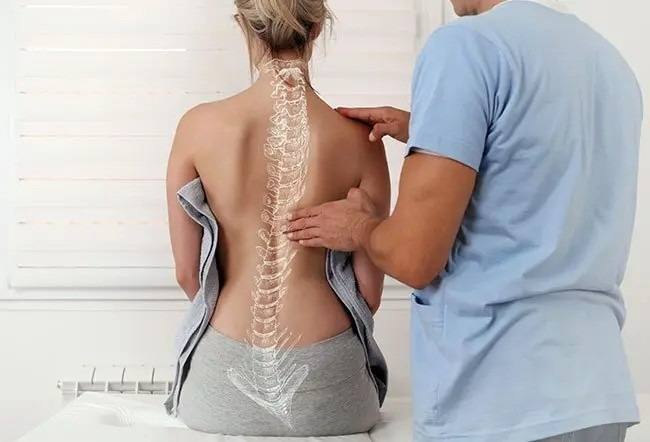

As a local Chiropractor, I want to share some valuable insights on enhancing your flexibility, an essential component of overall wellness and injury prevention. Many patients may not realize how crucial flexibility is to maintaining a healthy body. By integrating various techniques into your routine, you can gradually improve your range of motion and overall physical health.
From dynamic stretching to mindful breathing exercises, each method provides unique advantages that can support your flexibility journey. If you’re wondering how to effectively combine these approaches in a way that complements chiropractic care, I’m here to guide you. Let’s delve into some authentic ways to enhance your flexibility and promote natural healing in your body.
Dynamic Stretching Techniques
As a local chiropractor, I want to emphasize the importance of dynamic stretching techniques in preparing your body for physical activity.
These movements aren’t just about flexibility; they play a crucial role in enhancing your overall physical well-being. By incorporating dynamic stretches into your routine, you can increase your range of motion, boost blood circulation, and activate your muscles effectively.
Let’s start with a simple exercise: leg swings. Stand on one leg and swing the other leg back and forth. This not only warms up your hip flexors and hamstrings but also promotes joint mobility, which is vital for maintaining a healthy spine and overall function.
Next, I recommend including walking lunges in your warm-up. As you step forward into a lunge and alternate legs, you’ll engage your quadriceps and glutes, while also improving balance. This is particularly beneficial for maintaining stability and preventing injuries.
Don’t overlook the benefits of arm circles, either! Extend your arms out to the side and make small circles to warm up your shoulders. This helps to prepare your upper body for movement and can alleviate tension in the neck and upper back.
It’s important to remember that your movements should be controlled and fluid. You should feel a gentle stretch without any pain.
Incorporating these dynamic stretches before your workouts or sports activities can significantly enhance your flexibility and reduce the risk of injury. By taking these proactive steps, you’re not only preparing your muscles and joints but also setting yourself up for success in your physical endeavors and supporting your journey toward natural healing.
Incorporating Yoga Into Your Routine
Incorporating yoga into your routine can significantly enhance the benefits of chiropractic care by improving flexibility and fostering relaxation.
As a chiropractor, I often emphasize the importance of holistic approaches to wellness, which includes not only physical adjustments but also practices that nurture your mental and emotional health.
Here’s how you can seamlessly integrate yoga into your daily life for optimal benefits:
- Start with simple poses: As a beginner, I recommend starting with foundational poses such as Downward Dog or Child’s Pose. These gentle stretches can help ease tension in your body and complement the adjustments you receive in the clinic.
- Set specific times: Consistency is key. Try to set aside dedicated times during your week for yoga sessions. Whether it’s a morning ritual to awaken your body or an evening practice to unwind, establishing a routine can enhance the overall effectiveness of your chiropractic care.
- Combine with breathwork: Pay close attention to your breathing as you move through the poses. This practice not only allows for deeper stretches but also promotes a greater sense of calm, which is essential for maintaining the benefits of your chiropractic adjustments.
The Benefits of Foam Rolling
As a local chiropractor, I want to highlight the incredible benefits of foam rolling for your muscle recovery.
Incorporating a foam roller into your routine can significantly enhance blood circulation, which in turn helps to alleviate soreness and stiffness in your muscles.
Many of my patients have reported noticeable improvements in their flexibility and overall performance after adding foam rolling to their post-exercise regimen.
It’s a simple yet effective tool that can play a vital role in your recovery and overall well-being.
I encourage you to consider foam rolling as an essential part of your self-care routine for optimal health.
Improves Muscle Recovery
As a local chiropractor, I want to emphasize the importance of muscle recovery in achieving optimal performance, especially after pushing your limits during workouts.
One effective method I often recommend is foam rolling, which can significantly enhance your recovery process and help you return to your activities even stronger.
Here are some key benefits you can expect by incorporating foam rolling into your routine:
- Reduced muscle soreness: Foam rolling can effectively alleviate tightness and discomfort that often follows intense exercise, making it easier for you to stay active.
- Improved flexibility: By regularly using a foam roller, you can enhance your range of motion, which not only improves your overall performance but also reduces the risk of injury in future workouts.
- Faster recovery times: Foam rolling helps break down knots and tension in your muscles, promoting quicker healing and allowing you to get back to your fitness goals sooner.
Remember, muscle recovery is just as crucial as the workouts themselves, and integrating foam rolling into your routine can lead to better overall health and well-being.
If you have any questions about how to incorporate this into your care plan, feel free to reach out!
Increases Blood Circulation
As a local chiropractor, I want to share the benefits of incorporating foam rolling into your wellness routine. When you take the time to use a foam roller, you’re not just relieving muscle tension; you’re actively enhancing blood circulation throughout your body.
This boost in blood flow is vital because it delivers essential nutrients and oxygen to your muscles, which promotes healing and overall health.
As you gently roll over tight areas, you stimulate your vascular system, helping to eliminate metabolic waste and reduce soreness. This improved circulation can lead to better performance during workouts and quicker recovery afterward.
By integrating foam rolling into your regimen, you’re effectively preparing your muscles for flexibility training, making it easier to stretch and move freely.
I encourage you to grab a foam roller and start rolling; your body will thank you with enhanced circulation and greater flexibility.
Static Stretching for Improved Flexibility
As a local chiropractor, I want to emphasize the importance of static stretching in improving your flexibility and overall physical performance. Engaging in regular static stretching can offer numerous benefits, including increased range of motion, reduced muscle tension, and enhanced recovery after physical activities.
Incorporating effective stretching techniques into your routine can make a significant difference in how your body feels and functions. I encourage you to explore various stretches that target different muscle groups, ensuring a balanced approach to flexibility.
Additionally, it’s vital to prioritize safety while stretching. Proper techniques can help you stretch effectively and minimize the risk of injury. Remember to listen to your body, avoid bouncing movements, and hold each stretch for a duration that feels comfortable.
By integrating static stretching into your lifestyle, you not only support your flexibility but also contribute to your overall well-being and a healthier, more active life.
If you have any questions or need guidance on stretching techniques, feel free to reach out. Your journey to better health is important to us!
Benefits of Static Stretching
As a local chiropractor, I want to emphasize the importance of static stretching for your overall health and wellness. One of the most significant benefits of static stretching is improved flexibility, which is essential not only for athletes but for anyone looking to enhance their mobility and well-being.
By holding stretches for a longer duration, you allow your muscles to relax and elongate, leading to greater freedom of movement. Here are some key benefits you can expect from incorporating static stretching into your routine:
- Injury Prevention: Regularly practicing static stretching can help reduce muscle tension, which in turn lowers your risk of experiencing strains and sprains. By keeping your muscles flexible, you’re better equipped to handle the demands of daily activities.
- Better Posture: Many of us carry tension in certain muscle groups, which can lead to poor alignment. Stretching these tight muscles can promote better posture, helping you stand taller and feel more balanced.
- Enhanced Recovery: After a workout or a long day of activity, your muscles may feel sore and stiff. Static stretching can play a crucial role in muscle recovery by alleviating discomfort and promoting relaxation, allowing you to bounce back more quickly.
Incorporating static stretching into your routine can be a valuable step towards maintaining a healthy, active lifestyle.
If you have any questions or need guidance on how to implement these stretches effectively, feel free to reach out during your next visit!
Best Static Stretching Techniques
As a local chiropractor dedicated to promoting natural healing and overall well-being, I want to share some valuable insights on static stretching techniques that can enhance your flexibility and support your body’s health.
Let’s start with a fundamental stretch for the hamstrings. You can do this by sitting on the floor, extending one leg out in front of you, and gently reaching towards your toes while ensuring your back remains straight. This stretch not only targets your hamstrings but also helps in maintaining proper spinal alignment.
Next, consider the quadriceps stretch. Stand on one leg, and gently pull your other foot towards your glutes. This stretch is excellent for releasing tension in your thigh muscles and can improve your overall mobility.
Another effective stretch is the butterfly stretch. Sit with the soles of your feet together and allow your knees to fall gently towards the ground. This stretch opens up your hips, which is crucial for maintaining balance and stability in your daily activities.
Don’t forget about the seated forward bend! This stretch is great for elongating your spine and hamstrings. Sit with your legs extended in front of you and slowly reach towards your feet. This won’t only help with flexibility but also promote a relaxed state.
Lastly, the shoulder stretch is vital for releasing tension in your upper body. Pull one arm across your body and hold it with your opposite hand. This simple action can alleviate tightness in your shoulders and improve your range of motion.
For optimal results, aim to hold each stretch for 20-30 seconds. Incorporating these techniques into your routine can greatly enhance your flexibility and contribute to your overall health.
Safety Tips for Stretching
As a chiropractor dedicated to your well-being, I want to emphasize the importance of safe stretching in your routine, especially if you’re new to chiropractic care and natural healing.
Stretching can significantly enhance your flexibility and overall health when done correctly. Here are some vital tips to keep in mind:
- Warm up your body: Before diving into stretching, take 5-10 minutes for light cardio. This will help prepare your muscles and joints, making your stretching more effective and safe.
- Tune in to your body: It’s crucial to listen to what your body is telling you. If you experience any pain while stretching, it’s a signal to ease off. Stretching should create a gentle sensation, not discomfort. Remember, your body is unique, and respecting its limits is key to avoiding injuries.
- Hold your stretches properly: For optimal benefits, aim to hold each stretch for 15-30 seconds. During this time, focus on deep breathing to help relax your muscles and enhance the effectiveness of the stretch.
By incorporating these safety tips into your stretching routine, you’ll be better equipped to support your body’s natural healing process and improve your flexibility.
If you have any questions or need personalized advice, don’t hesitate to reach out during your next visit!
Mindful Breathing Exercises
As a chiropractor, I often emphasize the importance of mindful breathing exercises for enhancing both physical and mental flexibility. When you focus on your breath, you foster a deeper connection between your mind and body, which can help alleviate tension and improve your overall flexibility.
To get started, find a comfortable position—whether seated or lying down—and close your eyes. Take a deep breath in through your nose, allowing your abdomen to expand fully. Hold that breath for a moment, then exhale slowly through your mouth, consciously releasing any stress.
While you breathe, visualize each muscle in your body relaxing and lengthening with every exhale. Aim to maintain a steady rhythm: inhale for a count of four, hold for a count of four, and exhale for a count of six.
This practice not only calms your mind but also prepares your body for deeper stretches, making it easier to enhance your flexibility over time. I encourage you to make this a daily habit, as consistency is key to achieving lasting results in your wellness journey.
Incorporating mindful breathing into your routine can significantly complement the benefits of chiropractic care and natural healing.
Utilizing Resistance Bands
As a chiropractor, I often emphasize the importance of flexibility and overall body health in my practice. One fantastic tool for enhancing flexibility is resistance bands.
These bands not only help in strengthening your muscles but also promote better mobility when used with the right techniques.
Incorporating resistance band exercises into your routine can significantly improve your flexibility and support your body’s natural healing processes.
It’s essential to focus on proper form and technique to ensure safety during your workouts and to maximize the benefits.
I encourage you to explore some effective resistance band exercises that can complement your chiropractic care and help you on your journey to better health.
Band Exercises for Flexibility
As a local chiropractor, I want to share how incorporating band exercises into your flexibility routine can significantly enhance your range of motion and overall mobility.
Resistance bands are a fantastic tool for stretching and strengthening your muscles simultaneously, which is essential for maintaining a healthy body.
Here are three effective band exercises that I recommend for improving flexibility:
- Seated Band Hamstring Stretch: Find a comfortable spot on the floor and extend your legs in front of you. Wrap the band around the soles of your feet and gently pull it towards you. This motion will help you feel a beneficial stretch in your hamstrings, promoting better flexibility.
- Standing Quad Stretch: Stand upright and loop the band around your ankle. Carefully pull your foot towards your glutes. This stretch targets your quadriceps, helping to relieve tension and improve mobility in your legs.
- Chest Opener: Hold the band behind your back with both hands and gently pull it away from your body. This exercise stretches your chest and shoulders, which can help alleviate tightness and improve posture.
Incorporating these band exercises into your routine can significantly improve your flexibility and support your overall well-being.
If you’re interested in learning more about how chiropractic care and natural healing can enhance your health, feel free to reach out!
Proper Band Techniques
As a local chiropractor, I want to share some valuable insights on using resistance bands to enhance your flexibility training and overall wellness.
First and foremost, it’s essential to choose the right band strength—if you’re new to this practice, lighter bands are an excellent starting point. Securely anchor the band to a stable object or hold it firmly in your hands to ensure safety during your stretches.
When you engage in flexibility exercises with resistance bands, it’s crucial to ensure that the band provides consistent tension without compromising your form. This helps to protect your joints and muscles while maximizing the benefits of each stretch.
Remember to move slowly and with control; this approach allows your muscles to adapt and lengthen safely. Incorporating deep breathing into your routine can significantly enhance relaxation and improve the effectiveness of your stretches.
I also recommend mixing dynamic and static stretches to create a well-rounded flexibility regimen. Focus on fully engaging the targeted muscle groups and hold each stretch for at least 15-30 seconds for optimal results.
By consistently implementing these techniques, you can experience improved flexibility and overall physical health. These practices not only aid in your flexibility journey but also contribute to your body’s natural healing processes.
If you have any questions or would like personalized guidance, feel free to reach out during your next visit!
Safety Tips When Using
As a local chiropractor dedicated to promoting natural healing and overall wellness, I want to emphasize the importance of safety when using resistance bands for flexibility training.
While these bands can greatly enhance your workouts, it’s essential to prioritize safety to avoid injuries. Here are some valuable tips to keep in mind:
– Inspect Your Bands: Before using resistance bands, take a moment to check for any signs of wear or damage. A frayed band could snap during your exercises, which can lead to serious injuries.
Ensuring your equipment is in good condition is key to a safe workout.
– Secure Your Anchor Points: Make sure that your resistance bands are properly anchored. Loose or unstable anchors can cause the bands to slip during use, which may compromise your control and lead to accidents.
A secure setup is crucial for maintaining safety while exercising.
– Use Proper Form: Maintaining correct posture and alignment is vital when using resistance bands. Poor form can place unnecessary strain on your muscles and joints, potentially resulting in injury.
Focus on executing each movement with precision to promote not only effectiveness but also safety.
By following these safety tips, you can enjoy the benefits of resistance bands while minimizing the risk of injury.
Active Isolated Stretching
As a local chiropractor, I want to introduce you to a remarkable technique called Active Isolated Stretching (AIS). This method is designed to enhance your flexibility and boost your athletic performance in a way that’s gentle on your body.
Unlike traditional static stretching, which often involves holding a position for an extended time, AIS focuses on quick, controlled stretches that promote relaxation and lengthening of your muscles without activating a protective reflex.
To begin incorporating AIS into your routine, select a specific muscle group that you wish to target. Take a deep breath, and as you inhale, gently guide the muscle into a stretch. You’ll only hold this position for about two seconds before releasing.
This brief hold allows your muscles to adapt and gradually loosen up. Repeat this process several times, and you’ll notice improvements in your flexibility and overall movement.
As we explore natural healing methods together, I believe AIS can be a valuable addition to your wellness journey. It’s a great way to support your body’s natural ability to heal and maintain balance.
Pilates for Flexibility
As a chiropractor, I often emphasize the importance of incorporating Pilates into your wellness routine, particularly for enhancing flexibility and promoting overall body awareness. This mind-body practice focuses on controlled movements and proper alignment, making it a fantastic addition to your flexibility training.
Here are three key benefits of Pilates that I encourage my patients to consider for improved flexibility:
- Strengthens Core Muscles: A strong core is essential for supporting your spine and improving your posture. This, in turn, allows you to achieve more efficient and deeper stretches, which can alleviate tension and discomfort in the body.
- Promotes Mindfulness: Pilates encourages you to focus on your breath and movement, helping you become more aware of your body’s needs. This increased body awareness can lead to gradual improvements in flexibility over time, making it easier for you to engage in daily activities without strain.
- Increases Range of Motion: Many Pilates exercises specifically target various muscle groups, helping to gradually enhance your flexibility while reducing muscle tension. This can be particularly beneficial when combined with chiropractic adjustments, as it promotes a more balanced and aligned body.
Incorporating Pilates into your routine not only enhances flexibility but also supports overall health and well-being.
If you’re looking to improve your flexibility and body awareness, consider adding Pilates alongside your chiropractic care.
The Role of Hydration in Flexibility
As a local chiropractor, I want to emphasize the significant role hydration plays in enhancing your flexibility and overall well-being.
Proper hydration is crucial because it directly impacts the elasticity of your muscles and connective tissues. When your body is well-hydrated, your muscles can stretch more easily, which helps reduce the risk of injury during physical activities or chiropractic adjustments. Conversely, dehydration can lead to muscle stiffness and cramping, making it more challenging for you to achieve optimal flexibility.
To support your flexibility and overall health, I recommend drinking water consistently throughout the day, particularly before and after your stretching routines or exercises.
Additionally, incorporating hydrating foods such as fruits and vegetables into your diet can be beneficial. Remember to listen to your body; if you feel thirsty or fatigued, it’s a clear sign that you need to increase your water intake.
Staying properly hydrated not only aids in maintaining flexibility but also supports your body in its natural healing processes.
Consistency and Goal Setting for Flexibility Improvement
As a local chiropractor, I often see patients become discouraged by the slow progress they experience when working on improving their flexibility.
However, I want to emphasize that consistency and goal setting are vital components of this journey. Establishing a routine and setting realistic goals can significantly enhance your motivation and focus.
Here are some helpful tips to keep you on the right track:
- Set SMART Goals: It’s important to make your goals Specific, Measurable, Achievable, Relevant, and Time-bound. For example, if your aim is to touch your toes, set a goal to achieve this milestone within a month. This clarity can help you stay committed.
- Create a Schedule: Designate specific days and times for your flexibility training. Just like any other aspect of health and wellness, consistency is key. By sticking to a routine, you’ll start to see the results you’re looking for over time.
- Track Your Progress: Consider keeping a journal or using a mobile app to log your stretching exercises and any improvements you notice. This not only helps in maintaining your motivation but also allows you to celebrate the small wins along the way, reinforcing your commitment to flexibility enhancement.