
Chiropractic Care · November 6, 2026
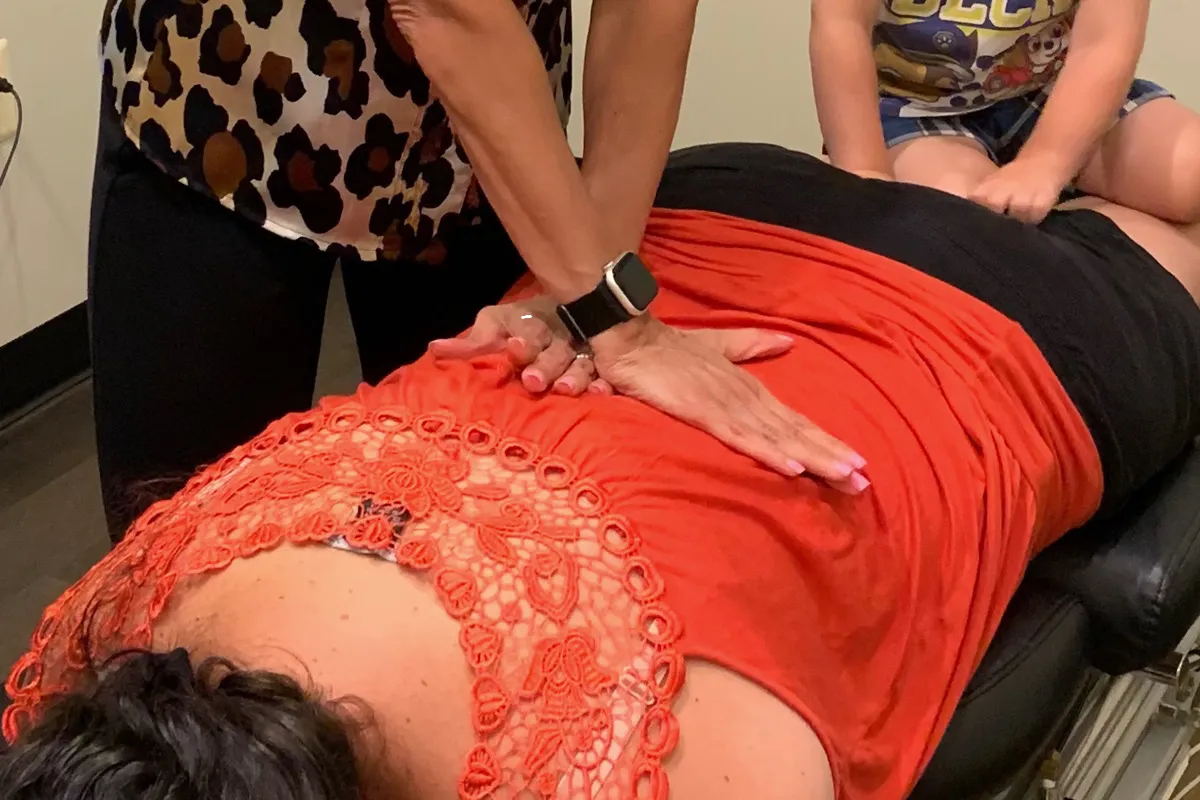
Arm pain that lingers for days, weeks, or even months can be one of the most frustrating things to deal with. You stretch it, rest it, maybe slap on an ice pack — and still, that ache, numbness, or sharp twinge keeps coming back. If this sounds familiar, you are not alone. Here in Fredericksburg, VA, many of the patients who walk through the doors at Wilderness Family Chiropractic share exactly this experience. The good news? Persistent arm pain almost always has an underlying cause that can be identified, and once you understand what is actually driving it, real relief becomes a lot more possible.
What is arm pain, exactly? Arm pain refers to any discomfort, aching, numbness, tingling, weakness, or sharp sensation felt anywhere from the shoulder down to the fingertips. While it sometimes originates in the arm itself, it is surprisingly common for arm pain to be caused by issues in the neck, upper back, or shoulder — areas that most people never think to connect to their symptoms.
Reason #1: Your Neck Is the Real Culprit
This is probably the most common surprise for patients. You feel pain in your arm, so naturally you focus on the arm. But the nerves that supply feeling and movement to your entire arm actually originate in your cervical spine — the part of your neck made up of seven vertebrae. When one of those vertebrae is misaligned, or when a disc between them bulges or becomes compressed, it can irritate or compress a nerve root. That nerve then sends pain, tingling, or numbness all the way down the arm, sometimes as far as the fingers.
This is called cervical radiculopathy, and it is far more common than most people realize. The tricky part is that the neck itself may feel totally fine. No obvious stiffness, no soreness — just unexplained arm discomfort that never seems to resolve. At Wilderness Family Chiropractic, Dr. Christine Stewart is trained to evaluate the entire spine, including the cervical region, when patients present with arm symptoms. Treating the neck, not just the arm, is often what finally turns things around.
Reason #2: Your Shoulder Joint Is Quietly Dysfunctional
The shoulder is one of the most mobile joints in the human body, and that mobility comes at the cost of stability. When the muscles, tendons, and ligaments surrounding the shoulder are not working in proper coordination, the whole joint can begin to function poorly without causing dramatic pain right away. Rotator cuff issues, frozen shoulder (adhesive capsulitis), or even subtle shoulder instability can all generate pain that radiates down the arm.
Many patients in Fredericksburg come in thinking they have “elbow problems” or “forearm tightness,” only to discover that the shoulder is where the dysfunction began. Because the shoulder and arm work together in almost every upper-body movement, a joint that is restricted or inflamed will quietly force the surrounding muscles and tissues to compensate, and those compensating structures are often what you actually feel hurting.
Reason #3: Thoracic Outlet Syndrome Is Often Overlooked
Between your collarbone and your first rib sits a narrow passageway called the thoracic outlet. Blood vessels and nerves pass through this tight space on their way to your arm. When that space becomes compressed — due to poor posture, tight scalene muscles in the neck, or a structural variation — it can cause a frustrating combination of arm pain, numbness, tingling, and even coldness or discoloration in the hand.
Thoracic outlet syndrome (TOS) is frequently missed, partly because its symptoms mimic so many other conditions. It is worth mentioning to a conservative care provider, especially if your arm symptoms seem to worsen when you raise your arms overhead or carry something heavy. Dr. Christine Stewart and the team at Wilderness Family Chiropractic take a thorough history and physical assessment precisely to catch patterns like these that might otherwise go unaddressed for years.
Reason #4: Repetitive Strain Has Built Up Over Time
Modern life involves a lot of repetition. Typing, scrolling, gripping a steering wheel, clicking a mouse, lifting at work. Your arms perform the same motions thousands of times per day. Over time, this can lead to cumulative strain on tendons, muscles, and nerves. Conditions like lateral epicondylitis (tennis elbow), medial epicondylitis (golfer’s elbow), and carpal tunnel syndrome all fall into this category.
What makes repetitive strain injuries so stubborn is that people rarely stop doing the activity that caused them. Even with rest, if you return to the same movement pattern without correcting the underlying biomechanics, the injury cycle continues. This is why arm pain from repetitive strain often feels like it heals briefly, then comes right back. Getting to the root of how you move — and addressing any related spinal or joint dysfunction that may be contributing — is essential for lasting improvement.
Reason #5: Your Posture Is Making Things Worse
Forward head posture, rounded shoulders, and a slumped mid-back are incredibly common, especially in an age where so many of us spend hours at a desk or looking down at a phone. These postural patterns do not just affect how you look. They dramatically change the mechanical load on your neck, upper back, and shoulders. Muscles that are chronically shortened or overstretched begin to develop trigger points, and nerves can become entrapped or irritated simply by the way your body is positioned for most of the day.
Here in Fredericksburg, VA, Wilderness Family Chiropractic sees a significant number of patients whose arm pain is directly connected to postural dysfunction. The arm itself may be perfectly healthy. But because of how the spine and shoulder girdle are positioned, nerves and soft tissues are under constant, low-grade mechanical stress. Correcting posture is rarely a quick fix — it takes time and consistent effort — but it is one of the most important long-term strategies for eliminating chronic arm pain.
Reason #6: Inflammation Is Keeping the Pain Cycle Going
Even when the original cause of arm pain has been partially addressed, inflammation can keep the pain alive. Chronic low-grade inflammation in tendons, bursa (fluid-filled sacs that cushion joints), or nerve sheaths can perpetuate a pain cycle that feels like it never fully resolves. Lifestyle factors, including poor sleep, a diet high in processed foods, chronic stress, and limited movement, are known to contribute to systemic inflammation that makes musculoskeletal recovery much slower.
This is something that chiropractic care alone cannot fully address, which is why Dr. Christine Stewart often takes time to discuss lifestyle and overall wellness alongside structural treatment. Your body heals best when it has the right environment — good movement, adequate rest, and reduced inflammatory load. Addressing all of these together is what gives patients the best chance at real, lasting relief.
How Chiropractic Care Fits Into Arm Pain Relief
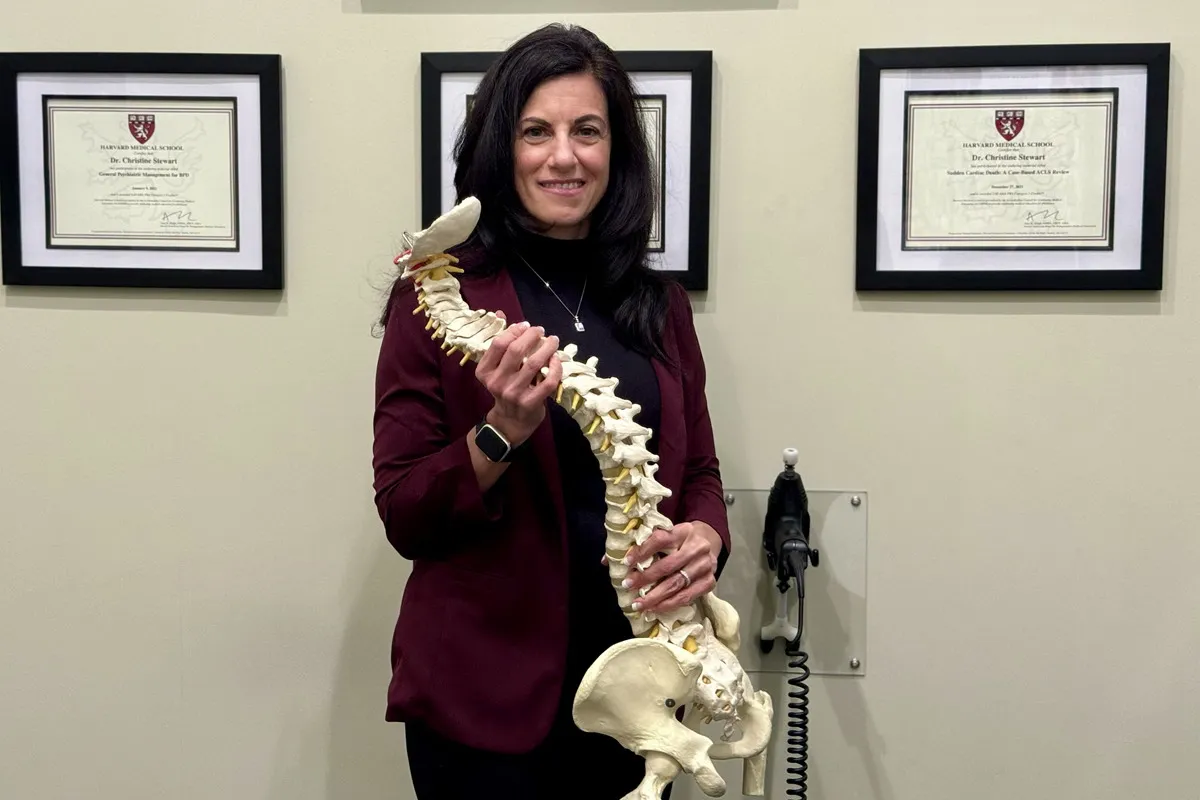
Chiropractic care takes a non-invasive, drug-free approach to evaluating and supporting the musculoskeletal and nervous system. When it comes to arm pain specifically, chiropractic assessment goes well beyond just looking at the arm. The entire cervical spine, thoracic spine, and shoulder complex are evaluated to understand where dysfunction may be originating.
Spinal adjustments are one of the primary tools used to restore proper alignment and motion to the vertebrae, which can reduce nerve irritation and improve overall biomechanics. Research from sources like the National Center for Complementary and Integrative Health (NCCIH) suggests that spinal manipulation is a reasonable conservative approach for musculoskeletal pain, particularly when nerve involvement is suspected. At Wilderness Family Chiropractic in Fredericksburg, care is individualized. What works for one patient may look very different from another’s plan, because the underlying causes of arm pain vary so much from person to person.
Soft tissue techniques, therapeutic exercises, and postural coaching may also be part of care, depending on what your assessment reveals. The goal is always to address the root cause, not just mask the symptom.
Practical Tips to Support Arm Pain Recovery
While professional care is an important piece of the puzzle, there are meaningful steps you can take at home to support your recovery and reduce the likelihood of pain returning.
First, take a close look at your workstation setup. Your monitor should be at eye level, your elbows should rest at roughly a 90-degree angle when typing, and your wrists should not be bent or angled while using a keyboard or mouse. Small ergonomic adjustments can significantly reduce the cumulative strain on your arms and neck throughout the day.
Second, be mindful of how you carry your phone. Extended periods of looking down at a screen — sometimes called “tech neck” — add enormous mechanical stress to the cervical spine, which directly impacts nerve health in the arm. Try holding your phone higher and taking regular breaks from screen use.
Third, keep your upper body moving. Gentle range-of-motion exercises for the neck and shoulders, done consistently, help maintain joint mobility and prevent the stiffness that contributes to nerve compression. Ask your chiropractor which movements are appropriate for your specific situation before starting any new exercise routine.
When to See a Chiropractor — and When to Seek Emergency Care
Arm pain that has lasted more than a few weeks without improvement, or that began after a specific injury or sudden movement, is a good reason to schedule an evaluation. You should also consider seeking chiropractic care if your arm pain is accompanied by neck stiffness, headaches, shoulder tightness, or any numbness or tingling that runs into the hand or fingers. These patterns often point to a spinal or nerve-related cause that responds well to conservative chiropractic care.
However, some symptoms require immediate medical attention. Seek emergency care right away if your arm pain is accompanied by chest pain, shortness of breath, or jaw pain, as these can be signs of a cardiac event. Sudden severe weakness, loss of coordination, or arm pain following significant trauma also warrant urgent evaluation. A responsible chiropractor will always refer out when a condition falls outside the scope of conservative care.
Common Arm Pain Trigger | Likely Origin | Common Symptoms | Conservative Care Approach |
|---|---|---|---|
Cervical disc compression | Neck (cervical spine) | Radiating pain, tingling, numbness into arm/hand | Spinal adjustment, decompression techniques, postural correction |
Rotator cuff dysfunction | Shoulder joint | Aching upper arm, pain with lifting or reaching | Soft tissue work, shoulder mobility exercises, joint mobilization |
Thoracic outlet syndrome | Collarbone/rib passageway | Numbness, tingling, cold hand, arm fatigue | Postural correction, scalene muscle release, spinal care |
Repetitive strain (tennis/golfer’s elbow) | Elbow tendons | Localized elbow pain, grip weakness | Activity modification, soft tissue therapy, biomechanical assessment |
Poor posture (forward head/rounded shoulders) | Cervical and thoracic spine | Diffuse arm aching, neck stiffness, shoulder tightness | Postural retraining, spinal adjustments, ergonomic guidance |
Myths vs. Facts About Persistent Arm Pain
Myth: If it’s arm pain, the problem must be in the arm.
Fact: Many cases of arm pain originate in the cervical spine or shoulder complex, not in the arm itself. Nerves from the neck travel the entire length of the arm, meaning spinal dysfunction can produce symptoms you feel far from the actual source. Treating only the arm without evaluating the spine often leads to incomplete recovery.
Myth: Rest is always the best treatment for arm pain.
Fact: While rest is important immediately after an acute injury, prolonged rest can actually slow healing and allow muscles and joints to stiffen further. Evidence in conservative care supports gentle, guided movement as a key component of recovery for most musculoskeletal arm conditions.
Myth: Arm pain that comes and goes isn’t serious enough to treat.
Fact: Intermittent pain is still a signal worth paying attention to. Pain that fluctuates often indicates an underlying dysfunction that worsens under certain conditions — and if left unaddressed, intermittent symptoms can become chronic ones. Early evaluation often leads to faster, easier resolution.
Myth: Chiropractic care is only for back pain.
Fact: Chiropractic care encompasses the entire musculoskeletal and nervous system, not just the low back. The neck, shoulder, and upper extremities are very much within the scope of chiropractic evaluation and care. Many patients in Fredericksburg, VA have found meaningful relief from arm-related complaints through chiropractic assessment and treatment.
Myth: If imaging (like an X-ray or MRI) looks normal, there is nothing wrong.
Fact: Imaging captures structural information, but it does not tell the full story. Joint mobility, nerve function, muscle tension patterns, and postural mechanics are not visible on a standard image. A thorough hands-on assessment by a trained chiropractor can identify functional problems that imaging alone would miss.
Final Thoughts From Wilderness Family Chiropractic in Fredericksburg, VA
If you have been struggling with arm pain that just does not seem to go away no matter what you try, please know that you are not imagining it — and you are not out of options. Persistent arm pain is almost always the result of one or more identifiable causes, many of which respond very well to conservative, non-invasive chiropractic care.
At Wilderness Family Chiropractic, Dr. Christine Stewart is passionate about helping people in the Fredericksburg community get to the root of their discomfort rather than simply managing it. Whether your pain stems from a compressed nerve in your neck, a shoulder that is not moving well, repetitive strain from your daily routine, or a postural pattern that has built up over years. There is a path forward, and it starts with understanding what is actually going on.
If you are in the Fredericksburg, VA area and have been dealing with stubborn arm pain, consider reaching out to Wilderness Family Chiropractic for a thorough evaluation. You deserve to feel like yourself again, and this community is lucky to have a practice that treats every patient as a whole person, not just a set of symptoms.
Frequently Asked Questions About Arm Pain
Can a chiropractor help with arm numbness and tingling?
Yes, in many cases. Numbness and tingling in the arm are often related to nerve irritation or compression originating in the cervical spine or shoulder. Chiropractic evaluation can identify whether spinal dysfunction is contributing to these symptoms and, if so, address the underlying cause through gentle, targeted care.
How long does it take for chiropractic care to improve arm pain?
This depends on the cause, severity, and duration of the problem. Some patients notice improvement within a few visits, while others with longer-standing issues may require a more extended course of care. Dr. Christine Stewart will discuss realistic expectations during your initial evaluation at Wilderness Family Chiropractic.
Is it safe to get chiropractic adjustments for neck-related arm pain?
For most patients, cervical chiropractic care is considered a safe and effective conservative option for nerve-related arm symptoms. A thorough intake and assessment is always performed first to ensure the approach is appropriate for each individual case. If any red flags are present, referral for further evaluation is made promptly.
What is the difference between arm pain from the neck versus arm pain from the shoulder?
Cervical-origin arm pain often includes tingling, numbness, or radiating pain that runs down the arm in a specific pattern, and may be accompanied by neck stiffness. Shoulder-origin arm pain tends to be more localized and related to specific movements like reaching or lifting. In practice, these causes sometimes overlap, which is why a comprehensive assessment is so important.
Should I stop exercising if my arm hurts?
Not necessarily. In many cases, appropriate movement is beneficial for recovery. However, specific exercises may aggravate certain conditions, so it is wise to get guidance from a chiropractor or healthcare provider before continuing or modifying your routine. Wilderness Family Chiropractic can help you understand what is safe and supportive during your recovery.
Can poor posture really cause arm pain?
Absolutely. Rounded shoulders and forward head posture place significant mechanical stress on the cervical spine and the muscles of the shoulder girdle. Over time, this can compress nerves and restrict blood flow, generating arm symptoms that seem completely unrelated to posture. Correcting postural habits is often a key part of eliminating chronic arm pain.
TL;DR — Key Takeaways
-
Persistent arm pain is often caused by issues in the neck, shoulder, or upper back, not just the arm itself.
-
Common culprits include cervical nerve compression, shoulder dysfunction, thoracic outlet syndrome, repetitive strain, poor posture, and chronic inflammation.
-
Chiropractic care addresses the root cause through spinal evaluation, adjustments, and soft tissue support without drugs or surgery.
-
Ergonomic corrections, posture awareness, and guided movement are important complements to professional care.
-
If you are in Fredericksburg, VA and dealing with stubborn arm pain, Wilderness Family Chiropractic and Dr. Christine Stewart are here to help you find real, lasting answers.