
Chiropractic Care · October 27, 2026
If you’ve ever woken up with a sharp, shooting pain running down your leg — or spent days dealing with a dull, persistent ache in your lower back — you know just how disruptive it can be. Many people in Fredericksburg, VA assume these two experiences are the same thing, but sciatica and lower back pain are actually distinct conditions that require different approaches to care. Understanding the difference between them isn’t just useful trivia — it can genuinely help you get the right help faster and feel better sooner.
At Wilderness Family Chiropractic, we see patients dealing with both of these issues on a regular basis. Whether it’s someone who sits at a desk all day or a local who’s been doing a lot of outdoor work, back and leg discomfort shows up in all kinds of ways. The good news is that both conditions respond well to conservative, non-invasive care — and knowing what you’re dealing with is the first step toward real relief.
What Is the Difference Between Sciatica and Lower Back Pain?
Lower back pain refers to discomfort, stiffness, or achiness localized in the lumbar region of the spine — essentially, the area from your ribcage down to your tailbone. Sciatica, on the other hand, is a specific set of symptoms caused by irritation or compression of the sciatic nerve, which runs from your lower spine all the way down through your buttocks and into your legs. The key distinguishing feature of sciatica is that it radiates — it travels along the path of the nerve, often well beyond the back itself.
What Is Lower Back Pain?
Lower back pain is one of the most common musculoskeletal complaints in the world. The World Health Organization recognizes it as a leading cause of disability globally, and it affects people of virtually every age and lifestyle. Here in Fredericksburg, VA, patients come into Wilderness Family Chiropractic all the time describing it as a deep ache, muscle tightness, stiffness after sitting, or pain that worsens when they bend or lift something.
The lumbar spine — the five vertebrae in your lower back — carries an enormous amount of your body’s weight and is responsible for a wide range of movement. Because of this, it’s particularly vulnerable to strain, injury, and wear over time. Lower back pain can be acute, meaning it comes on suddenly and lasts a few days to weeks, or it can be chronic, meaning it lingers for three months or longer.
One important thing to understand is that lower back pain is a symptom, not a diagnosis in itself. It can stem from many different underlying causes, ranging from muscle strain to joint dysfunction to disc changes. That’s exactly why a proper evaluation is so valuable — it helps identify the true source of what you’re feeling rather than just treating the surface-level discomfort.
What Is Sciatica?
Sciatica is a term that describes symptoms caused by irritation, compression, or inflammation of the sciatic nerve — the longest and widest nerve in the human body. This nerve originates from several nerve roots in the lumbar and sacral spine and travels through the buttock, down the back of the thigh, and all the way to the foot. When something puts pressure on it, the resulting symptoms can be felt anywhere along that entire pathway.
What makes sciatica feel so different from ordinary lower back pain is its radiating nature. People often describe a sharp, burning, or electric shock-like sensation that shoots from the low back or buttock down into the leg. Some people feel it only in the calf or foot. Numbness, tingling, and muscle weakness in the leg are also common signs. In most cases, sciatica affects only one side of the body.
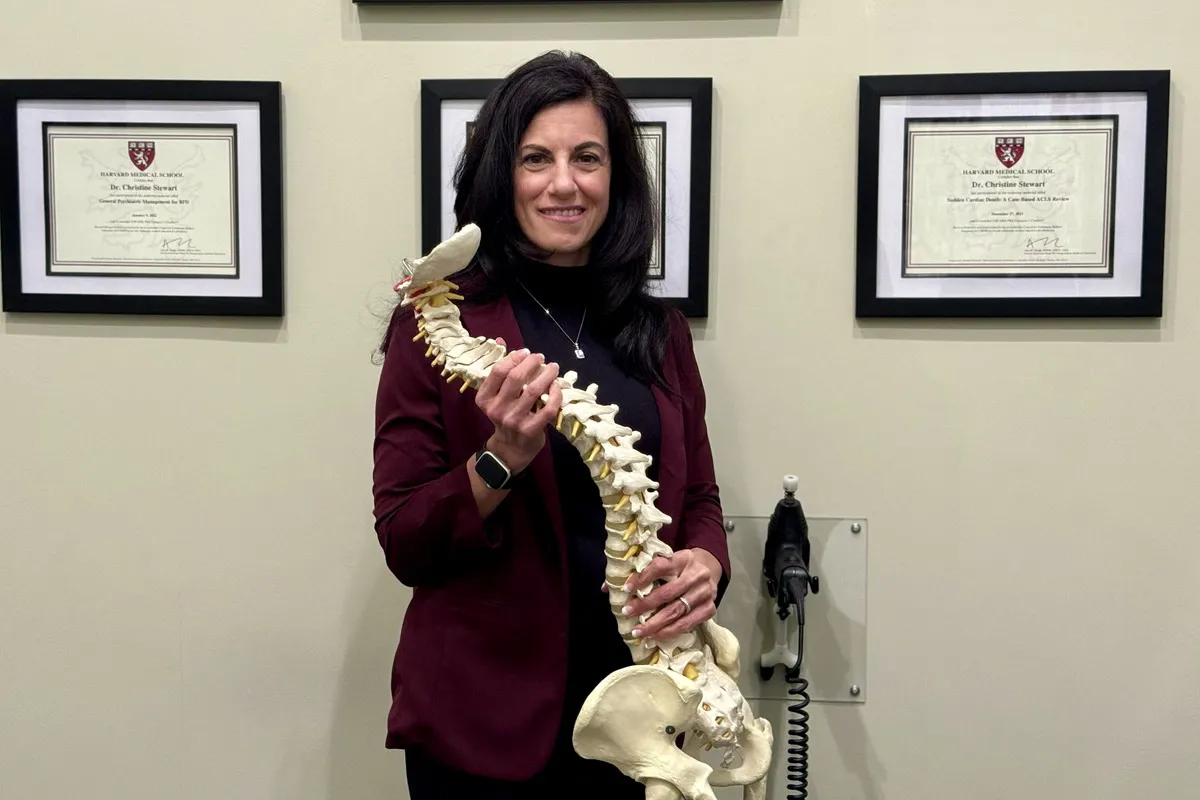
It’s worth noting that sciatica itself is not a diagnosis — it’s a collection of symptoms that points to an underlying issue with the sciatic nerve. Identifying that underlying issue is critical because it guides the most effective approach to care. Dr. Christine Stewart at Wilderness Family Chiropractic takes a thorough, individualized approach to understanding what’s driving each patient’s symptoms before recommending any course of treatment.
Key Differences: How to Tell Them Apart
The clearest way to distinguish sciatica from general lower back pain is to pay attention to where you feel the pain and what it feels like. Lower back pain tends to stay in the back — it might spread to the hips or buttocks, but it usually doesn’t travel down into the leg with any consistency. Sciatica, by contrast, almost always involves leg symptoms. If your pain radiates past the knee, that’s a significant indicator that the sciatic nerve may be involved.
The quality of the sensation matters too. Lower back pain often feels like tightness, stiffness, or a dull ache. Sciatica tends to feel more intense — burning, sharp, or electric. Many patients describe it as a pain that’s hard to escape because changing positions doesn’t always help. Sitting for long periods often aggravates sciatic symptoms, as does standing up suddenly from a seated position.
Another distinguishing factor is numbness and tingling. While some lower back conditions can cause minor referred sensations, numbness or tingling that runs down the leg — particularly into the foot — is a hallmark of nerve involvement and suggests sciatica rather than simple muscle pain. Weakness in the leg is another neurological sign that warrants careful evaluation.
Common Causes of Each Condition
Lower back pain has a wide range of causes. Muscle strain from heavy lifting, poor posture over long hours at a desk, ligament sprains from sudden movements, and joint dysfunction in the lumbar spine are among the most common. Disc degeneration — which is a normal part of aging — can also contribute to stiffness and aching in the lower back without necessarily involving nerve compression. Postural habits, sedentary lifestyles, and even stress can all play a role in how the muscles and joints of the low back function.
Sciatica, on the other hand, is most commonly caused by a herniated or bulging disc in the lumbar spine that presses against one of the nerve roots contributing to the sciatic nerve. Other causes include spinal stenosis (a narrowing of the spinal canal that compresses nearby nerves), piriformis syndrome (where a muscle deep in the buttock irritates the sciatic nerve directly), and degenerative disc changes that reduce the space available for nerve roots to exit the spine. Pregnancy can also cause sciatic-like symptoms due to postural changes and pressure on the pelvis.
Here in the Fredericksburg, VA area, we see a real mix of patients — from those who work physically demanding jobs to folks who sit for extended periods with remote work. Both types of lifestyles carry their own risks for developing these conditions. The encouraging part is that most cases of both lower back pain and sciatica improve with conservative care when addressed early.
How Chiropractic Care Fits In
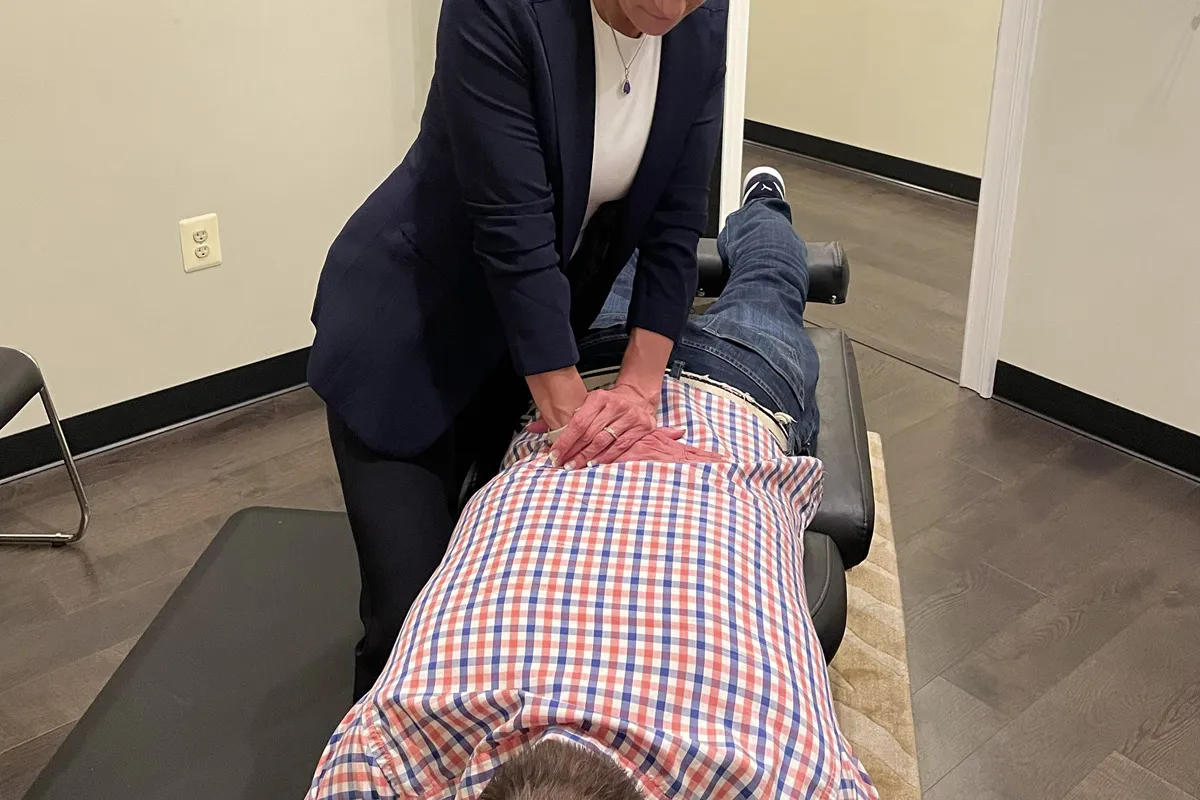
Chiropractic care is considered a first-line, evidence-informed approach for both lower back pain and sciatica. Guidelines from organizations such as the American College of Physicians have recommended spinal manipulation and other conservative care options as preferred initial treatments for lower back pain — ahead of medications in many cases. This reflects a broader shift in how the healthcare community views non-invasive, drug-free care for musculoskeletal conditions.
At Wilderness Family Chiropractic, Dr. Christine Stewart begins with a thorough assessment to understand the full picture of what’s happening in your spine and nervous system. This typically involves taking a detailed health history, evaluating your posture and movement patterns, and assessing the mobility and alignment of your spine. This information shapes a care plan that is specific to you — not a one-size-fits-all approach.
For lower back pain, chiropractic adjustments help restore proper movement in joints that may be restricted or misaligned, reducing mechanical stress on surrounding muscles and tissues. For sciatica, the goal is to relieve pressure on the irritated nerve root through careful, targeted spinal care. In addition to adjustments, care may include soft tissue techniques, movement guidance, and recommendations for stretching and posture — all designed to support your body’s natural ability to heal and function well.
Many patients at Wilderness Family Chiropractic in Fredericksburg, VA find that a consistent course of chiropractic care significantly reduces their symptoms and improves their quality of life — often without the need for medication or surgery. While results are always individual and no outcomes can be guaranteed, research suggests that chiropractic care can be highly effective for these conditions when applied appropriately.
Practical Tips for Managing Pain at Home
While professional care is the most reliable path to recovery, there are supportive habits you can build into your daily life to help manage lower back pain and sciatica symptoms. One of the most impactful things you can do is move regularly. Prolonged sitting increases pressure on the lumbar discs and can aggravate both conditions. Taking a short walk every 30 to 45 minutes during your workday makes a meaningful difference over time.
Paying attention to your sleeping position can also help. For many people with lower back pain or sciatica, sleeping on your side with a pillow between your knees reduces pressure on the lumbar spine and helps the sciatic nerve decompress naturally overnight. Sleeping flat on your stomach tends to be harder on the lower back and is generally worth avoiding during a flare-up.
Gentle movement is better than rest for most cases of lower back pain and sciatica. Gentle walking, light stretching of the hips and hamstrings, and avoiding sudden twisting or heavy lifting can support recovery without further aggravating the area. Always move within a comfortable range and avoid pushing through sharp or shooting pain — that’s your body’s signal to slow down and seek evaluation.
When to See a Chiropractor
If your lower back pain has lasted more than a few days without improvement, or if your sciatic symptoms are interfering with sleep, work, or everyday activities, it’s a good time to seek evaluation. You don’t need to wait until you’re in severe pain. In fact, getting care earlier often leads to faster, more complete recovery.
Certain warning signs, however, require immediate medical attention rather than chiropractic evaluation. These include loss of bladder or bowel control, numbness in the groin or inner thighs (sometimes called saddle anesthesia), severe progressive leg weakness, or symptoms following a significant trauma like a fall or accident. These can indicate a more serious neurological emergency and should be evaluated at an emergency facility right away.
For the vast majority of people dealing with lower back pain or sciatica, chiropractic care is a safe, appropriate starting point. Dr. Christine Stewart and the team at Wilderness Family Chiropractic in Fredericksburg, VA are here to help you understand what’s happening in your body and work with you to find lasting relief through a personalized, conservative care approach.
Sciatica vs. Lower Back Pain at a Glance
Feature | Lower Back Pain | Sciatica |
|---|---|---|
Location of Pain | Localized to the lumbar region; may spread to hips or buttocks | Originates in the low back or buttock; radiates down one leg |
Sensation | Dull ache, stiffness, tightness, soreness | Sharp, burning, electric, shooting pain |
Numbness/Tingling | Uncommon unless nerve is involved | Common; often extends into the foot |
Leg Weakness | Rare | Possible; indicates nerve involvement |
Sides Affected | Typically bilateral (both sides of the back) | Usually unilateral (one leg) |
Common Causes | Muscle strain, joint dysfunction, poor posture, disc wear | Herniated disc, spinal stenosis, piriformis syndrome |
Aggravated By | Bending, lifting, prolonged sitting or standing | Sitting, sneezing, coughing, sudden movements |
Chiropractic Approach | Joint mobilization, adjustments, posture correction | Targeted nerve decompression, spinal adjustments, soft tissue care |
Myths vs. Facts About Sciatica and Lower Back Pain
Myth: Sciatica and lower back pain are the same thing.
Fact: While they can occur together, sciatica and lower back pain are distinct. Lower back pain is localized discomfort in the lumbar region. Sciatica is a specific set of symptoms caused by sciatic nerve irritation, almost always involving the leg. Treating them the same way without a proper diagnosis can delay recovery.
Myth: You should rest in bed until lower back pain goes away.
Fact: Extended bed rest is not recommended for most cases of lower back pain and can actually slow recovery. Evidence consistently supports gentle movement, light activity, and avoiding prolonged immobility as more effective strategies for healing.
Myth: Sciatica always requires surgery to resolve.
Fact: The overwhelming majority of sciatica cases resolve with conservative, non-surgical care. Chiropractic care, physical movement, and time are effective for most people. Surgery is typically only considered after conservative options have been thoroughly exhausted and in cases with specific structural findings.
Myth: If you have lower back pain, something must be seriously wrong with your spine.
Fact: Most lower back pain is mechanical in nature — meaning it involves muscles, joints, or soft tissues rather than serious structural damage. Imaging findings like disc bulges or degenerative changes are common even in people with no pain at all. A thorough chiropractic evaluation can put your concerns in proper context.
Myth: Chiropractic care is only for the back.
Fact: Chiropractic care addresses the relationship between the spine, nervous system, and overall body function. For sciatica in particular, care often involves the hips, pelvis, and supporting musculature — not just the spine itself. Dr. Christine Stewart takes a whole-body approach to understanding and addressing each patient’s unique situation.
Final Thoughts from Wilderness Family Chiropractic
Whether you’re dealing with a nagging lower back ache or a sharp, shooting pain that follows you down your leg, you don’t have to just push through it and hope it resolves on its own. Understanding the difference between sciatica and lower back pain is empowering — and getting a proper evaluation is one of the best things you can do for your long-term health.
Here at Wilderness Family Chiropractic in Fredericksburg, VA, Dr. Christine Stewart is dedicated to helping members of our community understand their bodies, find relief from pain, and build a foundation for lasting spinal health. Our approach is always conservative, individualized, and rooted in genuine care for every person who walks through our doors. If you’ve been putting off getting your back or leg pain checked out, consider this your friendly nudge — relief may be closer than you think.
Frequently Asked Questions
Can you have sciatica without lower back pain?
Yes, it is possible to experience sciatic nerve symptoms — such as pain, numbness, or tingling in the leg — without significant lower back pain. This can happen when the nerve is irritated further along its path, such as in the piriformis muscle deep in the buttock, rather than at the lumbar spine itself.
How long does sciatica typically last?
Many cases of sciatica improve within four to six weeks with appropriate conservative care. Some cases may take longer, particularly if the underlying cause is not addressed. Early evaluation and consistent chiropractic care can help shorten recovery time for many patients.
Is it safe to exercise with lower back pain or sciatica?
Gentle movement is generally beneficial and encouraged for both conditions. However, specific exercises depend on the cause and severity of your symptoms. It’s best to get guidance from a qualified healthcare provider before beginning any new exercise routine during a flare-up.
Can poor posture cause sciatica?
Poor posture contributes to spinal imbalances that can increase pressure on lumbar discs and nerve roots over time. While posture alone rarely causes sciatica, it is a significant contributing factor — especially when combined with prolonged sitting or repetitive movement patterns.
Does chiropractic care hurt when treating sciatica or lower back pain?
Most chiropractic adjustments are gentle and well-tolerated. Some mild soreness following a first few appointments is normal, similar to how muscles feel after exercise. Dr. Christine Stewart adapts techniques based on each patient’s comfort level and the nature of their condition.
How do I know if my leg pain is sciatica or something else?
Leg pain that radiates from the low back or buttock down the back of the thigh and into the calf or foot, particularly when accompanied by numbness or tingling, is a strong indicator of sciatic nerve involvement. A professional evaluation at Wilderness Family Chiropractic in Fredericksburg, VA is the most reliable way to confirm the cause.
TL;DR — Key Takeaways
-
Lower back pain is localized discomfort in the lumbar region; sciatica involves nerve-related symptoms that radiate down the leg.
-
Sciatica is caused by compression or irritation of the sciatic nerve, most often from a herniated disc, spinal stenosis, or piriformis syndrome.
-
The two conditions can occur together but require different care approaches — proper evaluation is essential.
-
Chiropractic care is a well-supported, non-invasive option for both conditions and is recommended as a first-line approach by major health guidelines.
-
Most cases of lower back pain and sciatica improve with conservative care — surgery is rarely necessary when issues are addressed early and appropriately.