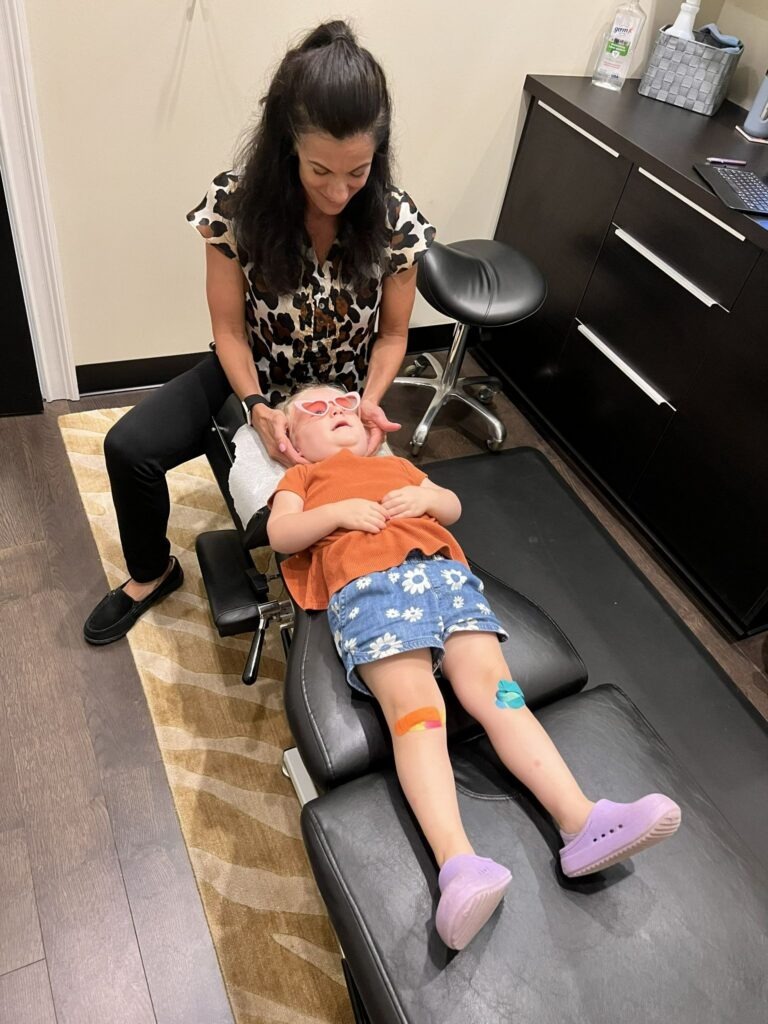

As a local chiropractor dedicated to your well-being, I want to emphasize the importance of enhancing your joint flexibility and movement naturally to support an active lifestyle. It’s crucial to understand that improving joint function goes beyond just stretching; it requires a holistic approach that includes proper nutrition, mindful practices, and specific exercises tailored to your needs.
Many people are unaware of how these elements work together to enhance joint health. By incorporating nutrient-rich foods that reduce inflammation and provide essential vitamins and minerals, along with mindful practices like yoga or meditation, you can create a supportive environment for your joints.
Moreover, targeted exercises can significantly improve your range of motion and overall mobility. As a chiropractor, I can guide you through these exercises and provide adjustments that help align your spine and joints, further facilitating your body’s natural healing processes.
If you’re curious about how to get started and what specific techniques can make a difference, let’s work together to explore the key components that contribute to better joint health and mobility. Your journey to improved flexibility and movement begins with understanding the natural methods available to you.
Understanding Joint Flexibility and Its Importance
As a local chiropractor, I want to emphasize the importance of joint flexibility for your overall mobility and injury prevention. When your joints are flexible, you can move more freely, allowing you to engage in daily activities without discomfort. This flexibility is crucial because it helps your body absorb shock, which can significantly reduce the risk of strains and sprains during physical activities.
Many people may not realize how joint flexibility influences athletic performance and overall quality of life. As we age, our joints can become stiffer, which is why it’s essential to incorporate flexibility exercises into your routine. Engaging in stretching and mobility exercises not only improves your range of motion but also enhances blood circulation.
This increased circulation plays a vital role in aiding recovery after workouts and can contribute to overall well-being. At our chiropractic practice, we focus on holistic approaches to health, and fostering joint flexibility is a key component of our care.
The Role of Nutrition in Joint Health
As a local chiropractor, I want to emphasize the crucial role that nutrition plays in maintaining your joint health. Many people are unaware that the foods we consume can significantly impact our overall well-being, especially when it comes to our joints.
By including essential nutrients and anti-inflammatory foods in your diet, you can enhance joint flexibility and alleviate discomfort.
When we think about joint health, it’s important to recognize how certain foods can either support or hinder our bodies. Nutrients like omega-3 fatty acids, found in fish and flaxseeds, are known for their anti-inflammatory properties, while antioxidants from fruits and vegetables can help combat oxidative stress in the joints.
Incorporating these types of foods into your meals can make a meaningful difference in how your joints feel and function.
As your chiropractor, I encourage you to consider not just chiropractic care but also the power of nutrition in your journey toward better joint health. Together, we can create a holistic approach that supports your body’s natural healing processes.
Essential Nutrients for Joints
As a local chiropractor, I want to share how essential nutrients can play a significant role in maintaining healthy joints, which is crucial for your overall mobility and well-being. Understanding the right nutrients can help you support your body’s natural healing processes and enhance your joint function.
One of the key components to consider is glucosamine and chondroitin. These nutrients are vital for maintaining the integrity of your cartilage, which acts as a cushion between your joints. By incorporating these into your diet, you can help keep your joints functioning smoothly.
Additionally, omega-3 fatty acids are incredibly beneficial for joint health. Found in foods like fish and flaxseeds, omega-3s support joint lubrication and can help reduce stiffness, making it easier for you to move comfortably.
Vitamins also play a pivotal role. Vitamin C is important for collagen production, which is essential for healthy joints, while vitamin D supports bone health, ensuring that your joints have a strong foundation. Both of these vitamins are critical in preventing discomfort and maintaining mobility.
Don’t overlook minerals like magnesium and calcium. They’re crucial for strong bones, which in turn helps prevent joint discomfort. A balanced intake of these minerals can significantly benefit your joint health.
Lastly, antioxidants from sources such as berries and leafy greens are powerful allies in combating oxidative stress, which can damage your joints over time. By incorporating these nutrient-rich foods into your daily meals, you can promote better joint health and enhance your overall mobility.
Anti-Inflammatory Foods Benefits
As a local chiropractor, I often emphasize the importance of nutrition in maintaining overall wellness, particularly when it comes to joint health and mobility. One of the best ways to support your joints is by incorporating anti-inflammatory foods into your diet. Foods high in omega-3 fatty acids, such as salmon and walnuts, are excellent choices as they help reduce inflammation and can make a significant difference in how your joints feel.
Additionally, colorful fruits and vegetables, like berries and spinach, are loaded with antioxidants that help fight off free radicals in the body, further promoting healthy joint function. Turmeric is another powerful ally; its active compound, curcumin, is known for its strong anti-inflammatory properties and can provide relief from discomfort.
Whole grains and legumes are also beneficial, as they help stabilize blood sugar levels, which is essential for maintaining joint health. By choosing these nutrient-dense foods, you not only nourish your body but also enhance your flexibility and movement.
Making these dietary changes can lead to noticeable improvements in how your joints feel and function. As you explore natural healing options alongside chiropractic care, remember that what you eat plays a crucial role in your overall health and wellness.
Effective Stretching Techniques for Improved Flexibility
As your local chiropractor, I want to emphasize the importance of mastering effective stretching techniques to enhance your flexibility and improve your overall movement. By incorporating various methods into your daily routine, you can’t only increase your flexibility but also reduce tension in your muscles and joints.
Here are some techniques I recommend for you to consider:
- Static Stretching: This involves holding each stretch for 15-60 seconds. It’s a great way to gradually lengthen your muscles and can be particularly beneficial after your chiropractic adjustments.
- Dynamic Stretching: These are controlled movements that take your joints and muscles through their full range of motion. This method is excellent for warming up before physical activity and can help prepare your body for movement.
- PNF Stretching: Partnering with someone for this technique can be incredibly effective. It involves contracting and relaxing your muscles, which can significantly improve flexibility through a combination of stretching and isometric contractions. This can also complement the care you receive in my office.
- Yoga: Practicing yoga poses not only promotes flexibility but also emphasizes breath work, which fosters relaxation both physically and mentally. Incorporating yoga into your routine can enhance the benefits of chiropractic care and improve your overall well-being.
By integrating these stretching techniques into your lifestyle, you can support your chiropractic treatment and promote better movement and flexibility.
If you have any questions or need guidance on how to get started, feel free to reach out during your next visit!
Strength Training for Joint Support
As a local chiropractor, I want to emphasize the importance of strength training in supporting your joints and enhancing your overall movement. Building muscle around your joints functions as a natural cushion that absorbs shock and alleviates strain, which can significantly reduce your risk of injuries during everyday activities or sports.
Incorporating exercises that target major muscle groups—such as squats, lunges, and deadlifts—can be incredibly beneficial. These movements engage multiple joints, promoting both stability and strength.
Additionally, focusing on your core is crucial, as a strong core stabilizes your entire body and provides further protection for your joints.
I recommend aiming for two to three strength training sessions each week. It’s vital to allow your muscles ample time to recover between workouts. Begin with lighter weights and prioritize proper form to minimize the risk of injury. As you become more comfortable, you can gradually increase the weight or resistance.
Remember, consistency is key to observing improvements in your joint support and overall movement.
Incorporating Low-Impact Exercises
As a chiropractor dedicated to promoting natural healing and overall wellness, I want to emphasize the importance of incorporating low-impact exercises into your fitness routine. High-impact activities can put unnecessary strain on your joints, but low-impact options provide an excellent alternative that still supports flexibility and strength.
These exercises are gentle on your joints, making them suitable for individuals of all fitness levels. By integrating low-impact activities into your daily life, you can enhance your joint health and enjoy a diverse range of workouts.
Here are some fantastic low-impact options to consider:
- Swimming: This full-body workout not only improves endurance and flexibility but also offers resistance without the stress on your joints, making it an ideal exercise for maintaining joint health.
- Yoga: Through a series of stretches and balance-focused movements, yoga can significantly increase your range of motion and alleviate stiffness, promoting relaxation and body awareness.
- Cycling: Whether you choose a stationary bike at home or venture outdoors, cycling is an excellent way to strengthen your legs and boost cardiovascular health without the impact on your joints.
- Pilates: By focusing on controlled movements, Pilates helps build core strength and stability, which can improve your posture and flexibility while also reinforcing proper alignment.
Incorporating these low-impact exercises into your routine can lead to improved joint function and overall well-being.
The Benefits of Regular Movement
As a local chiropractor, I want to emphasize the importance of regular movement for your overall health and well-being. It’s crucial for keeping your body functioning optimally. Engaging in consistent physical activity can significantly boost your cardiovascular health, strengthen your muscles, and enhance your flexibility.
Additionally, movement plays a key role in improving your mood and reducing stress, which is vital for managing daily challenges effectively. When you incorporate regular movement into your routine, you enhance your circulation, allowing for better delivery of nutrients to your joints and tissues. This promotes quicker recovery and reduces stiffness, which can be particularly beneficial if you’re experiencing discomfort.
Moreover, staying active can elevate your energy levels and improve your sleep quality. Whether it’s a brisk walk, dancing, or practicing yoga, every bit of movement counts. I’ve seen firsthand how regular activity not only improves physical fitness but also supports mental clarity and emotional stability in my patients.
As you consider your health, I encourage you to prioritize movement. It’s a natural and effective way to enhance both your physical and mental well-being. Your body and mind will certainly thank you for making this commitment to stay active!
Utilizing Foam Rolling and Massage
As a local chiropractor, I want to introduce you to the incredible benefits of foam rolling and massage for improving your joint flexibility and overall movement.
Many people are unfamiliar with how these techniques can complement chiropractic care, but once you understand their advantages, you can easily integrate them into your wellness routine.
Foam rolling and massage work by releasing tension in your muscles and fascia, which can lead to increased range of motion and reduced discomfort.
By incorporating these practices, you can support your body in healing and moving more freely, enhancing the adjustments we make during your chiropractic visits.
Let’s delve into how foam rolling and massage can contribute to your well-being, helping you to feel better and enjoy a more active lifestyle.
Benefits of Foam Rolling
As a local chiropractor, I often emphasize the importance of natural healing methods to improve your overall health. One effective tool that can greatly enhance your flexibility and reduce muscle tension is foam rolling.
If you’re not familiar with it, foam rolling is a simple yet powerful technique that helps release tight muscles, improve circulation, and promote faster recovery after physical activities.
By focusing on specific areas of your body, foam rolling can alleviate soreness and help prevent injuries, making your workouts not only safer but also more effective.
Here are some key benefits of incorporating foam rolling into your wellness routine:
- Reduces muscle soreness: Foam rolling can significantly ease the discomfort you may feel after exercising, allowing you to recover more efficiently.
- Improves range of motion: This technique increases your flexibility and enhances joint mobility, which is essential for maintaining an active lifestyle.
- Enhances blood flow: By boosting circulation, foam rolling aids in the recovery process, ensuring that your muscles receive the nutrients they need to heal.
- Promotes relaxation: It also provides a wonderful way to relieve stress and tension in your body, contributing to your overall well-being.
Integrating foam rolling into your routine can transform not only your physical performance but also your overall health.
If you have any questions about how to get started or how it can benefit you, please feel free to reach out during your next visit!
Techniques for Effective Massage
As a local chiropractor dedicated to your wellness, I want to share how incorporating effective massage techniques into your self-care routine can significantly enhance your recovery and flexibility.
Let’s begin with foam rolling, a great way to target tight muscles and fascia. When you foam roll, focus on those areas that feel tense or sore. Applying consistent pressure can yield wonderful results.
Next, I encourage you to explore manual massage techniques. Using your hands to knead and apply pressure to sore spots can enhance blood circulation and promote relaxation.
Additionally, consider using self-massage tools like massage balls or sticks, which can help you reach those hard-to-access areas that often need attention.
While you massage, integrating deep breathing can be incredibly beneficial. Deep breaths can help release tension and improve your mental focus.
Remember to always listen to your body; if something feels too intense, adjust your pressure accordingly.
By consistently practicing these techniques, you’ll likely experience improvements not only in your flexibility but also in your overall movement quality and well-being.
Embracing these natural healing methods can be a vital part of your chiropractic care journey.
Incorporating Into Routine
As your local chiropractor, I want to share how foam rolling and massage can greatly benefit your overall wellness. These practices can easily become part of your daily routine, promoting better muscle health and recovery.
Here are some helpful tips to seamlessly integrate these techniques into your life:
- Morning Stretch: Begin your day by using a foam roller to warm up your muscles and stimulate circulation. This simple act can help prepare your body for the day ahead.
- Post-Workout Recovery: After exercising, take a moment to roll out any tight areas. This can significantly reduce soreness and improve flexibility, allowing your body to recover more efficiently.
- Evening Relaxation: As you wind down at the end of the day, consider incorporating massage techniques. This can help relieve the tension that builds up throughout the day and promote a sense of relaxation.
- Scheduled Reminders: To ensure you make foam rolling and massage a priority, set reminders on your phone. This small step can help you stay consistent and reap the benefits of these natural healing methods.
By incorporating these practices into your routine, you’ll not only enhance your physical health but also support your overall well-being.
Mindfulness and Relaxation Practices
As a chiropractor, I want to share with you the benefits of incorporating mindfulness and relaxation techniques into your routine for enhancing joint flexibility and overall movement.
These practices are designed to help you tune into your body, reducing tension and promoting a sense of ease that’s crucial for your musculoskeletal health.
Begin by finding a quiet space where you can sit or lie down comfortably. Focus on your breathing; take a deep inhale through your nose, and then exhale slowly through your mouth. This simple act not only calms your mind but also helps relax your muscles, which can be beneficial for your joints.
While maintaining this focus on your breath, consider incorporating gentle stretches. Allow your body to move naturally, and as you stretch, visualize your joints becoming more flexible. This mental imagery can enhance the benefits of your physical movements.
You might also explore guided imagery or meditation techniques, imagining each joint loosening with every breath you take. By connecting your mind and body, you’re creating a powerful synergy that promotes not only flexibility but also a deeper awareness of your movements.
I encourage you to embrace these mindfulness and relaxation practices regularly.
You may be surprised to find that they contribute significantly to improved joint health and mobility over time.
Integrating these techniques with chiropractic care can lead to a holistic approach to your well-being.
Creating a Consistent Routine for Joint Care
As a local chiropractor, I want to emphasize the importance of establishing a consistent routine for joint care. This is crucial for maintaining flexibility and preventing discomfort in your daily life.
By integrating simple practices into your routine, you can effectively support your joints and overall well-being. Let’s explore some manageable steps that you can easily incorporate into your schedule:
- Daily stretching: I encourage you to set aside 10-15 minutes each day for stretching major muscle groups. Focus particularly on areas that support your joints. This can help improve flexibility and reduce tension.
- Low-impact exercises: Engaging in low-impact activities such as swimming or cycling is beneficial. These exercises are gentler on your joints while still promoting strength and endurance, which are essential for joint health.
- Hydration: Don’t underestimate the power of hydration! Drinking plenty of water throughout the day is vital for keeping your joints lubricated and functioning optimally. Proper hydration can significantly impact your overall joint health.
- Balanced diet: Nutrition plays a key role in joint care. Incorporating anti-inflammatory foods into your diet, such as leafy greens and fatty fish, can nourish your body and further support your joint health. A balanced diet is fundamental for maintaining a healthy lifestyle.
By following these simple steps, you can take proactive measures to care for your joints.