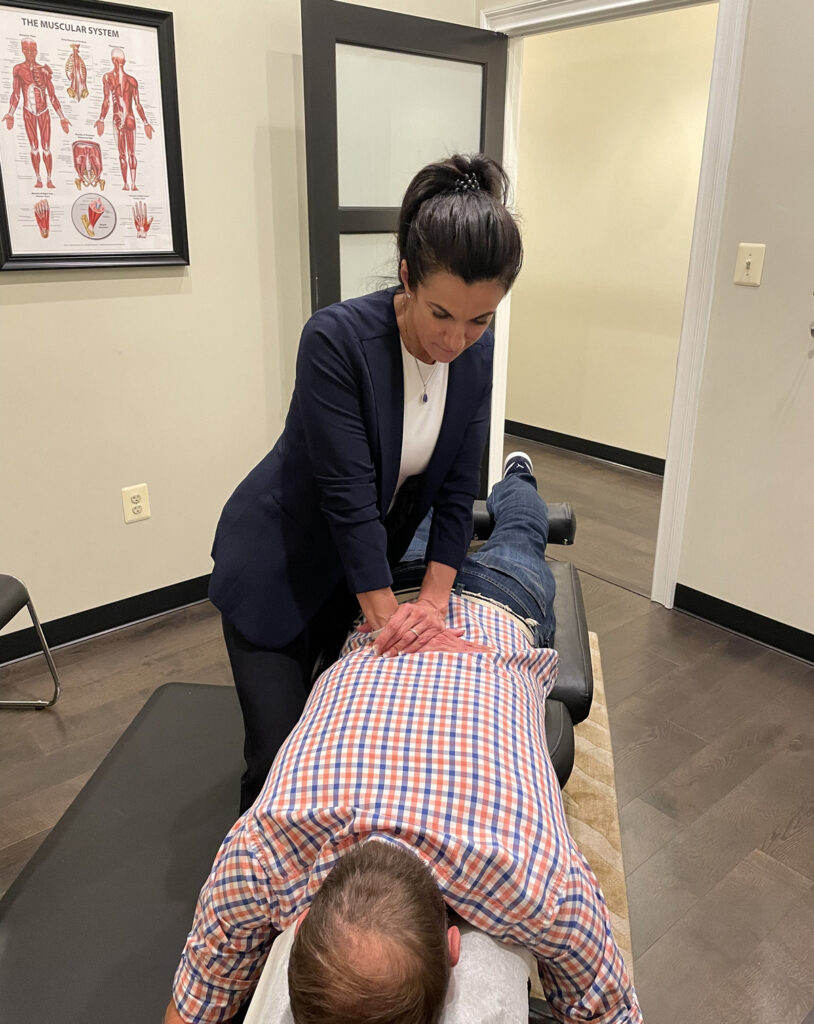

As a local chiropractor, I want to emphasize the importance of improving your joint flexibility and movement naturally for maintaining an active and healthy lifestyle. Many of my patients are surprised to learn that simple exercises, mindful dietary choices, and small adjustments to daily habits can significantly enhance your overall joint function.
It’s easy to overlook these straightforward strategies, but they can lead to remarkable improvements in how you feel and move. So, what effective methods can you integrate into your routine to support your joints and boost your mobility? Let’s dive into some practical approaches that can truly make a difference.
By focusing on gentle stretching and strengthening exercises, you can promote better flexibility and stability in your joints. Additionally, incorporating anti-inflammatory foods into your diet can help reduce discomfort and support joint health. Lastly, being mindful of your posture and movement patterns in everyday activities can prevent strain and improve overall function.
As your chiropractor, I am here to guide you through these natural healing methods and help you cultivate a lifestyle that prioritizes your joint health and mobility. Together, we can work towards achieving your wellness goals.
Understanding Joint Flexibility and Its Importance
As a local chiropractor, I want to emphasize the vital role that joint flexibility plays in your overall movement and physical performance. When your joints are flexible, you can move more freely and efficiently, which significantly reduces your risk of injury during various activities. Flexibility allows for an increased range of motion, and this is crucial whether you’re exercising, engaging in sports, or simply navigating your daily routines.
It’s important to understand how joint flexibility impacts your body mechanics. When your joints are tight or stiff, it can lead to compensatory movements that place strain on other areas of your body, resulting in discomfort or pain. This not only affects your ability to perform tasks but can also impede your overall physical performance.
Moreover, maintaining good flexibility is key to achieving better posture and alignment. Proper alignment enhances your stability and balance, making everyday movements easier and more graceful.
Effective Exercises for Enhancing Flexibility
As your local chiropractor, I want to share some effective ways to enhance your flexibility, which can greatly benefit your overall health and well-being.
One of the best methods to improve flexibility is through dynamic stretching techniques. These stretches involve movement and can warm up your muscles while increasing your range of motion.
In addition, exploring practices like yoga and Pilates can significantly enhance your flexibility. These disciplines focus on controlled movements and breathing, which not only improve flexibility but also strengthen your core and promote relaxation.
It’s also important to recognize that strength training plays a crucial role in flexibility. By building strength in your muscles, you can support better movement patterns and prevent injuries.
Dynamic Stretching Techniques
As a local chiropractor, I want to emphasize the importance of dynamic stretching techniques for enhancing your flexibility and preparing your body for physical activity. These exercises aren’t only beneficial for warming up but also play a crucial role in promoting natural healing and overall wellness.
Dynamic stretching involves moving various parts of your body through their full range of motion, which increases blood flow and activates essential muscles. For instance, you can start with leg swings—simply swing one leg forward and backward while maintaining balance on the other leg. This helps to loosen up your hip joints and improve stability.
Another great technique is arm circles. By moving your arms in small to larger circles, you effectively loosen your shoulders, which is vital for upper body mobility.
Walking lunges are also an excellent option; take a step forward into a lunge and alternate legs. This not only engages your leg muscles but also stretches them, preparing them for more strenuous activity.
Don’t overlook high knees and butt kicks, as these exercises are fantastic for engaging your core and lower body. Incorporating these dynamic stretches into your warm-up routine can lead to improved flexibility and readiness for any workouts or sports activities you may engage in.
Yoga and Pilates Benefits
As a local chiropractor, I often emphasize the incredible benefits of incorporating practices like yoga and Pilates into your wellness routine. These disciplines can significantly enhance your flexibility and overall health, which are crucial for maintaining a healthy spine and body.
Both yoga and Pilates focus on controlled movements and deep stretching, which can help lengthen your muscles and improve your joint range of motion.
In yoga, poses such as downward dog and pigeon are excellent for stretching your hips, hamstrings, and spine. These stretches promote relaxation and help reduce tension, which can be beneficial for alleviating discomfort often associated with spinal issues.
Pilates, on the other hand, places a strong emphasis on core strength and alignment. This focus allows you to engage your entire body while simultaneously increasing flexibility.
Regular practice of yoga and Pilates can also lead to improvements in your posture, balance, and body awareness—factors that play a significant role in spinal health.
What’s great is that these practices can be tailored to fit your individual needs and fitness level, making it easy for you to progress at your own pace.
Strength Training for Flexibility
As a local chiropractor, I want to share an important perspective on how strength training can significantly enhance your flexibility, which is often overlooked. Many people think of strength training solely as a way to build muscle. However, it can also be an effective tool for improving your range of motion and overall flexibility.
Incorporating exercises that engage multiple muscle groups, like squats and deadlifts, can promote full-body activation and flexibility simultaneously. These compound movements allow your body to work as a cohesive unit, making it easier to perform everyday activities.
Additionally, using resistance bands in your routine not only builds strength but also aids in stretching your muscles, further enhancing flexibility.
Before starting your workouts, I recommend including dynamic stretches to prepare your body and prevent injuries. After your strength training session, static stretches are essential for maximizing your flexibility gains.
Consistency is vital in this process; aim for at least two to three strength training sessions each week. With dedication, you’ll likely notice improvements in both your flexibility and strength.
This won’t only make your physical activities easier but also contribute to overall well-being and fluidity in your movements. As your chiropractor, I’m here to support you on your journey toward a healthier, more flexible body.
Nutrition Tips for Joint Health
As a local chiropractor, I want to share some important nutrition tips that can help you maintain healthy joints. Understanding the connection between nutrition and joint health is crucial for your overall well-being.
First, consider incorporating anti-inflammatory foods into your diet. Foods like fatty fish, nuts, and leafy greens can significantly reduce inflammation, which is essential for keeping your joints functioning well.
Don’t overlook the power of fruits, especially berries, which are packed with antioxidants that can further support joint health.
Hydration plays a vital role as well! Ensuring you drink enough water is key to keeping your joints lubricated and preventing stiffness.
Additionally, I recommend including sources of collagen in your diet, such as bone broth or collagen supplements. Collagen is important for maintaining healthy cartilage, which cushions your joints.
You should also focus on omega-3 fatty acids, which are known for their anti-inflammatory properties. Good sources include flaxseeds, walnuts, and fish oil. These nutrients can enhance joint function and help reduce pain.
Lastly, it’s important to limit your intake of processed foods, sugar, and excessive salt, as these can contribute to inflammation in the body.
By paying attention to these nutrition tips, you can support your joints and improve your overall health.
Incorporating Stretching Into Your Routine
As a local chiropractor dedicated to your health and well-being, I want to emphasize the importance of incorporating various types of stretching into your daily routine to improve your joint flexibility.
Many of my patients often ask about the best times to stretch, and I recommend considering both pre-workout and post-workout stretching as essential components of your regimen.
Before engaging in physical activity, dynamic stretching can prepare your muscles and joints, helping to prevent injuries.
After your workout, static stretching plays a crucial role in cooling down your body and enhancing flexibility.
By making stretching a consistent habit, you not only improve your overall movement but also significantly reduce the risk of injuries that can arise from tight muscles and joints.
Embracing this practice will support your journey toward better health and natural healing.
Types of Stretching
As a local chiropractor, I want to share with you the importance of incorporating various types of stretching into your routine, as it can significantly enhance your flexibility and overall movement.
Understanding these different types of stretching is essential for targeting specific areas of your body and improving your physical performance. Here are three effective types of stretching I recommend:
1. Static Stretching: This involves holding stretches for 15-30 seconds. It’s a great way to lengthen your muscles, promoting relaxation and increased flexibility.
Static stretching can be particularly beneficial for relieving tension and improving posture.
2. Dynamic Stretching: This type of stretching utilizes controlled movements to prepare your muscles for activity. It not only helps increase blood flow but also enhances your range of motion, making it an excellent warm-up before any physical activity or workout.
3. Proprioceptive Neuromuscular Facilitation (PNF): This advanced stretching technique combines stretching with muscle contractions, which can lead to significant flexibility gains.
PNF is often used in rehabilitation settings and can be very effective in enhancing muscle performance.
By integrating these types of stretching into your routine, you can improve your overall well-being and support your body’s natural healing processes.
If you have any questions about how to incorporate these stretches safely or effectively, feel free to reach out to me!
Best Times to Stretch
As a local chiropractor, I want to share some insights on the best times to incorporate stretching into your routine, which can significantly enhance your flexibility and overall well-being. One of the most effective moments to stretch is after you’ve warmed up or engaged in light cardio. This practice prepares your muscles and joints for deeper stretches, allowing you to reap maximum benefits.
It’s also crucial to include stretching in your post-workout cool-down. This not only aids in reducing muscle soreness but also promotes faster recovery, which is essential for maintaining optimal health and mobility.
I recommend making time for stretching during breaks throughout your day, especially if you find yourself sitting for extended periods. A quick stretch can alleviate tension, improve circulation, and contribute to a more comfortable day.
Lastly, consider dedicating a few minutes each morning to stretch. This simple act can set a positive tone for your day, enhancing your mood and energy levels.
By being mindful of these opportunities to stretch, you’ll likely notice remarkable improvements in your flexibility and movement, contributing to your overall health and wellness.
Lifestyle Changes to Support Mobility
As a local chiropractor, I want to share with you how simple lifestyle adjustments can significantly enhance your mobility and joint flexibility. Many people overlook the impact of their daily habits on their physical wellbeing, but making a few changes can lead to noticeable improvements in how you move and feel.
1. Stay Active: Engaging in regular physical activity, even something as simple as a brisk walk, is essential for keeping your joints lubricated and your muscles strong. This is crucial for maintaining flexibility and preventing stiffness.
Movement is medicine!
2. Hydrate: Staying properly hydrated is vital for your overall health. Drinking enough water helps maintain the health of your cartilage and ensures your joints function smoothly.
Aim for at least eight glasses a day to support your body’s needs.
3. Mind Your Posture: Being mindful of your posture while sitting or standing can greatly reduce strain on your joints. Good alignment not only enhances your mobility but can also alleviate discomfort and improve how you feel on a daily basis.
By incorporating these lifestyle changes, you’re not just supporting your mobility; you’re also fostering your overall well-being.
I encourage you to start implementing these tips today and pay attention to how your body responds. Together, we can work towards a healthier, more active lifestyle!
Natural Remedies for Joint Support
As a local chiropractor dedicated to your overall wellness, I want to share some valuable insights into natural remedies for supporting your joints. After making positive lifestyle changes to enhance your mobility, you might consider incorporating some of these natural options into your routine.
First, let’s talk about turmeric. This vibrant spice contains curcumin, which is known for its anti-inflammatory properties. You can easily add turmeric to your meals for flavor and health benefits, or you might opt for a supplement if that’s more convenient for you.
Another fantastic option is ginger. This common kitchen ingredient is also a powerful anti-inflammatory. Consider brewing a warm cup of ginger tea or adding fresh ginger to your favorite dishes for a tasty and healthful boost.
Don’t forget about omega-3 fatty acids! These essential nutrients, found in fish oil, are well-regarded for promoting joint health. If you’re not keen on fish, flaxseed oil is an excellent plant-based alternative that can provide similar benefits.
In addition to these remedies, increasing your intake of antioxidant-rich fruits and vegetables can further support your joints. These foods help combat inflammation and promote overall health.
Hydration is another crucial factor in maintaining joint health. Drinking adequate amounts of water helps to keep your joints lubricated, which is essential for maintaining mobility and reducing discomfort.
Lastly, some individuals find relief through topical applications, such as eucalyptus oil. When gently massaged into sore areas, it can provide soothing effects that help alleviate discomfort.