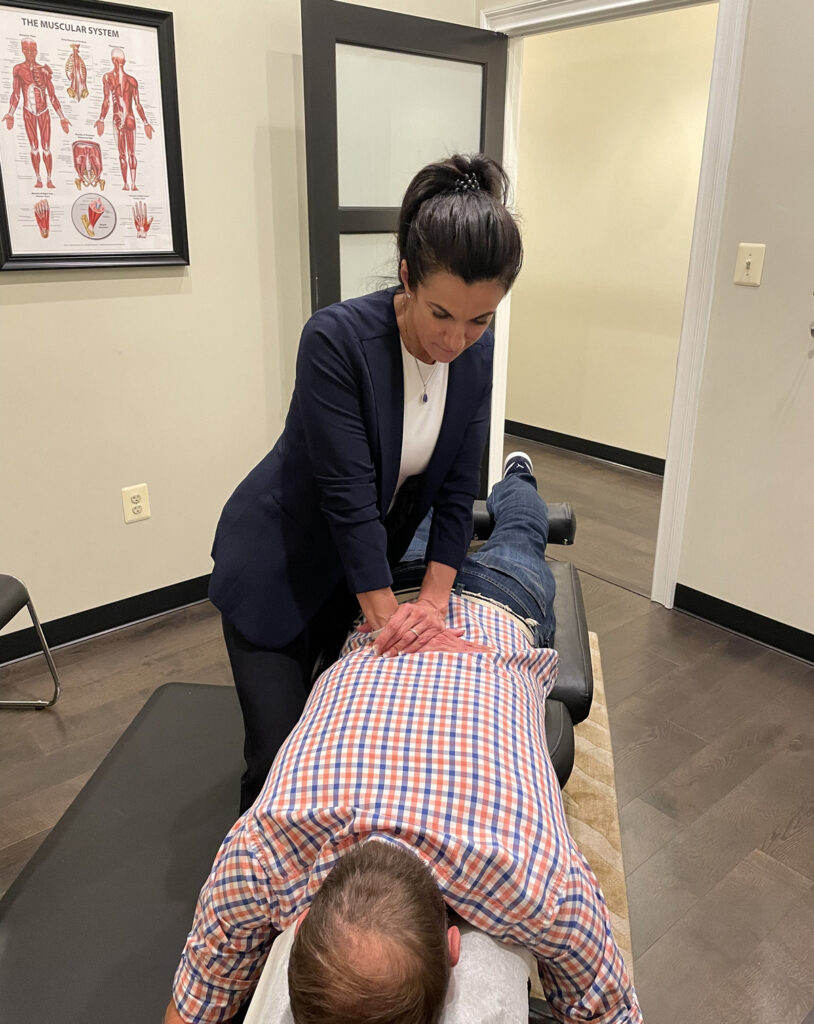
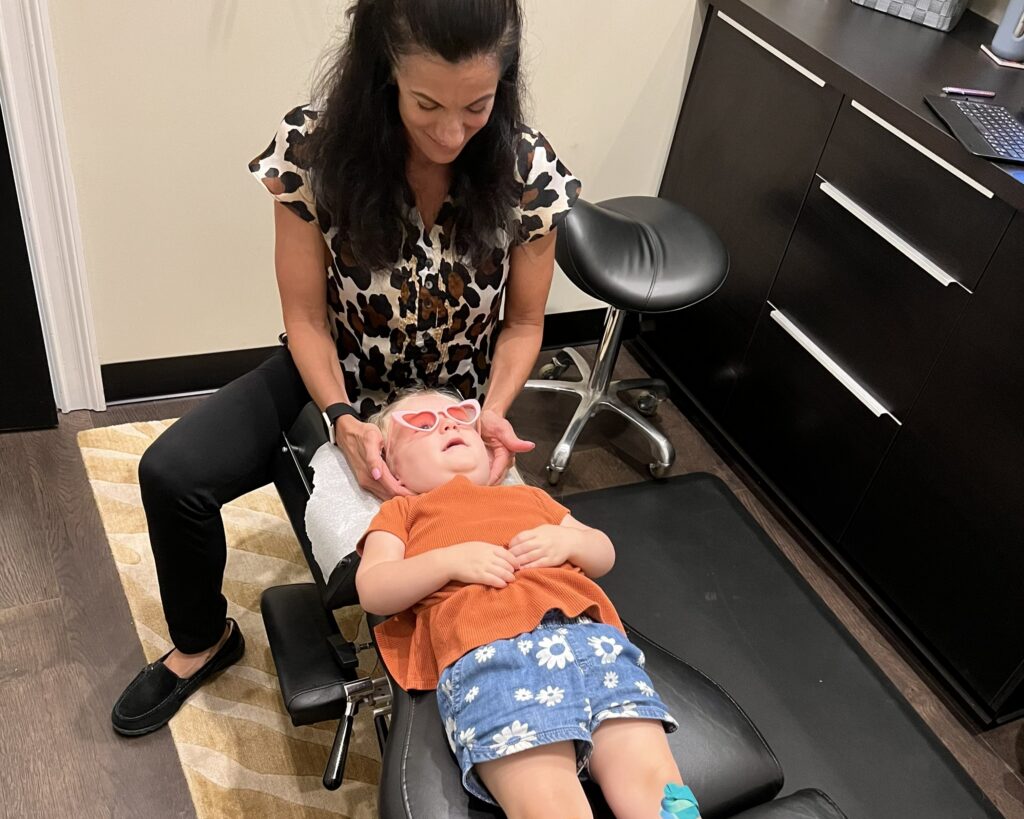

If you’re a parent in Fredericksburg, Virginia, you’ve probably heard about chiropractic care for adults—but did you know that chiropractic care can also be incredibly beneficial for children? Pediatric chiropractic care is a gentle, safe, and effective approach to supporting your child’s health and development from infancy through the teenage years. Many parents at Wilderness Family Chiropractic in Fredericksburg have discovered that chiropractic care can help their children with everything from sleep issues and colic to growing pains and sports injuries. Whether you’re curious about bringing your newborn in for an evaluation or you’re looking for natural solutions for your active teenager, this guide will walk you through everything you need to know about pediatric chiropractic care and how it might benefit your family.
What is Pediatric Chiropractic Care? Pediatric chiropractic care involves gentle, age-appropriate spinal and musculoskeletal assessments and adjustments specifically designed for infants, children, and teens. These techniques are significantly lighter and more subtle than adult adjustments, often using no more pressure than you’d use to test the ripeness of a tomato. The goal is to support proper nervous system function, musculoskeletal alignment, and overall wellness during critical growth and development stages.
Table of Contents
- Why Children Might Need Chiropractic Care
- What Pediatric Chiropractic Adjustments Actually Look Like
- Common Conditions Parents Seek Chiropractic Care For
- Is Pediatric Chiropractic Care Safe? What Research Shows
- When to Bring Your Child to See a Chiropractor
- What to Expect During Your Child’s First Visit
- Supporting Your Child’s Health at Home
- Myths vs. Facts About Pediatric Chiropractic Care
- Final Thoughts for Fredericksburg Families
Why Children Might Need Chiropractic Care
Children’s bodies are constantly growing, developing, and adapting to their environment. From the moment they’re born, they experience physical stresses that can affect their musculoskeletal system and nervous system. The birth process itself—whether vaginal or cesarean—can place significant forces on a newborn’s delicate spine and neck. Even uncomplicated births involve compression and twisting forces as the baby moves through the birth canal.
As children grow, they continue to experience physical challenges. Think about how many times a toddler falls while learning to walk, or how much time your school-aged child spends hunched over a tablet or sitting at a desk. Teenagers often carry heavy backpacks, develop poor posture from constant phone use, or sustain injuries from sports activities. All of these everyday stresses can create misalignments or tension in the developing spine.
The nervous system, which is protected by the spine, controls and coordinates every function in your child’s body—from breathing and digestion to immune function and growth. When the spine isn’t moving properly or has areas of dysfunction, it can potentially interfere with optimal nervous system function. Pediatric chiropractic care focuses on ensuring that your child’s spine develops properly and that their nervous system can function without interference.
Here in Fredericksburg, many parents bring their children to Wilderness Family Chiropractic not because something is “wrong,” but as a proactive approach to supporting their child’s natural growth and development. Just like regular dental checkups help prevent cavities, regular chiropractic checkups can help identify and address small issues before they develop into larger problems.
What Pediatric Chiropractic Adjustments Actually Look Like
One of the biggest concerns parents have is about what a chiropractic adjustment for a child actually involves. It’s important to understand that pediatric adjustments are dramatically different from adult adjustments. They’re incredibly gentle, specific, and tailored to your child’s age, size, and developmental stage.
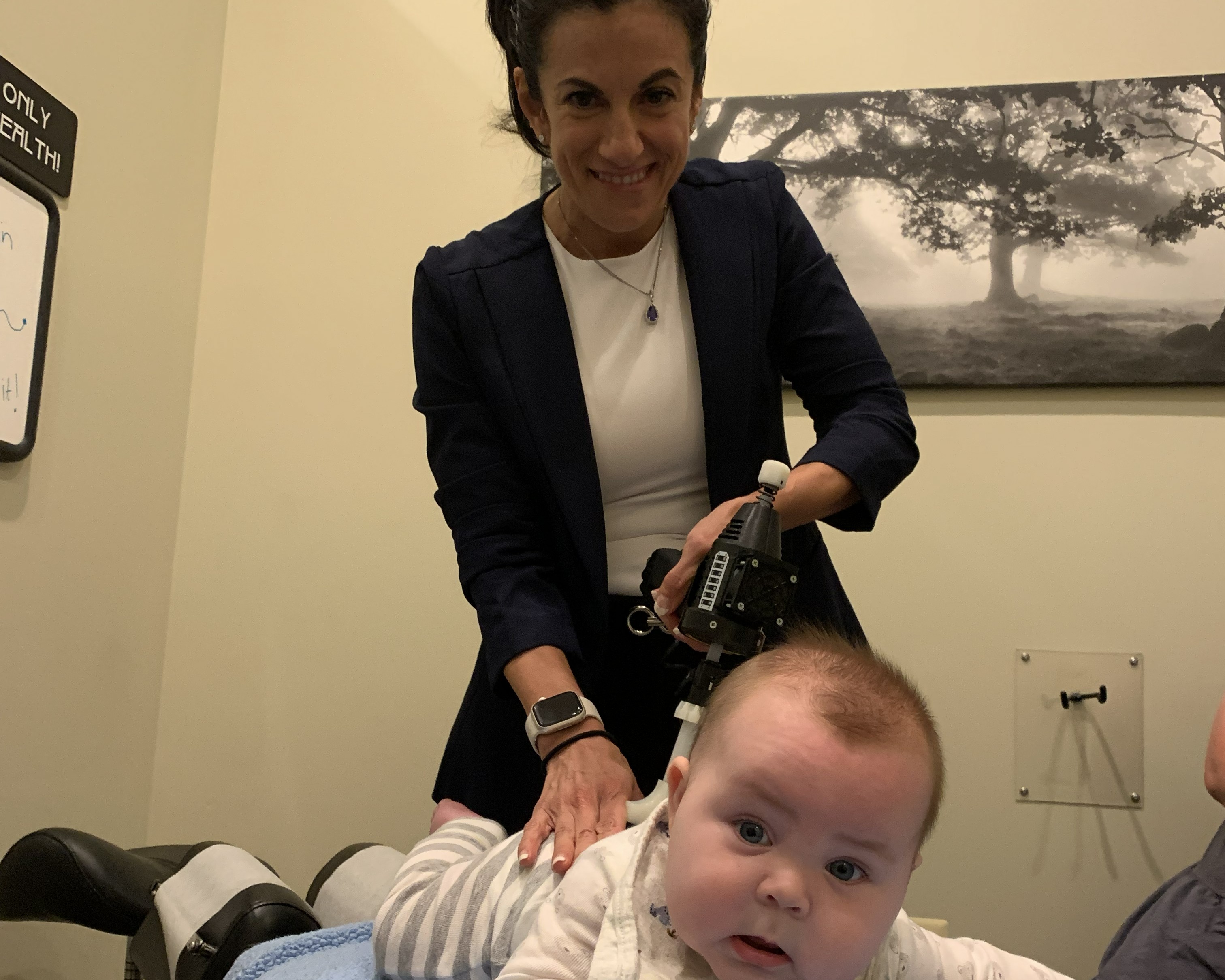
For infants, adjustments often involve light fingertip pressure—about the amount of pressure you’d use to check if a peach is ripe. There’s no twisting, popping, or cracking involved with newborns and young babies. A chiropractor trained in pediatric care uses specialized techniques like the Activator method, craniosacral techniques, or gentle mobilization to release tension and restore proper movement to restricted areas.
For older children and teenagers, adjustments become slightly more dynamic but remain gentle and appropriate for their developing bodies. Many children actually enjoy their adjustments and find them relaxing. Some even fall asleep on the table! The techniques used are always modified based on the child’s comfort level, with the chiropractor constantly communicating and ensuring your child feels safe and at ease.
At Wilderness Family Chiropractic in Fredericksburg, we take extra time to explain everything to both parents and children in age-appropriate language. Kids often watch their parents receive care first, which helps them understand what to expect. We may also demonstrate techniques on a stuffed animal or let children feel the light pressure on their hand before we begin any adjustment.
The goal is never to force anything or cause discomfort. Pediatric chiropractic care should be a positive, gentle experience that supports your child’s natural healing abilities and promotes optimal function as they grow.
Common Conditions Parents Seek Chiropractic Care For
Parents in Fredericksburg bring their children to Wilderness Family Chiropractic for a wide variety of reasons. While chiropractic care doesn’t “treat” diseases or medical conditions, it can support the body’s natural ability to function optimally, which may help with various childhood challenges.
Infants and Newborns: Many parents seek chiropractic evaluation for newborns experiencing difficulty latching during breastfeeding, persistent crying or colic symptoms, torticollis (head tilting to one side), flat spots on the head, sleep difficulties, or digestive discomfort. Research suggests that addressing spinal tension and nervous system stress in newborns may help with some of these common early-life challenges.
Toddlers and Preschoolers: As children become mobile, parents often bring them in after falls or tumbles, for chronic ear discomfort, developmental milestone concerns, balance and coordination challenges, or behavioral regulation support. The constant falls and bumps of learning to walk, run, and climb can create small misalignments that accumulate over time.
School-Aged Children: Elementary and middle school children commonly receive chiropractic care for headaches, growing pains, posture problems from backpack use and desk sitting, sports injuries, difficulty concentrating, and general wellness support. The demands of school—both physical and mental—can create stress that manifests in the musculoskeletal system.
Teenagers: Adolescents often seek chiropractic care for sports-related injuries, text neck and tech posture issues, scoliosis monitoring and management, headaches and migraines, stress and tension-related discomfort, and overall wellness during rapid growth periods. The teenage years involve significant physical changes and often increased athletic demands that can benefit from chiropractic support.
It’s important to note that chiropractic care works best as part of a comprehensive approach to your child’s health. We always encourage maintaining a relationship with your pediatrician and coordinating care when appropriate. At Wilderness Family Chiropractic, we view ourselves as part of your child’s healthcare team, not a replacement for medical care.
Is Pediatric Chiropractic Care Safe? What Research Shows
Safety is understandably the top priority for any parent considering chiropractic care for their child. The good news is that when performed by a properly trained chiropractor, pediatric adjustments are extremely safe and gentle. Research indicates that serious adverse events from pediatric chiropractic care are exceptionally rare.
A comprehensive review in the journal Explore examined pediatric chiropractic care safety and found that adverse events were mild and temporary, such as minor soreness or fussiness that resolved quickly. The International Chiropractic Pediatric Association emphasizes that chiropractors who work with children receive specialized training in pediatric techniques, anatomy, and development.
Multiple studies have examined chiropractic care for specific pediatric concerns. Research published in the Journal of Manipulative and Physiological Therapeutics has explored chiropractic care for infant colic, with some evidence suggesting potential benefits. Studies have also investigated chiropractic care’s role in supporting children with musculoskeletal complaints, finding it to be a safe, conservative approach.
The American Chiropractic Association recognizes pediatric chiropractic as a specialized area within the profession. Chiropractors who focus on pediatric care often complete additional coursework through organizations like the International Chiropractic Pediatric Association or pursue diplomate status in pediatrics through the American Chiropractic Board of Pediatrics.
At Wilderness Family Chiropractic, we maintain high standards for pediatric care. We take detailed health histories, perform thorough examinations appropriate for each age group, use the gentlest techniques available, continuously monitor your child’s response to care, and maintain open communication with parents throughout the process. If we ever identify something outside our scope of practice, we provide appropriate referrals to ensure your child receives the right care.
When to Bring Your Child to See a Chiropractor
Many parents wonder when the right time is to bring their child for a chiropractic evaluation. The truth is that there’s no single “right” answer—it depends on your child’s individual needs and your family’s wellness philosophy.
Some families choose to have their newborns evaluated shortly after birth, especially if the delivery was difficult, involved intervention, was particularly long or very fast, or if the baby shows signs of tension or difficulty with feeding. These early evaluations can identify areas of restriction that may benefit from gentle care.
Consider scheduling an evaluation if your child experiences frequent falls or injuries, shows developmental delays or asymmetries, has chronic ear discomfort or digestive issues, demonstrates poor posture or body mechanics, participates in competitive sports, or has experienced significant physical trauma. These situations don’t necessarily mean something is wrong, but they present opportunities for proactive assessment.
You should seek chiropractic evaluation more promptly if your child complains of persistent pain that doesn’t resolve with rest, shows limited range of motion in their neck or back, has headaches that interfere with daily activities, experiences coordination problems or frequent clumsiness, or demonstrates posture changes like head tilting or shoulder elevation. These signs suggest that something in the musculoskeletal system may need attention.
However, there are certain red flag symptoms that require immediate medical attention rather than chiropractic care. These include fever with neck stiffness, severe headache with vomiting or vision changes, numbness or weakness in the limbs, loss of bowel or bladder control, recent significant trauma with ongoing severe pain, or any sudden neurological symptoms. In these cases, seek emergency medical care first. Once medically cleared, chiropractic care may be appropriate as part of recovery.
Many Fredericksburg families at Wilderness Family Chiropractic choose regular wellness visits—similar to dental checkups—to monitor their children’s spinal health throughout their growth years. These proactive visits help identify small issues before they develop into larger problems and support optimal nervous system function during critical developmental periods.
What to Expect During Your Child’s First Visit
Understanding what happens during your child’s first chiropractic visit can help ease any anxiety you or your child might have. At Wilderness Family Chiropractic in Fredericksburg, Virginia, we’ve designed our pediatric visits to be comfortable, educational, and child-friendly.
The first visit begins with a comprehensive health history. You’ll discuss your pregnancy and delivery, your child’s developmental milestones, any current concerns or symptoms, previous injuries or health challenges, and your family’s overall wellness goals. This conversation helps us understand the full picture of your child’s health and development.
Next comes the examination, which is always age-appropriate and gentle. For infants, this might include observing movement patterns, checking for muscle tension or asymmetries, assessing the spine and cranium with light touch, and evaluating reflexes and general development. For older children, the exam becomes more interactive and may include posture evaluation, range of motion testing, orthopedic and neurological assessments, and discussion of any areas of discomfort.
After the examination, we’ll explain our findings in clear, parent-friendly language. We’ll discuss what we observed, whether chiropractic care seems appropriate, what techniques we recommend, and what kind of care plan might be beneficial. We encourage questions and want you to feel completely comfortable with any care we provide.
If adjustment is recommended and you’re comfortable proceeding, we’ll demonstrate the techniques first and explain everything to your child in age-appropriate terms. The first adjustment is always gentle and conservative. We observe how your child responds before proceeding with additional care. Many children relax completely during their first adjustment, while others may be a bit uncertain—both reactions are perfectly normal.
After the adjustment, we’ll provide guidance on what to expect over the next day or two, any at-home support strategies, when to schedule follow-up visits, and signs of positive response to care. Most children respond beautifully to their first adjustment, though occasionally they may be a bit sleepy or fussy as their body adapts. These responses typically resolve within a day.
Supporting Your Child’s Health at Home
Chiropractic care works best when combined with healthy habits at home. Here are practical strategies Fredericksburg parents can implement to support their child’s spinal health and overall wellness between chiropractic visits.
Promote Good Posture Habits: Encourage proper sitting position while doing homework or using devices, with screens at eye level rather than looking down. Ensure desks and chairs are appropriately sized for your child’s height. Teach them to hold phones at eye level rather than constantly looking down, and remind them to take frequent breaks from sitting every 30 minutes to move and stretch.
Choose the Right Backpack: Select a backpack with wide, padded straps and ensure your child uses both straps rather than slinging it over one shoulder. The total weight should not exceed 10-15% of your child’s body weight. Position the backpack so it sits evenly in the middle of the back, not hanging too low. Consider a rolling backpack for children who need to carry heavy loads.
Encourage Active Play and Movement: Children’s bodies are designed to move. Regular physical activity helps develop strong muscles that support the spine, improves coordination and balance, promotes healthy nervous system function, and reduces stress and tension. Limit screen time and encourage outdoor play, sports, or family activities that get everyone moving.
Create a Sleep-Friendly Environment: Proper sleep position and quality rest are crucial for children’s development. Choose an age-appropriate pillow that supports the natural curve of the neck. Avoid stomach sleeping when possible, as this can strain the neck. Establish consistent bedtime routines that help your child wind down. Ensure the sleep environment is dark, quiet, and comfortable.
Model Healthy Behaviors: Children learn by watching their parents. When you prioritize your own spinal health, practice good posture, stay active, and manage stress effectively, your children are more likely to adopt these same healthy habits. Consider making chiropractic care a family wellness activity where everyone gets adjusted.
Stay Hydrated and Well-Nourished: Proper nutrition supports healthy growth and development, including spinal health. Ensure your child drinks plenty of water throughout the day and eats a balanced diet rich in calcium, vitamin D, and other nutrients that support bone and muscle health. Limit processed foods and excessive sugar, which can contribute to inflammation.
| Age Group | Common Spinal Stressors | Prevention Strategies |
|---|---|---|
| Infants (0-12 months) | Birth trauma, extended time in car seats or carriers, always lying on same side | Tummy time, alternating feeding sides, limiting time in containers, gentle stretching |
| Toddlers (1-3 years) | Frequent falls, learning to walk, pulled by arms, poor sitting posture | Childproofing home, supporting developmental milestones, encouraging varied movement |
| School-Age (4-12 years) | Heavy backpacks, desk sitting, screen time, sports injuries | Proper backpack use, ergonomic study setup, activity breaks, sports safety equipment |
| Teenagers (13-18 years) | Text neck, poor posture, athletic overuse, growth spurts | Posture awareness, proper training techniques, balanced activity, regular stretching |
Myths vs. Facts About Pediatric Chiropractic Care
There are many misconceptions about chiropractic care for children. Let’s address some of the most common myths with evidence-based facts.
Myth: Chiropractic adjustments for children are just like adult adjustments
Fact: Pediatric adjustments are dramatically different from adult adjustments. They use extremely light pressure—often no more than the pressure you’d use to test fruit ripeness. There’s no twisting, cracking, or forceful manipulation involved with infants and young children. Chiropractors trained in pediatrics use specialized, gentle techniques specifically designed for developing bodies.
Myth: Children’s bones and spines are too fragile for chiropractic care
Fact: While children’s bones are indeed growing and developing, this doesn’t make them too fragile for appropriate care. In fact, the gentle techniques used in pediatric chiropractic are well-suited to children’s anatomy. Research shows that pediatric chiropractic care, when performed by trained professionals, has an excellent safety record. Children’s bodies are remarkably resilient and often respond beautifully to gentle, specific adjustments.
Myth: Chiropractic care can cure childhood illnesses and diseases
Fact: Chiropractic care doesn’t cure diseases. Instead, it focuses on removing interference to the nervous system and supporting optimal musculoskeletal function, which may help the body function at its best. While some parents report improvements in various childhood challenges when their child receives chiropractic care, we cannot and do not claim to treat specific diseases. We support the body’s natural healing abilities through proper spinal and nervous system function.
Myth: You only need to bring your child if they’re experiencing pain
Fact: Many families use chiropractic care proactively as part of their wellness routine, similar to regular dental checkups. Children often don’t experience pain the same way adults do and may not communicate discomfort until it becomes significant. Regular wellness checks can identify small issues before they develop into larger problems and support optimal development throughout the growth years.
Myth: Once you start chiropractic care for your child, you have to continue forever
Fact: The frequency and duration of chiropractic care depend entirely on your child’s individual needs and your family’s wellness goals. Some families choose regular wellness visits throughout childhood, while others seek care for specific issues and discontinue once the concern resolves. At Wilderness Family Chiropractic, we provide honest recommendations but respect each family’s choices about their care plan.
Final Thoughts for Fredericksburg Families
Pediatric chiropractic care offers Fredericksburg families a safe, gentle, drug-free approach to supporting their children’s health and development. Whether you’re seeking help with a specific concern or simply want to support your child’s wellness proactively, chiropractic care can be a valuable part of your family’s healthcare approach.
At Wilderness Family Chiropractic in Fredericksburg, Virginia, we’re passionate about helping children in our community grow up healthy and strong. We understand that every child is unique, and we tailor our approach to your family’s specific needs and comfort level. We take time to answer your questions, address your concerns, and ensure that both you and your child feel completely at ease throughout the process.
Remember that chiropractic care is not a replacement for medical care but rather a complementary approach that can work alongside your pediatrician’s recommendations. We believe in a collaborative approach to children’s health and are always happy to coordinate care with other healthcare providers when appropriate.
If you’re curious about whether pediatric chiropractic care might benefit your child, we invite you to reach out. Many parents start with a simple consultation where we can discuss your concerns, answer your questions, and help you determine whether chiropractic care is right for your family. There’s no pressure—just honest, caring guidance from professionals who are dedicated to supporting the health of Fredericksburg’s children.
Your child’s health is precious, and we’re honored to be part of your family’s wellness journey. Here in Fredericksburg, we’re committed to providing the highest quality pediatric chiropractic care in a warm, welcoming environment where children feel safe and parents feel informed and empowered.
Frequently Asked Questions
At what age can a baby receive chiropractic care?
Babies can be evaluated and receive gentle chiropractic care from birth. Many parents bring their newborns for an evaluation within the first few weeks of life, particularly after difficult deliveries. The techniques used on newborns are extremely gentle and specifically designed for their delicate anatomy.
How long does a typical pediatric chiropractic appointment take?
Initial pediatric appointments typically take 30-45 minutes to allow time for health history, examination, and explanation of findings. Follow-up appointments are usually shorter, around 15-20 minutes. We always allow extra time for children who need it to feel comfortable and for parents to ask questions.
Will my child’s adjustment hurt or make cracking sounds?
Pediatric adjustments should not hurt. Most children find them relaxing and comfortable. Infants and young children’s adjustments typically do not produce any cracking sounds—the techniques are so gentle there’s nothing to crack. Older children and teens may occasionally hear releases similar to adults, but the adjustments remain gentle and age-appropriate.
How many visits will my child need?
This varies greatly depending on your child’s age, the nature of their concern, and your family’s wellness goals. Some children need only a few visits for acute issues, while others benefit from ongoing wellness care throughout their growth years. We’ll provide honest recommendations based on your child’s specific situation and respect your family’s preferences.
Does insurance cover pediatric chiropractic care?
Many insurance plans include chiropractic coverage that extends to pediatric care, though coverage varies significantly by plan. We recommend contacting your insurance provider to understand your specific benefits. Our office can also help you navigate insurance questions and provide documentation as needed.
Can chiropractic care help with my child’s behavior or focus issues?
While chiropractic care doesn’t treat behavioral or attention disorders directly, some parents report improvements in their child’s behavior, focus, or mood when receiving regular chiropractic care. This may be related to reduced physical discomfort, improved sleep quality, or better overall nervous system function. We view chiropractic care as one piece of a comprehensive approach that may include proper nutrition, adequate sleep, appropriate discipline, and other supportive interventions.
TL;DR – Key Takeaways
- Pediatric chiropractic care uses extremely gentle techniques specifically designed for children’s developing bodies—nothing like adult adjustments.
- Chiropractic care is safe for children of all ages when performed by properly trained professionals, with research supporting its safety profile.
- Children can benefit from chiropractic evaluation after birth, following injuries, during growth spurts, or as part of proactive wellness care.
- Common concerns parents seek chiropractic care for include feeding difficulties in infants, posture problems, growing pains, sports injuries, and general wellness support.
- At-home strategies like proper backpack use, good posture habits, regular movement, and quality sleep support your child’s spinal health between chiropractic visits.