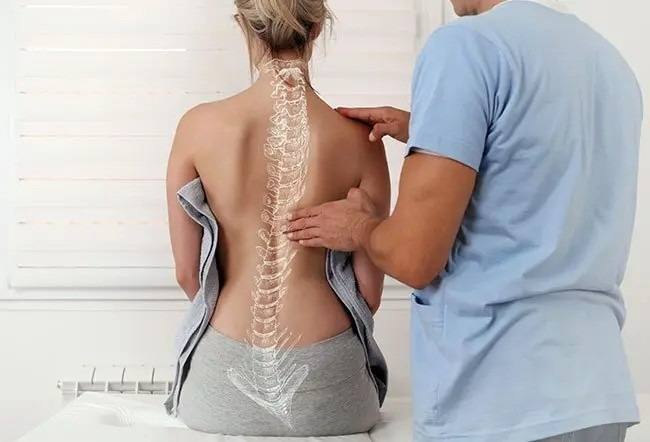

As a local chiropractor, I want to emphasize the importance of flexibility and mobility in your overall health and well-being. These two factors are crucial not only for your fitness journey but also for your daily activities and athletic performance. By incorporating effective warm-up and cool-down techniques into your routine, you can significantly enhance your range of motion, which can help prevent injuries.
Many of my patients are surprised to learn that simple adjustments to their daily habits can lead to remarkable improvements in their flexibility and mobility. It’s not just about stretching; it’s about understanding how your body moves and functions. Let’s delve into some essential components that can support you in achieving optimal flexibility and mobility, and how chiropractic care can assist in this journey to enhance your overall quality of life.
Understanding Flexibility and Mobility
As a local chiropractor, I want to emphasize the importance of flexibility and mobility in your overall health and wellness journey. Many people overlook these essential components of physical fitness, but they play a critical role in how our bodies function daily.
Flexibility is often thought of as merely the ability to stretch your muscles, which indeed allows for a greater range of motion in your joints. This increased flexibility helps you perform everyday activities with ease, minimizes the risk of injury, and can significantly enhance your athletic performance.
On the other hand, mobility is about moving freely and easily, and it involves a combination of strength, stability, and coordination. Both flexibility and mobility work hand-in-hand to support your body’s natural movements.
As a chiropractor, I encourage you to incorporate specific exercises and stretches designed to target various muscle groups and joints. This practice goes beyond simply bending and reaching; it’s about promoting functional movement that contributes to your overall health.
By improving your flexibility and mobility, you can expect to see benefits such as better posture, improved balance, and enhanced physical performance.
I invite you to make a commitment to include flexibility and mobility exercises in your fitness routine. Your body will thank you for it, not only in the short term but also in the long run.
The Importance of Warm-Up and Cool-Down
As a local chiropractor, I want to emphasize the critical role that warming up and cooling down play in your overall health and fitness routine.
Before you dive into any workout, taking the time to warm up is essential. It prepares your body for the physical activity ahead, helping to prevent injuries that can arise from sudden exertion.
Equally important is the cool-down phase after your workout. This practice isn’t merely a formality; it allows your muscles to recover properly and supports flexibility, which is crucial for maintaining a healthy range of motion.
By incorporating these practices into your routine, you can enhance your performance, reduce the risk of injury, and promote overall well-being.
At our chiropractic clinic, we believe in the power of natural healing and the body’s ability to recover when given the right tools.
Let’s work together to optimize your fitness journey through effective warm-up and cool-down techniques.
Benefits of Warm-Up
As a local chiropractor, I want to emphasize the importance of warming up before your workouts, especially if you’re new to chiropractic care and natural healing.
While it may be tempting to jump right into your exercise routine, dedicating time for a proper warm-up is essential for both injury prevention and performance enhancement.
When you warm up, you gradually increase your heart rate and boost blood flow to your muscles, effectively preparing your body for more strenuous activity. This process not only helps to improve your range of motion but also enhances your flexibility and mobility, which are vital for executing exercises safely and effectively.
Moreover, a good warm-up activates your muscles and joints, significantly lowering the risk of strains and sprains, which are common injuries that can sideline your fitness journey.
It’s also worth noting that warming up has mental benefits; it prepares you for the workout ahead, helping you focus and set your intentions.
Incorporating a warm-up into your routine not only sets the stage for a more effective workout but also maximizes your results while keeping you safe.
Essential Cool-Down Techniques
As a local chiropractor dedicated to your wellness, I want to emphasize the importance of cooling down after your workouts. Many people overlook this crucial phase, but it’s essential for helping your body transition back to a resting state, promoting recovery, and minimizing muscle soreness.
Start with some light aerobic activity, such as walking or slow cycling, for about 5 to 10 minutes. This gradual decrease in intensity helps lower your heart rate safely.
Next, incorporate static stretching, focusing on the major muscle groups you’ve worked during your session. Holding each stretch for 15 to 30 seconds can enhance your flexibility and alleviate tension.
I also recommend practicing deep breathing throughout this process, as it can significantly aid in relaxation.
Remember, cooling down isn’t just a box to check off; it plays a vital role in maintaining your mobility and enhancing your overall fitness. By prioritizing this important step, you can maximize the benefits of your workouts and support your body’s natural healing processes.
Your health is our priority, and taking care of your body after exercise is a key part of that journey.
Preventing Injuries Effectively
As your local chiropractor, I want to emphasize the importance of incorporating a proper warm-up and cool-down routine into your workouts. This practice is vital not only for preventing injuries but also for supporting your overall health and long-term fitness success.
A dynamic warm-up is essential as it increases blood flow to your muscles, enhances flexibility, and prepares your body for the physical demands of exercise. This is your opportunity to activate key muscle groups and improve your range of motion, which can significantly reduce the risk of injury during your workout.
On the other hand, a cool-down is equally important. It helps your body transition back to a resting state, minimizing muscle stiffness and soreness after exercising. Engaging in stretching during this phase aids in recovery and helps maintain your flexibility, which is key for overall mobility and well-being.
I urge you not to overlook these crucial steps in your fitness routine. By committing to a proper warm-up and cool-down, you can set the foundation for effective workouts and promote longevity in your fitness journey.
Prioritizing these practices will greatly lower your risk of injury, allowing you to enjoy a healthier, more active lifestyle. Remember, your body deserves this care!
Effective Stretching Techniques
As a local chiropractor, I want to share some insights on how effective stretching techniques can greatly improve your flexibility and overall mobility. Many people may not realize the importance of incorporating these techniques into their daily routine.
For instance, dynamic stretching is a fantastic way to warm up your muscles before any physical activity, preparing your body for movement. On the other hand, static stretching is ideal for cooling down after your workout, as it can help increase your range of motion and promote relaxation.
Moreover, I encourage you to explore proprioceptive neuromuscular facilitation (PNF) stretching. This advanced technique not only enhances your flexibility but also helps in muscle recovery and injury prevention.
Dynamic Stretching Benefits
As a local chiropractor, I often see patients who aren’t familiar with the benefits of dynamic stretching and how it can greatly improve your flexibility and mobility. This technique involves engaging in active movements that help stretch your muscles and expand your range of motion. By integrating dynamic stretches into your routine, you not only prepare your body for physical activity but also significantly reduce the risk of injuries.
Dynamic stretching works by elevating your heart rate, improving circulation, and activating your muscles, which makes them more responsive during physical activities. This can be particularly beneficial for those of you who might be new to exercise or are recovering from an injury.
Additionally, these stretches enhance coordination and balance—two vital components for any athletic pursuit. You may find that dynamic stretching can boost your overall performance, enabling greater agility and quicker movements.
Whether you’re warming up before a workout or transitioning to a cool-down phase, incorporating dynamic stretching can be a transformative practice for anyone looking to enhance their flexibility and mobility. As your chiropractor, I encourage you to explore this natural approach to improving your physical well-being.
Static Stretching Techniques
As a chiropractor dedicated to promoting natural healing and overall wellness, I want to share the importance of static stretching in enhancing your flexibility and fostering muscle relaxation.
By including these effective stretches in your daily routine, you can significantly improve your overall mobility and support your chiropractic care. Here are four static stretching techniques I recommend you try:
- Hamstring Stretch: Sit on the floor and extend one leg out in front of you while gently reaching for your toes. This stretch targets the back of your thigh and helps alleviate tension in your hamstrings.
- Quadriceps Stretch: Stand on one leg, using your hand to pull your opposite foot towards your glutes. This technique stretches the front of your thigh and can help counteract tightness from prolonged sitting.
- Shoulder Stretch: Bring one arm across your body and use your other arm to gently pull it closer. This deep shoulder stretch promotes better posture and alleviates shoulder tension, which is especially beneficial for those who work at a desk.
- Hip Flexor Stretch: Kneel on one knee and push your hips forward gently. This stretch opens up the front of your hips, which can become tight from daily activities and contributes to lower back discomfort.
Incorporating these stretches into your routine not only enhances flexibility but also complements your chiropractic treatments by supporting your body’s natural healing processes.
Proprioceptive Neuromuscular Facilitation
As a local chiropractor, I want to share some valuable insights about enhancing your flexibility and mobility through a technique called Proprioceptive Neuromuscular Facilitation (PNF).
This method is a fantastic complement to traditional static stretching, offering even greater effectiveness in improving your overall range of motion.
PNF works by combining stretching with muscle contraction, which can significantly boost your flexibility. To practice PNF, it’s helpful to have a partner or use a wall for support.
Begin by gently stretching a muscle to its comfortable limit. Then, engage that muscle against some resistance for about 5-10 seconds. After the contraction, allow the muscle to relax and then stretch it a bit deeper.
Repeating this cycle a few times can lead to noticeable improvements in flexibility.
This technique is particularly advantageous for athletes and individuals recovering from injuries, as it promotes both strength and flexibility.
By integrating PNF into your regular routine, you can experience significant enhancements in your mobility and overall physical well-being.
If you’re looking to explore natural healing methods to support your health, consider adding PNF to your flexibility practices!
Targeted Exercises for Increased Mobility
As a local chiropractor, I want to emphasize the importance of mobility for your overall well-being. Many people might think of flexibility as something only associated with yoga or traditional stretching, but targeted exercises can significantly improve your mobility in everyday life.
These exercises are designed to focus on specific muscle groups and joints, allowing you to move more freely and efficiently throughout your day. Below are four effective targeted exercises that I recommend incorporating into your routine:
- Hip Flexor Stretch: Begin by kneeling on one knee. Gently push your hips forward, and you should feel a stretch in your hip flexors. Hold this position for 30 seconds on each side. This stretch is vital for maintaining hip health and improving movement.
- Thoracic Spine Rotation: Sit comfortably on the floor with your legs crossed. Place one hand on the opposite knee and gently twist your torso. This exercise enhances spinal mobility and can alleviate tension in your back. Hold for 15 seconds on each side.
- Ankle Mobility Drill: Stand with your feet shoulder-width apart. Bend your knees slightly and shift your weight forward over your toes. This motion increases ankle flexibility, which is crucial for stability and balance.
- Wall Angels: Position yourself against a wall and slide your arms up and down while maintaining contact. This exercise helps improve shoulder mobility, which is essential for various daily activities.
Incorporating these targeted exercises into your daily routine can lead to better mobility and overall health.
As your chiropractor, I encourage you to take these steps toward enhancing your body’s natural ability to move and function!
Incorporating Mobility Work Into Your Routine
As a local chiropractor, I want to share how you can seamlessly incorporate mobility work into your daily routine for better health and well-being. It doesn’t have to be complicated or time-consuming—start by dedicating just a few minutes each day. You can begin with simple stretches or dynamic movements during your morning rituals. For instance, try gentle hip circles or shoulder rolls while you brush your teeth. These small efforts can lead to significant improvements in your mobility.
Additionally, it’s beneficial to include mobility exercises in your warm-up before workouts and as part of your cool-down afterward. This practice not only prepares your body for activity but also aids in recovery.
I also recommend setting reminders on your phone to encourage short breaks for mobility work throughout your day, especially if you find yourself sitting for long periods. Use these breaks to perform stretches or mobility drills that focus on areas of tightness.
Moreover, being mindful of your posture and body mechanics during daily activities can make a remarkable difference in your mobility. Simple adjustments in how you sit or stand can enhance your overall function.
By consistently integrating these mobility practices into your daily life, you’ll likely experience increased flexibility and a broader range of motion, which can greatly enhance your physical performance and overall health.
Tools and Resources for Better Flexibility
As a local chiropractor, I want to emphasize the importance of incorporating mobility work into your daily routine to lay the groundwork for improved flexibility.
By utilizing the right tools and resources, you can significantly enhance your efforts toward achieving a more flexible and healthier body. Here are some essential items I recommend for my patients:
1. Foam Roller: This is a fantastic tool for self-myofascial release, which helps relieve tight muscles and boost circulation.
By using a foam roller, you can effectively reduce muscle soreness and improve your overall mobility.
2. Resistance Bands: These versatile bands are excellent for dynamic stretching and can add resistance to your mobility exercises.
This dual action not only promotes strength but also enhances flexibility, making them a valuable addition to your routine.
3. Yoga Block: If you’re looking to deepen your stretches safely, a yoga block can provide the necessary support for various poses.
This tool can assist you in achieving better alignment and stability, especially if you’re new to certain stretches.
4. Stretching Strap: A stretching strap is an invaluable resource for targeting those hard-to-reach areas.
It allows you to perform effective static stretching, ultimately improving your range of motion and flexibility.
By incorporating these tools into your routine, you can support your body’s natural healing processes and enhance your overall well-being.
Common Mistakes to Avoid
As a chiropractor focused on promoting natural healing and overall wellness, I often see patients overlook crucial elements of mobility work that can significantly impact their flexibility and recovery.
One prevalent mistake is skipping warm-ups. This vital step prepares your body for movement, helping to prevent injuries and enhance your range of motion.
Another common pitfall is the tendency to push too hard during stretches. While it might seem appealing to achieve maximum depth, overextending can lead to strain rather than improvement. It’s essential to listen to your body and stretch within a comfortable range.
Additionally, remember to address all muscle groups; focusing solely on specific areas can create imbalances that may affect your overall mobility.
I also notice that many people rush through their routines. Taking your time is vital—it allows your muscles to relax and lengthen effectively, promoting better outcomes.
Lastly, don’t underestimate the power of your breath. Controlled breathing can enhance your stretches, making them more effective and helping you connect with your body.
By avoiding these common mistakes, you can lay a strong foundation for improving your flexibility and mobility. Stay mindful of your approach, and you’ll likely experience better results in your journey toward wellness.
If you have questions or need guidance, feel free to reach out—I’m here to help you understand and embrace chiropractic care as part of your health routine.
Tracking Progress and Staying Motivated
As you embark on your journey to improve your flexibility and mobility, it’s vital to track your progress to stay motivated and focused on your healing goals.
Visualizing your improvements can enhance your commitment to chiropractic care and natural healing. Here are four effective ways to monitor your progress:
1. Keep a Journal: I encourage you to document your daily or weekly exercises. Note your range of motion and any improvements you experience.
This can help you understand how your body responds to chiropractic adjustments and other natural therapies.
2. Take Photos: Consider taking progress pictures that capture your flexibility over time.
Visual evidence of your improvement can be incredibly motivating and help you appreciate the changes in your body.
3. Set Milestones: Break your ultimate goal into smaller, achievable targets.
Celebrate each accomplishment along the way. This can help you maintain a positive mindset and reinforce the benefits of the treatments you’re receiving.
4. Use Apps or Wearables: I recommend utilizing fitness apps or wearable devices to monitor your workouts and flexibility metrics.
These tools can provide you with real-time feedback and help you stay on track with your wellness journey.
As your chiropractor, I’m here to support you in this process and ensure you achieve your goals in a safe and effective manner.