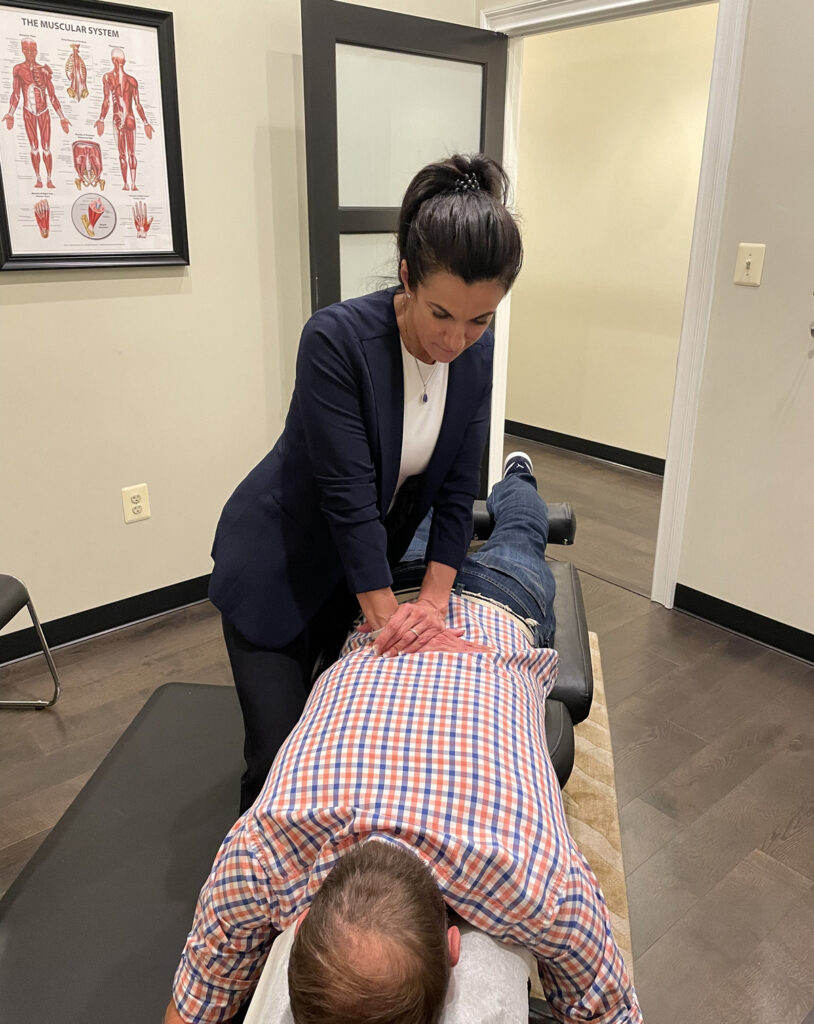

As your local chiropractor, I want to emphasize how crucial good posture is for your overall health. Many people don’t realize that poor alignment can lead to not only discomfort and fatigue but also a lack of focus in daily activities. By making some simple adjustments to your daily habits, you can greatly enhance your well-being.
If you’re curious about how to identify and correct posture issues, I’m here to help! Let’s discuss some practical steps you can take to improve your posture. By doing so, you can significantly boost your quality of life and enjoy the benefits of natural healing. Remember, good posture isn’t just about standing tall—it’s about creating a balanced body that supports your overall health.
The Importance of Posture for Overall Health
As a local chiropractor, I want to emphasize the crucial role that good posture plays in your overall health and well-being. When you adopt proper posture, not only do you project confidence, but you also provide essential support to your body. Maintaining an aligned spine is key to reducing unnecessary strain on your muscles and joints, which can lead to discomfort over time.
One of the great benefits of good posture is its impact on your breathing. Proper alignment allows your lungs to expand fully, increasing oxygen flow throughout your body. This enhanced oxygenation can elevate your energy levels and sharpen your focus, helping you be more productive in your daily activities.
Additionally, practicing good posture can help you avoid common aches and pains, especially in the back and neck. By learning how to sit or stand correctly, you significantly lower your risk of developing chronic issues often associated with slouching or misalignment.
You’ll also experience improvements in your digestion, as good posture contributes to the efficient functioning of your digestive organs.
I encourage you to be mindful of your posture and consider how it affects your health. If you’re interested in learning more about how chiropractic care can support better posture and overall wellness, I invite you to reach out for a consultation. Together, we can work towards a healthier you!
Common Posture Issues and Their Effects
As your local chiropractor, I want to shed light on how prevalent posture issues, such as slouching and forward head posture, are and the significant impact they can have on your daily life.
Many people may not realize that these common habits can lead to discomfort, including back pain, and can even affect your breathing.
Understanding how these postural issues develop is crucial for your overall well-being, and I’m here to guide you on how to improve them naturally.
Together, we can explore effective strategies to enhance your posture and, in turn, your quality of life.
Slouching and Back Pain
As a local chiropractor, I often see patients struggling with slouching and the back pain that comes with it. This common posture issue can lead to significant discomfort and strain on your spine.
When you hunch over, it weakens the muscles in your back and core, which can result in chronic pain, stiffness, and even fatigue. Many patients notice that slouching not only affects their physical health but can also impact their energy levels and mood.
Over time, poor posture can lead to more serious conditions, such as herniated discs or nerve damage. That’s why it’s crucial to be mindful of how you sit and stand throughout the day.
I encourage you to practice good posture by sitting and standing tall, engaging your core, and taking regular breaks to stretch. These simple changes can make a big difference in your back health and overall well-being.
As your chiropractor, I’m here to help you understand the importance of maintaining a healthy posture and provide you with the tools and treatments needed to alleviate pain and promote natural healing.
Together, we can work towards improving your posture and enhancing your quality of life.
Forward Head Posture
As a local Chiropractor, I often see patients struggling with a posture issue known as forward head posture, which commonly accompanies slouching. This occurs when your head juts forward, often as a result of spending long hours in front of screens or having poor ergonomic setups.
You may find that your neck feels tight or that you experience discomfort in your shoulders. This type of posture can place significant strain on the muscles in your neck and upper back, potentially leading to headaches and fatigue.
When your head shifts forward, it can also disrupt the natural alignment of your spine, which might lead to more serious issues if not addressed. To help combat forward head posture, I encourage you to be mindful of your positioning, especially when sitting or using any devices.
In addition, integrating regular stretching and strengthening exercises for your neck and upper back into your routine can be incredibly beneficial. These practices not only help restore balance but also alleviate discomfort, promoting better overall posture.
Impact on Breathing
As a chiropractor, I often see firsthand how poor posture can significantly affect our overall health, particularly our breathing. Many people may not realize that how we sit or stand can have a profound impact on our respiratory system.
When you slouch or hunch over, your diaphragm and lungs are restricted, which makes it challenging to take deep, nourishing breaths. This shallow breathing can limit your oxygen intake, leading to fatigue and increased stress levels.
Let me share three key ways poor posture can influence your breathing:
- Reduced Lung Capacity: When you slouch, your chest is compressed, which restricts airflow into your lungs. This can prevent you from taking full, deep breaths.
- Increased Stress Levels: Shallow breathing is often associated with elevated cortisol levels, which can contribute to feelings of anxiety and tension. Proper posture allows for better breathing, which can help manage stress.
- Decreased Oxygen Supply: Poor posture can hinder the movement of your diaphragm, leading to reduced oxygen delivery to your vital organs. This can affect your energy levels and overall well-being.
At our clinic, we focus on helping you achieve optimal posture through chiropractic adjustments and education, which can enhance your breathing and support your overall health.
Ergonomic Adjustments for Your Workspace
As a local chiropractor, I’m here to help you understand how to create a workspace that promotes better posture and supports your spine’s health. One of the first steps is to ensure your chair is adjusted so that your feet rest flat on the floor, and your knees are at a comfortable 90-degree angle. This positioning is essential for maintaining proper alignment and reducing strain on your back.
Your desk height is also crucial; it should be at elbow level, allowing your arms to rest comfortably while you type. I highly recommend using a chair that offers lumbar support, as this helps maintain the natural curve of your spine, which is vital for preventing discomfort and injury.
Next, let’s talk about your computer monitor. It should be positioned at eye level and about an arm’s length away from you. This alignment prevents unnecessary strain on your neck and eyes, which can lead to headaches and other issues over time.
If you work on a laptop, consider using a stand to elevate it or pairing it with an external keyboard for better ergonomics.
Don’t overlook your mouse, either; it should be placed close to your keyboard to minimize reaching and reduce tension in your shoulders.
Lastly, remember the importance of taking regular breaks to stand up, stretch, or walk around. These small actions can significantly enhance your posture and overall comfort, creating a more productive workspace.
Exercises to Strengthen Posture
As your local chiropractor, I want to share with you the importance of strengthening your posture through targeted exercises. Improving your posture is essential for maintaining a healthy spine and overall body alignment.
To achieve this, we should focus on three key components: strengthening your core, enhancing flexibility through stretching, and boosting your balance and stability.
Strengthening your core is fundamental, as it provides the support your spine needs. Engaging in exercises that target your abdominal and back muscles can significantly improve your posture over time.
Additionally, incorporating stretching into your routine is crucial for enhancing flexibility, which helps prevent tightness and discomfort that can lead to poor alignment.
Finally, balance and stability exercises are vital for ensuring that your body can maintain proper posture throughout daily activities.
By working on these areas, we can create a stronger foundation that supports your spine and promotes better alignment.
Let’s work together to explore these exercises and how they can positively impact your posture and overall well-being.
Core Strengthening Exercises
As a local chiropractor dedicated to your health and well-being, I want to emphasize the importance of strengthening your core for better posture and overall stability. A robust core not only supports your spine but also helps you maintain a healthy, upright position.
Let me introduce you to three effective core strengthening exercises that you can easily integrate into your daily routine:
- Plank: Begin by holding a plank position, ensuring your body forms a straight line from head to heels. Aim to maintain this position for 30 seconds to a minute. This exercise is fantastic for building endurance in your core muscles.
- Bird-Dog: Start on all fours, with your hands directly under your shoulders and knees under your hips. Extend one arm forward while simultaneously extending the opposite leg back. Hold this position for a few seconds to engage your core, then switch sides. This exercise not only strengthens your core but also improves balance and coordination.
- Dead Bug: Lie on your back with your arms extended toward the ceiling and your legs raised, bent at the knees. Carefully lower one arm and the opposite leg toward the floor while keeping your lower back pressed against the ground. This movement helps enhance core stability and control.
Incorporating these exercises into your routine can significantly improve your posture and overall core strength, which aligns with the principles of chiropractic care and natural healing.
A strong core is vital for supporting your spine and enhancing your overall health, so I encourage you to give these exercises a try!
Stretching for Flexibility
As a local chiropractor, I want to emphasize the importance of stretching alongside core exercises in your journey to optimal health. While core workouts are essential for building strength, stretching plays a crucial role in improving flexibility and enhancing your overall posture.
By incorporating regular stretching into your daily routine, you can effectively lengthen tight muscles, increase your range of motion, and promote better alignment throughout your body.
Many of us experience tightness in areas such as the chest, shoulders, and hip flexors, often due to poor posture or prolonged sitting. Simple yet effective stretches, like the chest opener and seated forward bend, can make a remarkable difference in how your body feels and functions.
I recommend holding each stretch for at least 15-30 seconds and repeating them a few times for the best results.
Don’t forget to take deep breaths during your stretches; this helps relax your muscles and enhances the effectiveness of the stretches.
By prioritizing flexibility in your routine, you’ll not only improve your posture but also find it easier to engage in daily activities without discomfort.
Balance and Stability Work
As a chiropractor, I often emphasize the importance of balance and stability exercises in fostering optimal posture and spinal health. Engaging the muscles that support your spine is crucial for maintaining alignment and preventing discomfort.
By incorporating these exercises into your daily routine, you can significantly enhance your core strength and body awareness. Here are three effective exercises I recommend for my patients:
- Single-Leg Stands: Begin by standing on one foot for 30 seconds, ensuring that your core is engaged. This exercise not only strengthens your leg muscles but also targets your core, which is vital for supporting your spine. Switch legs and repeat to promote balance on both sides of your body.
- Plank Variations: Holding a plank position is an excellent way to build core strength. Focus on maintaining a straight line from your head to your heels. You can also try side planks to engage different muscle groups, enhancing your overall stability.
- Balance Board Exercises: If you have access to a balance board, it can be a fun and effective way to challenge your stability. Stand on the board and practice shifting your weight from side to side, which will help improve your coordination and strengthen the muscles that support your spine.
Incorporating these exercises into your routine can greatly benefit your posture and overall health.
If you have any questions about how these exercises can fit into your chiropractic care plan, feel free to ask during your next visit!
Mindfulness and Body Awareness Techniques
As a local chiropractor, I want to share how mindfulness and body awareness techniques can significantly improve your posture and overall well-being. Many of my patients are unaware of the profound impact that connecting with their bodies in the present moment can have on their health. By paying attention to your physical sensations, you can develop a better understanding of how your body feels in various positions.
A great starting point is simple breathing exercises. As you take deep breaths, envision your spine lengthening with each inhale, and with each exhale, consciously release any tension in your shoulders. This practice not only promotes relaxation but also helps you become more attuned to your body.
Incorporating body scans into your routine can further enhance your awareness. This involves mentally checking in with different parts of your body, allowing you to identify areas of stiffness or discomfort. By recognizing these sensations, you can make conscious adjustments to your posture throughout the day.
Engaging in practices such as yoga or tai chi can also bolster your body awareness. These exercises promote flexibility and strength, helping to reinforce proper alignment.
By integrating mindfulness into your daily life, you won’t only enhance your posture but also foster a deeper connection with your overall health. I encourage you to embrace these techniques. As you do, you may find that your posture improves, and you feel more in tune with your body and well-being.
Tips for Maintaining Good Posture Throughout the Day
As a local chiropractor, I want to emphasize the importance of maintaining good posture throughout your daily activities. Many people are unaware of how their body positioning can impact their overall health, especially during common tasks like sitting at a desk or using a smartphone.
Here are three essential tips to help you stay aligned and support your spine:
- Optimize Your Workspace: It’s crucial to ensure that your chair, desk, and computer monitor are set up correctly. Your feet should rest flat on the ground, and your elbows should bend at a 90-degree angle when typing. Proper ergonomics can significantly reduce strain on your back and neck.
- Select Supportive Seating: Invest in a chair that provides adequate support for your lower back. I often recommend using a lumbar cushion or roll to help maintain the natural curve of your spine. This added support can make a big difference in your comfort levels throughout the day.
- Incorporate Regular Breaks: It’s important to take frequent breaks from sitting. I advise setting a timer to remind yourself to stand up, stretch, or take a short walk every hour. This practice not only alleviates muscle fatigue but also encourages better blood circulation and keeps your body engaged.
By following these tips, you can promote better posture and overall spinal health.
The Long-Term Benefits of Improved Posture
As a local chiropractor, I want to emphasize the importance of good posture, not just for immediate comfort but for its long-term benefits to your overall health. Many individuals may not realize that by maintaining proper posture, you can significantly reduce your risk of chronic pain, especially in areas like your back, neck, and shoulders. This can lead to fewer visits to the doctor and a decreased dependence on pain medications.
Beyond physical health, good posture can also enhance your confidence and self-esteem. When you stand tall and hold yourself upright, you send positive signals to those around you, as well as to yourself, which can foster a more optimistic mindset.
Additionally, maintaining good posture improves your breathing and circulation, allowing essential nutrients to reach your organs more effectively. You may also find that improved posture aids in digestion and decreases feelings of fatigue, as your body operates more efficiently.
By committing to better posture, you’re not just aiming to look good—you’re making an investment in your long-term health and wellness. I encourage you to take small steps towards improving your posture today, and you’ll be able to enjoy the benefits for years to come.
If you have any questions or need guidance, don’t hesitate to reach out—I’m here to help!