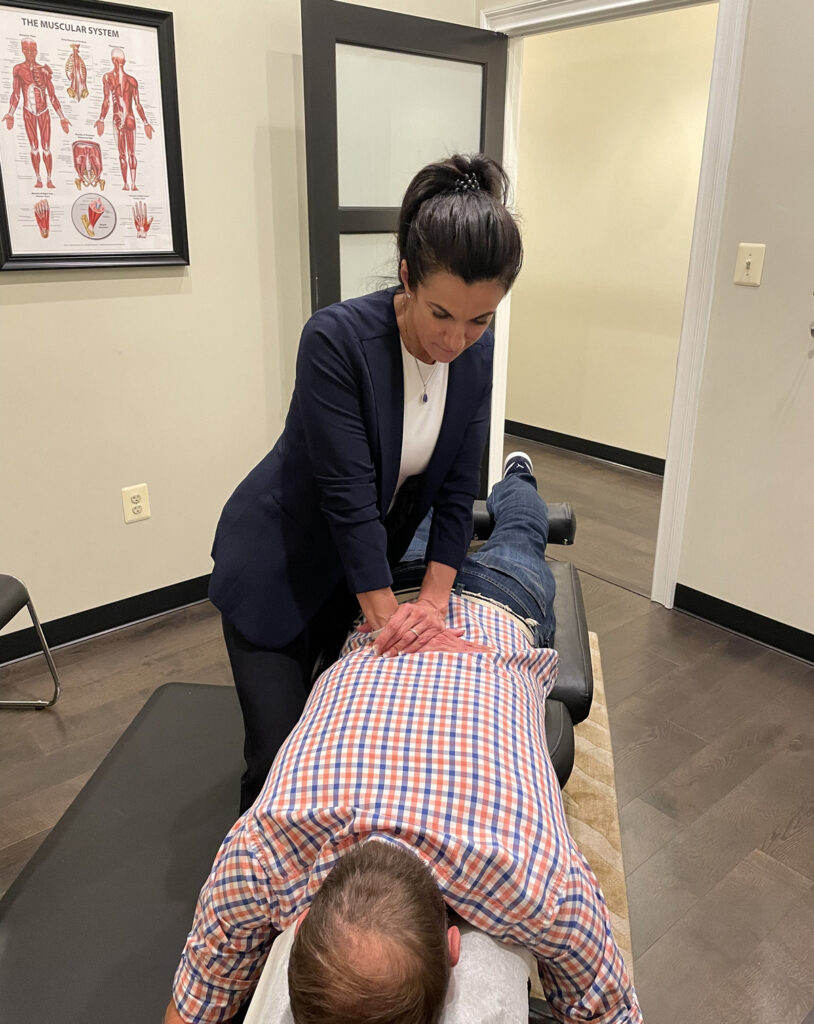


Whether you’re a weekend warrior hitting the trails along the Rappahannock River or a competitive athlete pushing your limits at local competitions, your body takes a tremendous amount of stress with every training session. Performance isn’t just about how hard you work — it’s about how well your body recovers, moves, and functions as a whole. That’s where chiropractic care for athletes comes in. More and more athletes here in Fredericksburg, VA are turning to chiropractic care not just when something hurts, but as a proactive strategy for getting the most out of their bodies. At Wilderness Family Chiropractic, Dr. Christine Stewart works with active individuals of all levels to help them move better, recover faster, and stay in the game longer.
What does chiropractic care for athletes actually mean?
Chiropractic care for athletes is a specialized approach to musculoskeletal health that focuses on keeping the spine, joints, and nervous system functioning optimally. It addresses biomechanical imbalances, reduces injury risk, and supports faster recovery — all without surgery or medication. Think of it as regular maintenance for the human machine.
Why Athletes Choose Chiropractic Care
There’s a reason chiropractic care has become a staple in professional sports locker rooms and training facilities around the country. Athletes at every level — from high school runners in Fredericksburg, VA to professionals — have discovered that keeping the musculoskeletal system in top shape directly impacts how well they perform. It’s not just about treating pain after the fact. It’s about building a resilient, well-functioning body that can handle the demands of training and competition.
The spine is the central highway of the nervous system. When vertebrae are even slightly misaligned — a condition chiropractors call a subluxation — it can create interference in the nervous system that affects muscle coordination, reaction time, and overall movement efficiency. Research published through institutions like the National Institutes of Health suggests that spinal manipulation can have a measurable effect on neuromuscular function, which is a core reason athletes seek this type of care.
Beyond the nervous system, chiropractic care addresses joint mobility throughout the entire body. Tight hips, restricted shoulders, and stiff thoracic spines are common in athletes and can quietly steal power and efficiency from every movement. When Dr. Christine Stewart at Wilderness Family Chiropractic evaluates an athlete, the goal is to find and correct those restrictions before they turn into injuries or performance plateaus.
The Connection Between Spinal Health and Athletic Performance
Let’s talk biomechanics — the science of how your body moves. Every athletic movement, whether it’s a golf swing, a deadlift, a sprint, or a swim stroke, relies on a chain of coordinated actions across joints, muscles, and nerves. When one link in that chain is weak, restricted, or imbalanced, the body compensates. Those compensations may feel invisible at first, but over time they erode performance and invite injury.
The spine sits at the center of almost every major movement pattern in athletics. A restricted lumbar spine limits hip extension in runners. A locked-up thoracic spine reduces rotational power in baseball players and golfers. Cervical misalignments can subtly affect shoulder mechanics in swimmers and tennis players. The ripple effects of spinal dysfunction travel further than most people realize.
Chiropractic adjustments restore normal joint motion and reduce the neurological interference that comes with spinal dysfunction. When the joints move freely and the nervous system communicates clearly, muscles fire more efficiently, coordination improves, and the body can generate and absorb force the way it was designed to. This is the fundamental reason chiropractic care for athletes is focused on optimization, not just pain relief.
Dr. Christine Stewart takes a whole-body approach when working with athletes at Wilderness Family Chiropractic. Rather than only treating the area that hurts, she evaluates how the entire kinetic chain is functioning — because where pain shows up is often not where the real problem originates.

Common Athletic Injuries Chiropractors Help Manage
Athletes are no strangers to injury. The repetitive demands of training, combined with the occasional acute trauma of competition, create a perfect environment for musculoskeletal problems to develop. Some of the most common conditions that bring athletes into chiropractic offices include low back pain, neck pain, shoulder dysfunction, IT band syndrome, hip flexor tightness, and plantar fasciitis. These aren’t isolated issues — they’re usually symptoms of larger biomechanical patterns that need to be addressed at the root.
Low back pain is among the most prevalent complaints in athletes across all sports. Whether it’s a lineman absorbing repeated impacts or a cyclist spending hours in a forward-flexed position, the lumbar spine takes a beating. Evidence from organizations like the American College of Physicians supports spinal manipulation as a first-line, non-drug approach to managing low back pain — making chiropractic care an evidence-informed choice for athletes dealing with this problem.
Shoulder injuries are also extremely common, particularly in overhead athletes like swimmers, volleyball players, and baseball pitchers. Restrictions in the thoracic spine can force the shoulder to compensate, altering mechanics and placing excessive stress on the rotator cuff. By restoring thoracic mobility, chiropractic care can indirectly take stress off the shoulder and help athletes return to pain-free movement.
Here in Fredericksburg, VA, many athletes come into Wilderness Family Chiropractic dealing with the aftereffects of trail running, cycling, CrossFit, and recreational sports. Dr. Christine Stewart is experienced in evaluating these sport-specific demands and tailoring care to match what each athlete actually does with their body.
How Chiropractic Care Fits Into an Athlete’s Routine
One of the most common questions athletes ask is where chiropractic care fits into an already busy training schedule. The honest answer is that it fits wherever you make room for it — and the athletes who get the most out of it tend to treat it the way they treat other recovery modalities: consistently and proactively, not just reactively.
For some athletes, a visit to Dr. Christine Stewart at Wilderness Family Chiropractic before a big competition helps ensure that joints are mobile, the nervous system is primed, and the body is ready to perform. For others, a post-competition visit helps address the micro-traumas that accumulate during intense effort and reduces the recovery window before the next training block. Many athletes opt for regular maintenance care — visits scheduled around their training cycles to keep everything moving well throughout the season.
Chiropractic care pairs naturally with other elements of an athlete’s performance strategy, including strength training, mobility work, proper nutrition, and adequate sleep. It doesn’t replace any of those — it complements them. When the structural foundation is sound, every other performance-enhancing habit works a little better. Think of it like making sure the engine is properly tuned before you worry about the fuel.
At Wilderness Family Chiropractic, care is individualized to each athlete’s sport, training volume, history of injury, and personal goals. There’s no one-size-fits-all approach, because no two athletes — or two bodies — are exactly the same.
Practical Tips for Athletes Looking to Optimize Performance
Beyond regular chiropractic visits, there are practical habits athletes can build into their daily routines to support their musculoskeletal health and overall performance. These recommendations align well with the chiropractic philosophy of keeping the body functioning at its best through consistent, mindful care.
Prioritize joint mobility work alongside your strength training. Most athletes focus heavily on getting stronger or building endurance, but neglect the quality of movement through which that strength is expressed. Daily hip circles, thoracic rotations, and ankle mobility drills take less than ten minutes and can meaningfully improve the way your body moves under load.
Pay attention to your sleep posture. The position you sleep in for seven or eight hours each night has a significant impact on spinal health. Sleeping on your stomach places your cervical spine in prolonged rotation and is generally the least spine-friendly position. Side sleeping with a pillow between your knees or back sleeping with a pillow under your knees tends to be much better for maintaining neutral spinal alignment overnight.
-
Stay hydrated consistently throughout your training day — the intervertebral discs in your spine depend on proper hydration to maintain their height and shock-absorbing capacity.
-
Warm up with dynamic movements rather than static stretches before training. Dynamic warm-ups better prepare the joints and nervous system for athletic demands.
Don’t ignore asymmetries. If one hip is consistently tighter than the other, or one shoulder always feels different, those imbalances deserve attention. They’re often early warning signs that a compensatory pattern is developing. Bringing those observations to your chiropractor gives Dr. Christine Stewart at Wilderness Family Chiropractic valuable information to work with during your evaluation.

When to See a Chiropractor
Athletes should consider chiropractic care if they’re experiencing recurring pain during or after training, noticing a decline in performance that they can’t attribute to fatigue or overtraining, or feeling like their range of motion has been gradually decreasing. These are signs that the body is compensating for something and needs a trained eye to identify the root cause.
Even in the absence of pain, regular chiropractic evaluations are valuable for athletes. Biomechanical imbalances don’t always announce themselves with immediate discomfort. They build quietly over time, and catching them early is always easier — and less costly in terms of time off — than addressing them after an injury has already occurred.
However, it’s important to recognize certain red flags that require immediate medical attention rather than chiropractic care. If you experience sudden loss of strength or sensation in your limbs, severe pain following a traumatic impact, chest pain, or difficulty controlling your bladder or bowel function, please seek emergency medical care right away. A good chiropractor will always refer out when a situation falls outside the scope of conservative care — and that is absolutely the standard at Wilderness Family Chiropractic.
Chiropractic vs. Traditional Recovery Approaches
|
Recovery Approach |
Primary Benefit |
Addresses Root Cause? |
Drug-Free? |
Best For |
|---|---|---|---|---|
|
Chiropractic Care |
Restores joint mobility, reduces nerve interference, corrects biomechanical imbalances |
Yes |
Yes |
Structural correction, performance optimization, injury prevention |
|
Rest / Ice |
Reduces acute inflammation and allows tissue healing |
No |
Yes |
Immediate post-injury management |
|
Over-the-Counter Pain Medication |
Temporarily reduces pain and inflammation |
No |
No |
Short-term symptom management |
|
Massage Therapy |
Relaxes soft tissue, improves circulation |
Partially |
Yes |
Muscle tension, stress relief, recovery support |
|
Physical Therapy |
Rebuilds strength and movement patterns post-injury |
Partially |
Yes |
Rehabilitation following injury or surgery |
Myths vs. Facts About Chiropractic Care for Athletes
Myth: Chiropractic care is only for people with back pain.
Fact: While chiropractic care is well-known for addressing back pain, its scope extends to the entire musculoskeletal and nervous system. Athletes seek chiropractic care for shoulder dysfunction, hip restrictions, knee alignment issues, ankle mobility, and systemic recovery support. The spine is the starting point, not the ending point.
Myth: Once you start seeing a chiropractor, you have to go forever.
Fact: The frequency and duration of chiropractic care is entirely up to the patient. Some athletes come in for a specific complaint and are done after a handful of visits. Others choose ongoing maintenance care because they find it beneficial for their performance — similar to how an athlete might continue working with a strength coach after they’ve met their initial goals. There is no requirement to continue care beyond what makes sense for you.
Myth: Chiropractic adjustments are dangerous for athletes.
Fact: Chiropractic care has a well-established safety profile when performed by a licensed professional. Serious adverse events following spinal manipulation are rare. For athletes, chiropractic adjustments are generally considered a low-risk, high-benefit intervention — which is why they’re used widely even in professional sports settings.
Myth: You should only see a chiropractor when you’re injured.
Fact: Many of the athletes who benefit most from chiropractic care use it proactively, between injuries and during their highest-demand training periods. Waiting until you’re injured means waiting until a problem has already progressed. Proactive care helps catch and correct imbalances before they become injuries.
Myth: Chiropractic care and strength training don’t mix well.
Fact: Chiropractic care and strength training are highly complementary. When joints move well and the nervous system is free of interference, muscles activate more efficiently and training adaptations improve. Many strength athletes specifically use chiropractic care to enhance their movement quality and stay healthy through heavy training blocks.
Final Thoughts From Wilderness Family Chiropractic
Athletes in Fredericksburg, VA work incredibly hard to pursue their sport, hit new personal records, and stay healthy season after season. That dedication deserves to be matched with a recovery and performance strategy that actually supports the body — not just manages symptoms after the fact. Chiropractic care for athletes is one of the most practical, evidence-informed, and drug-free tools available for doing exactly that.
At Wilderness Family Chiropractic, Dr. Christine Stewart is passionate about helping the active members of our Fredericksburg community move better and feel their best. Whether you’re training for your first 5K, competing at a high level, or simply trying to stay active and pain-free for years to come, chiropractic care can be a meaningful part of how you take care of your body. We’d love to be part of your performance journey.
Frequently Asked Questions
How often should athletes see a chiropractor?
This varies depending on the athlete’s sport, training volume, injury history, and goals. Some athletes benefit from weekly visits during heavy training blocks, while others do well with bi-monthly or monthly maintenance visits. Dr. Christine Stewart at Wilderness Family Chiropractic will work with you to build a care schedule that makes sense for your specific situation.
Can chiropractic care help with sports performance even if I’m not in pain?
Yes. Chiropractic care for athletes is often sought proactively to maintain joint mobility, correct biomechanical imbalances, and keep the nervous system functioning optimally. Pain is often a late-stage indicator of dysfunction, and many athletes find that addressing restrictions before pain develops is a better long-term strategy.
Is chiropractic care safe during a heavy training season?
Generally, yes. Chiropractic adjustments are considered a low-risk intervention and are widely used during active training periods. It’s always a good idea to let your chiropractor know what your training schedule looks like so care can be appropriately timed and tailored to support your performance demands.
What should I expect during my first visit for athletic chiropractic care?
Your first visit at Wilderness Family Chiropractic will typically include a thorough health history, a physical and postural evaluation, and an assessment of how your joints are moving throughout your kinetic chain. Dr. Christine Stewart will then discuss her findings and recommend a care plan based on your goals and current condition.
Can chiropractic care help prevent sports injuries?
Research suggests that maintaining proper joint mobility and correcting biomechanical imbalances may reduce the risk of certain overuse injuries. While chiropractic care cannot guarantee injury prevention, it is a widely used and evidence-supported strategy for keeping athletes structurally sound and moving efficiently.
Does chiropractic care work for all types of athletes?
Chiropractic care is applicable across a wide range of sports and activity levels — from endurance athletes and strength athletes to team sport competitors and recreational exercisers. The underlying principles of spinal health, joint mobility, and nervous system function apply regardless of what sport you play or how competitive you are.
TL;DR Summary
-
Chiropractic care for athletes focuses on optimizing spinal health, joint mobility, and nervous system function — not just treating pain after injury.
-
The spine plays a central role in nearly every athletic movement, and even minor restrictions can reduce performance and increase injury risk over time.
-
Common athletic conditions like low back pain, shoulder dysfunction, and hip tightness are frequently addressed through chiropractic care using a root-cause approach.
-
Athletes at all levels in Fredericksburg, VA can benefit from both reactive and proactive chiropractic care as part of a well-rounded performance strategy.
-
Dr. Christine Stewart at Wilderness Family Chiropractic provides individualized, drug-free care designed to help active individuals move better and feel their best.