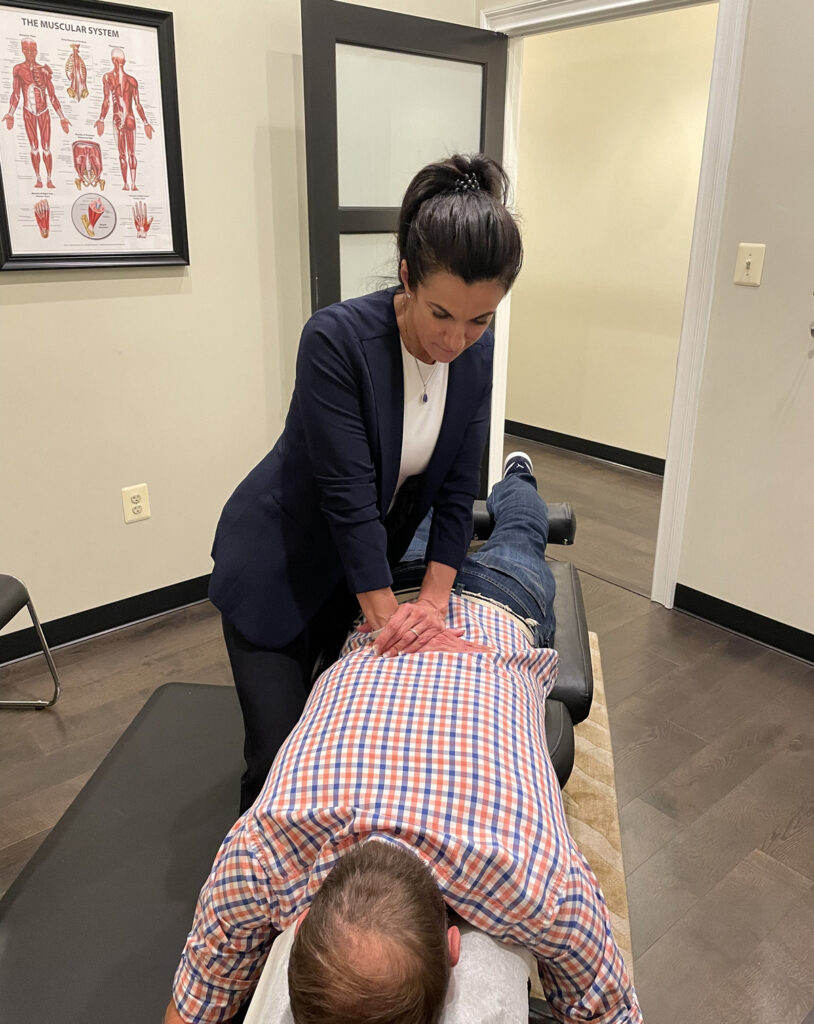


Headaches are one of the most common health complaints in the world — but when they show up every single day, or nearly every day, they stop being a minor inconvenience and start seriously affecting your quality of life. Chronic daily headaches can make it hard to focus at work, enjoy time with family, or even get through simple daily tasks. If you’ve been waking up with head pain more often than not, you are not alone, and you are not out of options. At Wilderness Family Chiropractic in Fredericksburg, VA, Dr. Christine Stewart works with patients who are tired of just masking the pain and are ready to understand what’s driving it.
What Are Chronic Daily Headaches?
Chronic daily headaches (CDH) is a term used to describe headaches that occur 15 or more days per month for at least three consecutive months. Rather than a single diagnosis, CDH is an umbrella category that includes several headache types, such as chronic migraine, chronic tension-type headache, and new daily persistent headache. They are more common than most people realize and can be deeply disruptive when left unaddressed.
Types of Chronic Daily Headaches
Not all chronic daily headaches are created equal. Understanding which type you’re dealing with is the first step toward finding the right approach to relief. The most commonly seen forms include chronic tension-type headaches, chronic migraines, medication overuse headaches (sometimes called rebound headaches), and new daily persistent headaches.
Chronic tension-type headaches are often described as a steady, pressing or tightening sensation around the head — almost like wearing a tight band across your forehead. Chronic migraines, on the other hand, tend to involve more intense, throbbing pain often accompanied by light sensitivity, nausea, and sound sensitivity. Medication overuse headaches are a particularly tricky type that can develop when pain relievers are taken too frequently, creating a cycle where the medication itself perpetuates the problem.
New daily persistent headaches are somewhat unique in that they often begin suddenly, with patients able to recall the exact date they started. Each of these headache types has its own set of characteristics, and recognizing the pattern of your headaches can help guide the most effective treatment path.
Common Causes and Triggers
Chronic daily headaches rarely have just one single cause. Instead, they are usually the result of several overlapping factors — some related to your body’s structure, some tied to lifestyle habits, and some connected to how your nervous system processes pain signals over time. Here in Fredericksburg, VA, many patients who come to see Dr. Christine Stewart at Wilderness Family Chiropractic describe a pattern where their headaches gradually became more frequent over months or years.
Poor posture is one of the most underappreciated contributors to chronic headaches. Spending hours hunched over a computer, craning your neck toward a phone screen, or sitting with rounded shoulders places excessive strain on the muscles and joints of the upper neck. Over time, this kind of postural stress can irritate nerves that refer pain directly into the head.
Sleep disruption, dehydration, high stress levels, and hormonal fluctuations are also well-recognized triggers. Jaw clenching and teeth grinding (known as bruxism) can add significant tension to the muscles around the skull and jaw, feeding into chronic headache patterns. Some individuals also find that certain foods, strong odors, or changes in weather act as reliable triggers.
Perhaps the most important concept to understand is central sensitization — a state in which the nervous system becomes hypersensitive over time due to repeated pain signals. When this happens, stimuli that wouldn’t normally cause pain can trigger a headache response. This is why chronic daily headaches often feel like they “come out of nowhere” and can be hard to pin down.
How the Spine and Nervous System Play a Role
From a chiropractic perspective, the relationship between the cervical spine (the neck) and headache frequency is one of the most important things to explore. The upper cervical vertebrae sit very close to the brainstem and house nerves that supply sensation to the back of the head, the scalp, and even the forehead. When the joints in this area are restricted, misaligned, or under excessive strain, they can generate pain that travels upward into the skull — a phenomenon often called a cervicogenic headache.
Even when a headache isn’t purely cervicogenic in origin, spinal dysfunction in the neck can still lower a person’s overall pain threshold, making them more susceptible to headaches of all kinds. The muscles attached to the cervical vertebrae, particularly the suboccipital muscles at the base of the skull, are notorious for harboring tension that radiates into a classic headache pattern.
The nervous system is also deeply involved. Stress and anxiety activate the sympathetic nervous system, keeping the body in a heightened state of tension. This sustained tension feeds into muscle tightness in the neck and shoulders, which can easily trigger or worsen existing headache patterns. Addressing spinal health as part of a broader nervous system approach is a cornerstone of how chiropractic care approaches chronic daily headaches.
Chiropractic Care for Chronic Headaches
Chiropractic care takes a non-invasive, drug-free approach to addressing the underlying physical contributors to chronic daily headaches. Rather than simply treating the pain as it arises, the goal is to identify and correct the structural and functional issues that may be perpetuating the cycle. Research published in prominent journals, including the Journal of Manipulative and Physiological Therapeutics, suggests that spinal manipulation may help reduce the frequency and intensity of tension-type and cervicogenic headaches in certain patients.
At Wilderness Family Chiropractic, Dr. Christine Stewart conducts a thorough evaluation before recommending any course of care. This process typically involves reviewing your headache history, assessing your posture and spinal alignment, and evaluating range of motion in the neck and upper back. The goal is to develop a personalized plan that addresses your specific pattern — not a one-size-fits-all approach.
Chiropractic adjustments to the cervical and upper thoracic spine can help restore proper joint mobility, reduce muscle tension, and decrease nerve irritation in the areas most associated with headache generation. Soft tissue work targeting the suboccipital muscles and surrounding structures may also be incorporated. Many patients at Wilderness Family Chiropractic in Fredericksburg, VA report that consistent care helps them notice a gradual reduction in how frequently their headaches occur, as well as improvements in headache intensity when they do occur.
It’s worth noting that chiropractic care works best as part of a comprehensive approach. Dr. Christine Stewart often encourages patients to combine chiropractic care with lifestyle modifications, stress management, adequate sleep hygiene, and proper hydration for the most meaningful long-term results.
Practical Coping Strategies
Managing chronic daily headaches requires more than just treatment appointments. What you do in your daily life can either fuel the problem or help quiet it down. Here are some evidence-informed strategies that may help reduce the burden of chronic headaches over time.
Pay close attention to your screen setup. If your monitor is positioned too low, you’re likely spending hours with your chin dropped and your neck flexed forward — a position that strains the upper cervical joints significantly. Raising your screen to eye level and keeping your ears aligned over your shoulders when seated can reduce that cumulative strain considerably.
Hydration is often overlooked as a headache strategy, but it matters. Even mild dehydration is a well-recognized headache trigger for many people. Making a habit of drinking water consistently throughout the day — rather than waiting until you feel thirsty — can make a noticeable difference over time.
Sleep quality and consistency also play a major role. Irregular sleep patterns and poor sleep hygiene are strongly associated with increased headache frequency. Keeping a consistent sleep schedule, limiting screen exposure before bed, and creating a calm, dark sleep environment are all steps worth taking seriously.
Gentle movement throughout the day helps prevent the muscle stiffness and tension buildup that often precede headaches. Even brief breaks to move your neck through its comfortable range of motion, roll your shoulders back, and reset your posture can make a meaningful difference if done consistently. Dr. Christine Stewart often provides patients at Wilderness Family Chiropractic with personalized movement recommendations to support their care.
Stress management is equally important. Chronic stress keeps the body’s tension levels elevated, which feeds directly into headache cycles. Whether it’s regular walks outdoors, mindful breathing, or simply protecting time to decompress, finding what works for you is an important part of the long-term picture.

When to Seek Professional Help
If you’ve been experiencing headaches on 15 or more days per month and haven’t yet spoken with a healthcare provider, now is the time to do so. Chronic daily headaches are not something you should simply wait out or manage indefinitely with over-the-counter medications — especially because frequent use of those medications can worsen headache patterns over time.
Chiropractic evaluation is a reasonable first step when your headaches have a strong postural, muscular, or cervical component. Many people in the Fredericksburg area find it helpful to start with Dr. Christine Stewart at Wilderness Family Chiropractic to rule out spinal contributors and develop a conservative care plan before pursuing more invasive options.
However, there are situations where a more urgent medical evaluation is needed. Seek immediate care if you experience a sudden, severe headache that feels like the “worst of your life,” headaches accompanied by fever, stiff neck, confusion, vision changes, or weakness in your limbs. These can be signs of conditions that require prompt medical attention and fall outside the scope of chiropractic care. A good chiropractor will always be upfront about when a referral is appropriate — your safety always comes first.
|
Headache Type |
Common Characteristics |
Common Triggers |
Chiropractic Relevance |
|---|---|---|---|
|
Chronic Tension-Type |
Pressing, band-like pressure around the head; usually both sides |
Poor posture, stress, muscle tension, eye strain |
High — often linked to cervical joint dysfunction and suboccipital muscle tension |
|
Chronic Migraine |
Throbbing, often one-sided; may include nausea and light/sound sensitivity |
Hormones, diet, sleep disruption, stress |
Moderate — cervical spine involvement may contribute to frequency in some patients |
|
Cervicogenic Headache |
Originates in the neck, radiates to the back or side of head; worsened by neck movement |
Neck injury, poor ergonomics, restricted joint motion |
Very high — directly linked to cervical spine structure and function |
|
Medication Overuse Headache |
Daily or near-daily; often worse in the morning; worsens with more medication use |
Frequent use of pain relievers or triptans |
Moderate — chiropractic may help reduce reliance on pain medication over time |
Myths vs. Facts About Chronic Daily Headaches
Myth: Chronic headaches are just a normal part of getting older.
Fact: While headaches become more common with age in some populations, daily headaches are never something you should simply accept as normal. Chronic daily headaches are a recognized medical condition with identifiable contributing factors — and many people experience significant improvement when those factors are addressed properly.
Myth: If imaging (X-ray, MRI) comes back normal, there’s nothing wrong.
Fact: Many causes of chronic headaches — including joint restriction, muscle dysfunction, and nervous system sensitization — do not show up on standard imaging. A normal scan is actually reassuring from one standpoint, but it doesn’t mean there’s nothing to address. Clinical evaluation, including hands-on assessment of spinal mobility and posture, can reveal contributors that imaging misses.
Myth: Taking pain relievers every day is a safe long-term strategy for managing chronic headaches.
Fact: Frequent use of over-the-counter pain medications — including ibuprofen and acetaminophen — can actually lead to medication overuse headaches, also called rebound headaches. This creates a cycle where the very thing meant to help ends up making the problem worse. It’s important to discuss long-term headache management with a healthcare provider rather than relying on daily medication use.
Myth: Chiropractic adjustments are dangerous for headache patients.
Fact: When performed by a trained, licensed chiropractor, spinal manipulation is considered a generally safe intervention for appropriate candidates. Evidence from organizations such as the National Center for Complementary and Integrative Health indicates that chiropractic care can be a reasonable option for certain types of headaches. A thorough intake process ensures that care is appropriate for each individual patient.
Myth: You just have to live with chronic headaches if they’ve been happening for years.
Fact: Duration alone does not mean a condition is untreatable. Many patients who have dealt with chronic headaches for years find meaningful improvement when they finally receive a proper evaluation and a comprehensive, individualized approach to care. It’s never too late to look for answers.
Final Thoughts from Wilderness Family Chiropractic in Fredericksburg, VA
Chronic daily headaches can be exhausting — physically, emotionally, and mentally. But understanding that there are real, identifiable contributors to your pain is genuinely empowering. You don’t have to simply push through each day hoping it gets better on its own.
At Wilderness Family Chiropractic in Fredericksburg, VA, Dr. Christine Stewart is passionate about helping patients in our community get to the root of what’s driving their chronic headaches. Whether your headaches are connected to poor posture, cervical spine dysfunction, muscle tension, or a combination of factors, the goal is always to help you move toward fewer headaches, better function, and a better quality of life — without relying on daily medication to get there.
If you’ve been living with frequent headaches and haven’t yet explored what conservative chiropractic care might offer, we’d encourage you to take that first step. Our community here in Fredericksburg deserves to feel well, and that includes you.
Frequently Asked Questions
How many headaches per month qualify as “chronic”?
Chronic daily headaches are generally defined as headaches occurring on 15 or more days per month for at least three consecutive months. If your headaches are happening this frequently, it’s worth speaking with a healthcare provider about evaluation and management options.
Can chiropractic care really help with headaches?
Research suggests that chiropractic care — particularly spinal manipulation and soft tissue therapy — may be beneficial for certain types of headaches, including tension-type and cervicogenic headaches. Results vary by individual, and chiropractic care works best as part of a broader approach that includes lifestyle modifications. Dr. Christine Stewart can help determine whether chiropractic care is appropriate for your specific situation.
How long does it take to see improvement with chiropractic care for headaches?
There is no single timeline that applies to every patient. Some people notice improvements within a few weeks of consistent care, while others with long-standing chronic patterns may require a longer course of treatment before significant changes occur. A thorough evaluation at Wilderness Family Chiropractic can help set realistic expectations based on your individual history.
Are there any red flags with headaches that mean I should go to the ER?
Yes. You should seek emergency care immediately if you experience a sudden, extremely severe headache unlike anything you’ve felt before, or if your headache is accompanied by fever, stiff neck, confusion, vision changes, weakness, or difficulty speaking. These symptoms can indicate serious conditions that require urgent medical evaluation.
Can stress alone cause chronic daily headaches?
Stress is a well-recognized trigger and contributor to chronic headaches, but it rarely acts in isolation. It tends to worsen existing physical vulnerabilities — such as muscle tension, poor sleep, and postural strain — that together create the conditions for frequent headaches. Addressing stress as one part of a comprehensive approach is important, but it typically works best alongside other lifestyle and structural interventions.
What’s the difference between a tension headache and a cervicogenic headache?
Tension-type headaches are typically described as a diffuse, band-like pressure around the head and are often linked to muscle tightness and stress. Cervicogenic headaches, by contrast, originate from structures in the neck — such as joints or nerves — and typically produce pain that radiates from the back of the neck upward. Cervicogenic headaches tend to worsen with specific neck movements and may be accompanied by neck stiffness. A clinical evaluation can help differentiate between the two.
TL;DR
-
Chronic daily headaches are defined as headaches occurring 15 or more days per month for at least three months, and they are not something you should simply accept as normal.
-
Common contributors include poor posture, cervical spine dysfunction, muscle tension, stress, dehydration, and sleep disruption — often in combination.
-
Chiropractic care addresses structural and functional factors in the neck and spine that may be fueling chronic headache patterns, and research suggests it may help reduce frequency and intensity for certain headache types.
-
Daily over-the-counter pain medication use can worsen headaches over time through a rebound effect — long-term management should involve a healthcare provider.
-
Dr. Christine Stewart at Wilderness Family Chiropractic in Fredericksburg, VA offers personalized evaluations to help patients understand what’s driving their headaches and develop a practical, conservative plan for improvement.