
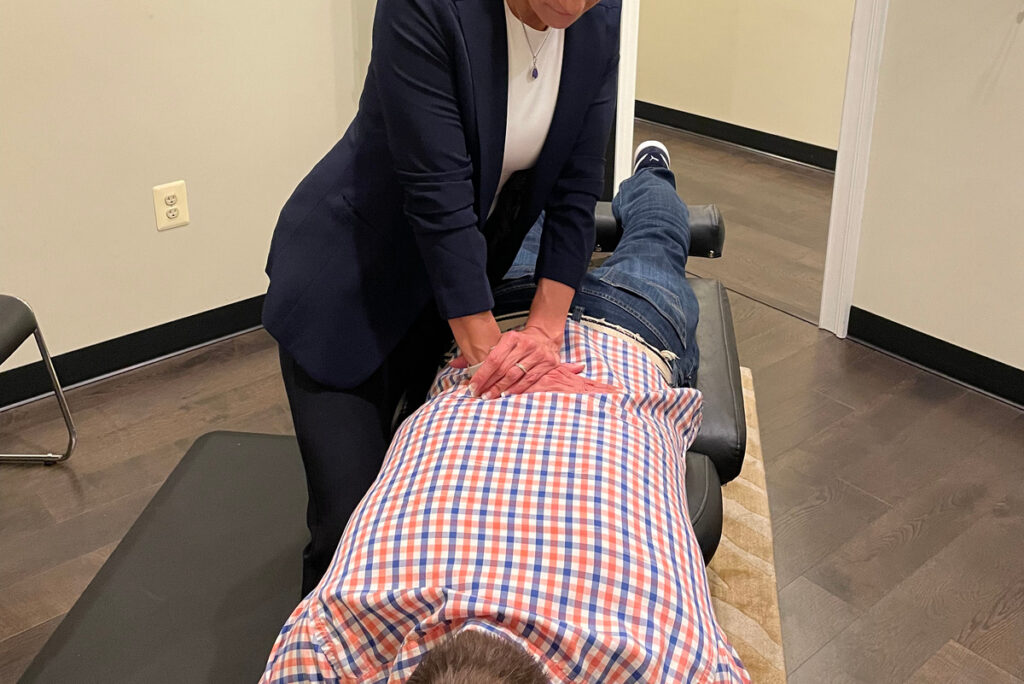

Back pain is one of the most common health complaints in the world — and if you’ve ever woken up barely able to roll out of bed, or spent an afternoon hunched over your desk wondering why your lower back is screaming at you, you’re not alone. Here in Fredericksburg, VA, back pain is something our team at Wilderness Family Chiropractic sees every single day. The good news? Understanding what’s driving your discomfort is the first step toward feeling better. Whether your back pain came on suddenly or has been building for years, there are real, non-invasive options that can help you get your life back — without jumping straight to medications or surgery.
What Is Back Pain, Exactly?
Back pain refers to discomfort, stiffness, achiness, or sharp sensation anywhere along the spine — from the base of the skull down to the tailbone. It can range from a mild nuisance to a severely limiting condition. Back pain is one of the leading reasons people miss work and seek medical care, and it affects people of all ages and activity levels.
Common Causes of Back Pain
Back pain rarely has just one cause. More often, it’s the result of a combination of factors that build up over time — poor posture, repetitive stress, old injuries that never fully healed, or simply the demands of daily life. That said, there are several well-recognized triggers that Dr. Christine Stewart and our team at Wilderness Family Chiropractic frequently identify in patients throughout the Fredericksburg, VA area.
Muscle Strain and Ligament Sprains
One of the most frequent causes of back pain is a muscle strain or ligament sprain. This can happen from lifting something too heavy, twisting awkwardly, or even sleeping in a strange position. When the muscles or connective tissues of the back are overstretched or torn, they respond with inflammation and painful muscle guarding. This type of pain often feels dull and achy and tends to worsen with movement. The good news is that most strains respond well to conservative care.
Spinal Misalignment (Subluxation)
Chiropractors often talk about vertebral subluxations — areas of the spine where the bones have shifted out of their ideal alignment. When spinal segments aren’t moving the way they should, they can create nerve irritation, local inflammation, and muscle tension. Over time, untreated misalignments can contribute to more significant wear and tear on the discs and joints. This is one area where chiropractic care shines, as gentle, targeted adjustments are designed to restore proper spinal motion and alignment.
Disc Problems
Between each vertebra in your spine sits a cushioning disc that absorbs shock and allows movement. These discs can become compressed, bulged, or herniated — meaning the soft interior pushes outward and presses on nearby nerves. A herniated disc in the lower back, for example, can cause radiating leg pain known as sciatica. Disc problems can develop from poor posture, heavy lifting, or simply aging. They’re more common than many people realize and are often a key part of the conversation when back pain becomes chronic.
Degenerative Changes and Arthritis
As we age, the joints and discs of the spine naturally experience some wear and tear — a process called degenerative disc disease or spinal osteoarthritis. This doesn’t mean pain is inevitable, but it does explain why back stiffness often becomes more noticeable with age. Bone spurs can form, joint spaces can narrow, and flexibility can decrease. The encouraging thing is that many people with degenerative changes respond very well to chiropractic care and targeted movement strategies.
Sedentary Lifestyle and Poor Posture
Here in Fredericksburg, VA, many of our patients spend long hours sitting — at desks, in cars, or on couches. Prolonged sitting places significant load on the lower spine and can lead to muscular imbalances, tightened hip flexors, and weakened core muscles. Poor posture compounds these problems. When your head juts forward or your shoulders round habitually, it shifts mechanical load in ways the spine wasn’t designed to handle indefinitely. Over time, these patterns contribute to chronic back pain that feels difficult to shake.
Symptoms and Warning Signs to Know
Back pain can show up in many different ways, and understanding what you’re experiencing helps guide the right kind of care. Some people feel a constant, dull ache in their lower back. Others experience sharp, stabbing pain that hits with certain movements. Still others describe a burning or tightness that radiates into the hips or legs.
Common symptoms associated with back pain include localized tenderness along the spine, stiffness in the morning that improves with movement, reduced range of motion, muscle spasms, and discomfort that worsens with prolonged sitting or standing. When nerve involvement is present, you may also notice tingling, numbness, or weakness that travels into the legs or feet.
It’s important to know that some symptoms warrant immediate medical attention. If your back pain is accompanied by loss of bladder or bowel control, severe leg weakness, numbness in the groin or inner thighs, or follows a significant trauma, please seek emergency care right away. These can indicate serious spinal conditions that need urgent evaluation beyond the scope of chiropractic.
How Chiropractic Care Can Help
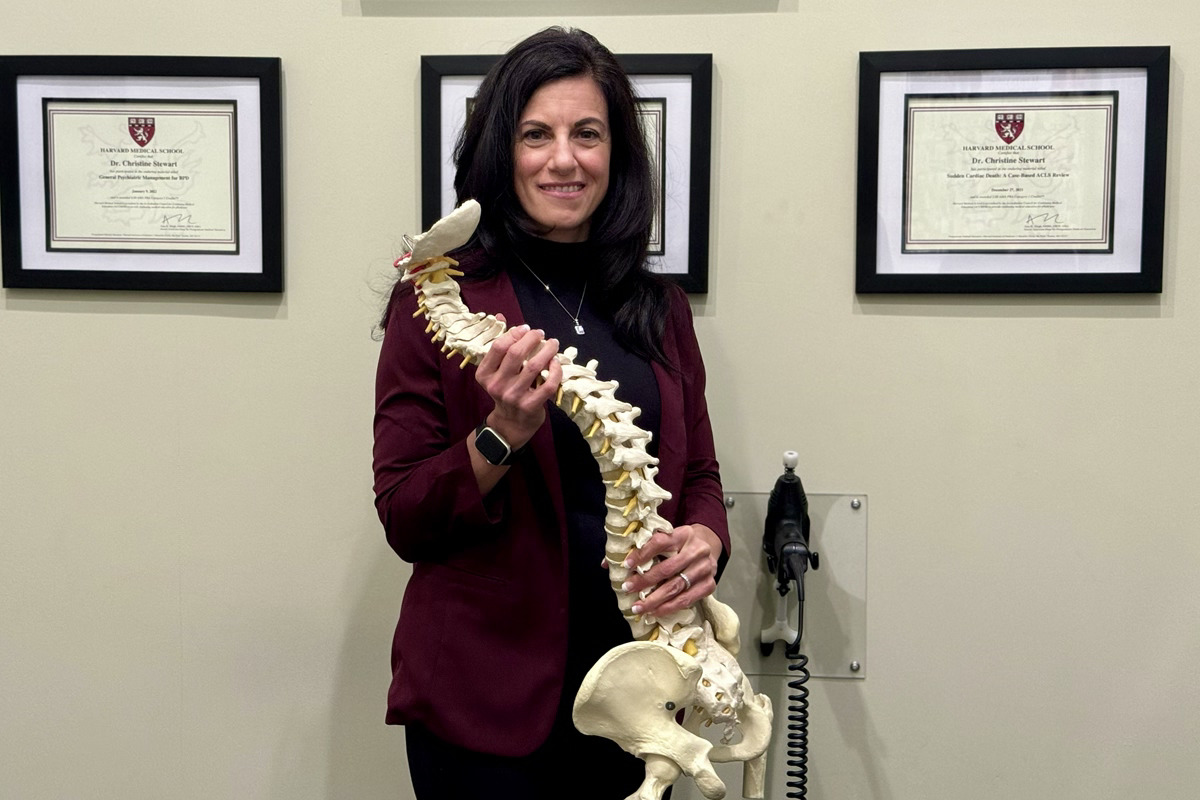
Chiropractic care is one of the most well-researched conservative approaches for managing back pain. Organizations like the American College of Physicians and the National Institutes of Health have recognized spinal manipulation as a reasonable, evidence-informed option for acute and chronic low back pain. At Wilderness Family Chiropractic, Dr. Christine Stewart takes an individualized approach — because back pain doesn’t look the same in every person.
Chiropractic Adjustments
The cornerstone of chiropractic care is the spinal adjustment — a precise, controlled force applied to a joint to restore proper motion and alignment. Adjustments help reduce nerve irritation, relieve muscle tension, and improve joint function. Many patients notice a significant reduction in pain and improved mobility after just a few sessions, though results vary depending on the nature and duration of the condition.
Soft Tissue Therapy and Rehabilitation
Beyond adjustments, a well-rounded chiropractic visit often addresses the muscles and soft tissues surrounding the spine. Dr. Christine Stewart may incorporate therapeutic techniques to relieve muscle tension, improve circulation, and promote healing in affected tissues. Guidance on therapeutic exercises and movement patterns is also commonly part of the care plan — helping patients build the strength and flexibility needed to support lasting improvement.
Postural and Lifestyle Coaching
Because so many cases of back pain are connected to how we move, sit, and live, chiropractic care at Wilderness Family Chiropractic extends beyond the treatment table. Patients receive education about ergonomics, sleep positioning, movement habits, and lifestyle factors that contribute to their pain. The goal isn’t just to feel better temporarily — it’s to understand the root causes and make changes that support long-term spinal health.
Practical Tips to Protect Your Back
Whether you’re currently dealing with back pain or trying to prevent it, there are simple, effective habits that can make a real difference. These aren’t magic fixes, but they’re grounded in solid biomechanical principles that chiropractors recommend consistently.
First, pay attention to your sitting posture. If you work at a desk, make sure your screen is at eye level, your feet are flat on the floor, and your lower back has some support. Avoid crossing your legs habitually, and try to stand and move for a few minutes every hour. Second, strengthen your core. The muscles of your abdomen and back work together to stabilize the spine — keeping them strong reduces stress on the vertebrae and discs. Walking, swimming, and gentle core exercises are excellent starting points. Third, lift carefully. When picking something up — even something light — bend at the hips and knees rather than rounding your lower back. Keep the object close to your body and avoid twisting while lifting. Finally, sleep smart. Sleeping on your side with a pillow between your knees or on your back with a pillow under your knees can help reduce spinal strain overnight.
When to See a Chiropractor
Not every backache requires professional care — sometimes rest and gentle movement are enough for a minor strain to resolve on its own. However, there are clear signs that it’s time to seek help. If your back pain has lasted more than a week or two without improvement, that’s a signal worth taking seriously. Pain that is progressively worsening rather than improving, pain that radiates into the legs, or back pain that limits your ability to do your normal daily activities are all good reasons to schedule an evaluation.
Chiropractic care is especially appropriate when back pain is related to posture, spinal alignment, muscle tension, or joint dysfunction — which covers the majority of cases. Dr. Christine Stewart at Wilderness Family Chiropractic will take a thorough history, discuss your symptoms, and may recommend imaging if needed to better understand what’s happening in your spine. The goal is always to provide the most appropriate care — and to refer out when something falls outside chiropractic scope.
Back Pain Triggers vs. Chiropractic-Friendly Solutions
Common Trigger |
What It Does to Your Back |
Chiropractic-Friendly Approach |
|---|---|---|
|
Prolonged sitting |
Compresses lumbar discs, tightens hip flexors, weakens core |
Postural coaching, movement breaks, spinal adjustments |
|
Heavy or improper lifting |
Strains muscles, can herniate discs |
Ergonomic education, soft tissue therapy, adjustments |
|
Spinal misalignment |
Irritates nerves, causes muscle imbalance and inflammation |
Targeted chiropractic adjustments to restore alignment |
|
Degenerative disc changes |
Reduces joint space, stiffens spine, can irritate nerves |
Gentle mobilization, supportive exercises, lifestyle guidance |
|
Sedentary lifestyle |
Deconditions supporting muscles, promotes poor posture |
Movement strategies, therapeutic exercise recommendations |
|
Stress and tension |
Increases muscle guarding and spasm, especially in mid-back |
Soft tissue work, education on relaxation and breathing patterns |
Myths vs. Facts About Back Pain
Myth: Rest is the best thing you can do for back pain.
Fact: While brief rest may help in the very early stages of an acute injury, prolonged bed rest is generally not recommended and can actually make back pain worse. Evidence consistently suggests that staying gently active — walking, stretching, and moving through a comfortable range — supports faster recovery and better long-term outcomes than complete rest.
Myth: If your back hurts, it means something is seriously wrong.
Fact: The vast majority of back pain cases — even severe ones — are not caused by dangerous or life-threatening conditions. Most back pain stems from mechanical issues like muscle strain, joint dysfunction, or postural stress. That said, a professional evaluation gives you peace of mind and helps rule out anything that needs more urgent attention.
Myth: Chiropractic adjustments are dangerous or can make things worse.
Fact: When performed by a licensed chiropractor, spinal adjustments are considered a safe, evidence-informed treatment for musculoskeletal conditions. Serious adverse events are rare. Dr. Christine Stewart conducts a thorough evaluation before recommending any treatment and tailors the approach to each individual’s health status and comfort level.
Myth: You have to be in severe pain to see a chiropractor.
Fact: Many patients at Wilderness Family Chiropractic in Fredericksburg, VA come in for preventive or wellness care — not just crisis-level pain. Regular chiropractic check-ins can help identify small issues before they become bigger problems and support overall spinal health and function.
Myth: Back pain always requires surgery or medication to fix.
Fact: The large majority of back pain cases resolve with conservative care — including chiropractic, physical therapy, exercise, and lifestyle modification. Major health organizations, including the American College of Physicians, recommend starting with non-invasive, drug-free approaches before considering more aggressive interventions.
Final Thoughts from Wilderness Family Chiropractic
Back pain doesn’t have to be a permanent fixture in your life. Whether it’s a nagging ache that flares up every few months or a sharp pain that showed up after a tough weekend, understanding the cause is the most empowering thing you can do. Here at Wilderness Family Chiropractic in Fredericksburg, VA, Dr. Christine Stewart is committed to helping patients in our community get clear answers and real relief — without unnecessary medication or invasive procedures.
We believe that your spine deserves the same kind of consistent, thoughtful care as any other part of your body. The Fredericksburg community is full of hardworking, active people — parents, professionals, students, veterans, retirees — and back pain shouldn’t be the thing that holds you back from doing what you love. Our team is here to walk alongside you, wherever you are in your health journey.
If back pain has been weighing on you, we encourage you to reach out to Wilderness Family Chiropractic. A conversation and an evaluation can go a long way toward understanding what’s happening — and what can be done about it.
Frequently Asked Questions About Back Pain and Chiropractic Care
How many chiropractic visits does it take to feel relief from back pain?
This varies widely depending on the cause, duration, and severity of your back pain. Some patients experience noticeable improvement after just a few visits, while others with chronic conditions benefit from a more extended care plan. Dr. Christine Stewart will give you a realistic sense of what to expect after your initial evaluation.
Is chiropractic care safe for people with degenerative disc disease?
In many cases, yes — gentle chiropractic techniques can be adapted for patients with degenerative changes in the spine. A thorough health history and, when needed, imaging help ensure that the approach is appropriate for your specific situation. Always disclose your full health history before beginning care.
Can chiropractic help with sciatica caused by a herniated disc?
Research suggests that chiropractic care may help relieve sciatic symptoms for some patients, particularly when the pain is related to disc pressure or spinal joint dysfunction. Results vary, and not every case is the same — which is why a proper evaluation is essential before beginning treatment.
What’s the difference between acute and chronic back pain?
Acute back pain typically comes on suddenly and lasts less than six weeks. Chronic back pain persists for three months or longer. Both can benefit from chiropractic evaluation, but the treatment approach and timeline may differ significantly based on the underlying cause.
Should I see a chiropractor or a primary care doctor first for back pain?
Either is a reasonable starting point for most cases of non-emergency back pain. Chiropractors are well-trained to evaluate spinal conditions and will refer out if they identify something that requires a different level of care. If you’re experiencing red flag symptoms like loss of bladder control or severe weakness, go to your primary care physician or emergency care right away.
Can back pain come back after chiropractic care?
Back pain can recur, especially if the underlying lifestyle or postural factors aren’t addressed. That’s why care at Wilderness Family Chiropractic in Fredericksburg, VA includes education and self-care guidance — not just in-office treatment. Building good habits is a key part of maintaining the progress you make.
TL;DR — Key Takeaways
-
Back pain is extremely common and most often stems from mechanical causes like muscle strain, poor posture, disc problems, or spinal misalignment — not from serious or dangerous conditions.
-
Chiropractic care, including spinal adjustments, soft tissue therapy, and lifestyle coaching, is a well-supported conservative option for addressing both acute and chronic back pain.
-
Simple daily habits — like mindful sitting posture, proper lifting technique, and staying active — can significantly reduce your risk of back pain and support recovery.
-
Red flag symptoms such as loss of bladder control, severe leg weakness, or pain following major trauma should be evaluated by a medical doctor immediately.
-
Dr. Christine Stewart and the team at Wilderness Family Chiropractic in Fredericksburg, VA are here to help you understand your back pain and find a care path that works for your life.