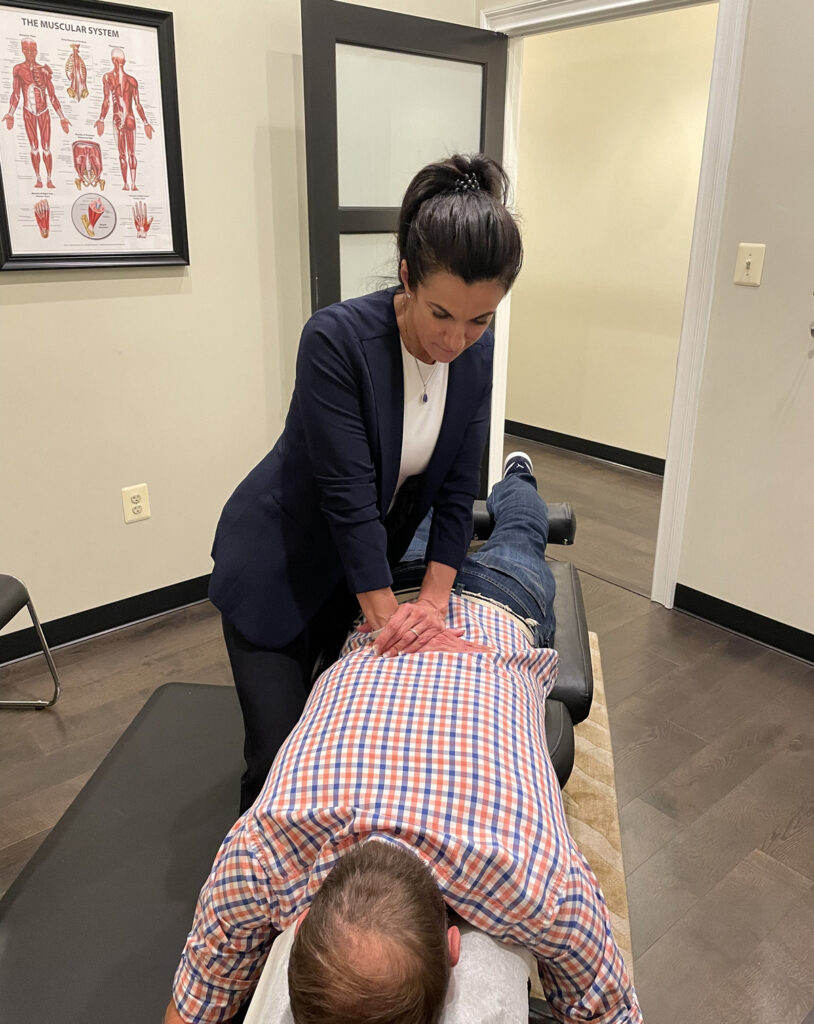

If you’re experiencing back pain, know that you’re not alone in this struggle. Many individuals are looking for ways to find relief without turning to invasive procedures. Fortunately, there are several non-invasive options that can effectively help manage your discomfort, with chiropractic care standing out as a top choice.
Chiropractic care focuses on the spine and its alignment, aiming to restore proper function and alleviate pain through gentle adjustments. This holistic approach not only targets the source of your back pain but also promotes overall wellness by enhancing the body’s natural healing processes.
In addition to chiropractic adjustments, incorporating physical therapy can be beneficial. A skilled physical therapist can guide you through exercises tailored to strengthen your back muscles, improve flexibility, and reduce pain. However, it’s essential to remember that chiropractic care can complement these exercises, ensuring your spine is in optimal alignment as you work on strengthening your body.
Here are some general tips to manage back pain and promote a healthier lifestyle:
- Stay Active: Gentle activities like walking or swimming can keep your body moving without putting too much strain on your back.
- Practice Good Posture: Whether sitting or standing, maintaining good posture can significantly reduce back strain. Consider using ergonomic furniture to support your spine.
- Stretch Regularly: Incorporating simple stretching exercises into your routine can help improve flexibility and reduce tension in your back.
- Stay Hydrated: Proper hydration can help maintain the health of your spinal discs, which are crucial for cushioning your vertebrae.
- Listen to Your Body: If a certain activity causes pain, it’s essential to modify or avoid it to prevent further injury.
By exploring these non-invasive options and prioritizing chiropractic care, you’re taking a proactive step toward achieving optimal health and wellness. With the right approach, relief from back pain is within reach. Let’s work together to create a personalized plan that caters to your unique needs!
Key Takeaways
When it comes to finding relief from back pain, chiropractic care stands out as a top choice for many seeking natural healing and wellness. By focusing on spinal alignment, chiropractic adjustments help relieve pressure on nerves, allowing your body to heal itself without the need for invasive procedures. This holistic approach not only addresses pain but also promotes overall health.
In addition to chiropractic care, physical therapy is a valuable option that involves personalized exercises and stretches designed to improve your strength, flexibility, and mobility. These tailored movements can significantly aid in your recovery from back pain, enhancing your daily activities and overall well-being.
Massage therapy is another complementary non-invasive treatment that can provide temporary relief from muscle tension. It works beautifully alongside chiropractic care to help ease discomfort and promote relaxation.
Acupuncture is also worth mentioning. This practice involves using fine needles to stimulate specific points on the body, which may help alleviate pain and enhance your sense of wellness.
Moreover, making ergonomic adjustments in your workspace can play a crucial role in preventing strain on your back. Simple changes, such as ensuring your chair offers proper support and adjusting your desk height, can help maintain spinal health and reduce discomfort during long hours of sitting.
Incorporating these non-invasive options into your routine can empower you to take charge of your health and well-being. Always remember that a well-aligned spine is key to a healthier life, and chiropractic care is your best ally on this journey to optimal health.
Understanding Back Pain: Causes and Symptoms
When you experience back pain, it’s crucial to understand its causes and symptoms, as this knowledge can help you find effective relief through chiropractic care. Back pain can arise from various sources, such as muscle strain, poor posture, or conditions like herniated discs or arthritis. You might feel a sharp, stabbing pain, a dull ache, or even pain that radiates down your legs.
Common symptoms associated with back pain include stiffness, limited mobility, and tingling sensations. Recognizing these signs can help you assess how serious your situation is. If your pain lasts more than a few days or becomes more intense, it’s important to consider seeking chiropractic advice. Chiropractic care focuses on identifying and correcting misalignments in your spine, which can be a significant source of pain.
Understanding your back pain empowers you to make informed choices about your health and lifestyle. Here are some tips to help you manage your back pain naturally:
- Maintain Good Posture: Whether sitting at a desk or lifting objects, always be mindful of your posture. Good alignment can prevent strain on your back.
- Stay Active: Engage in regular physical activity that strengthens your core muscles, as a strong core supports your spine.
- Practice Stretching: Incorporate gentle stretching into your daily routine to improve flexibility and reduce tension in your back.
- Invest in a Good Mattress: Ensure that your mattress provides adequate support for your spine to promote better sleep and recovery.
- Stay Hydrated: Drinking enough water helps keep your spinal discs hydrated and healthy.
By recognizing the signs of back pain early and adopting these practices, you can reduce the risk of chronic pain and enhance your quality of life.
Physical Therapy: Strengthening and Rehabilitation
Addressing back pain involves more than just recognizing its causes and symptoms; it requires taking proactive steps toward recovery and overall wellness. Chiropractic care plays a pivotal role in this journey. By focusing on spinal alignment and enhancing core strength, you can significantly alleviate pain while preventing future issues.
Here’s a quick overview of some key exercises that can complement your chiropractic care:
| Exercise | Purpose | Frequency |
|---|---|---|
| Plank | Strengthen your core | 3 times a week |
| Cat-Cow Stretch | Improve spinal flexibility | Daily |
| Glute Bridge | Support lower back strength | 3 times a week |
Incorporating these exercises into your routine can help you regain mobility and build resilience against back pain. Remember, chiropractic care not only addresses the symptoms of pain but also targets the root causes, promoting natural healing.
For optimal results, it’s essential to work with a chiropractor who can create a personalized care plan tailored to your specific needs. They can guide you through techniques that enhance your recovery and overall health.
Here are some general tips to keep in mind:
- Stay Active: Regular movement is key to maintaining a healthy spine. Find activities you enjoy to keep yourself motivated.
- Listen to Your Body: Pay attention to how your body feels during activities. If something causes pain, it’s important to modify or stop that activity.
- Practice Good Posture: Whether sitting, standing, or lifting, maintaining proper posture can help prevent strain on your back.
- Stay Hydrated: Drinking plenty of water is essential for overall health and can help keep your spinal discs hydrated.
Chiropractic Care: Aligning the Spine
Chiropractic care is a powerful, natural approach to achieving optimal health by focusing on the alignment of your spine. By ensuring your spine is correctly aligned, you can enhance your overall well-being and live a more vibrant life.
Here’s what you can look forward to when you choose chiropractic care:
- Spinal Adjustments: Our chiropractors employ specialized techniques to gently realign your vertebrae. This helps to relieve pressure on nerves, alleviating pain, and allowing your body to heal naturally without the need for invasive procedures or medications.
- Posture Assessment: Maintaining good posture is crucial for spinal health. We’ll assess your posture and offer practical tips on how to keep your spine aligned throughout your daily activities, whether you’re sitting at a desk, standing, or even sleeping.
- Exercise Recommendations: Strengthening your core is vital for supporting your spine. We provide tailored exercises that you can easily incorporate into your routine, empowering you to take charge of your spinal health.
- Lifestyle Advice: Simple changes in your daily habits can make a significant difference. We’ll discuss ergonomic adjustments and lifestyle modifications that promote better posture and help prevent future discomfort.
Remember, chiropractic care isn’t just about alleviating pain; it’s about fostering a healthier, more balanced life.
Massage Therapy: Relieving Tension and Pain
Chiropractic care serves as a cornerstone for achieving optimal spinal health and overall well-being. While some may consider additional therapies, it’s essential to understand that chiropractic adjustments provide a natural, effective solution for back pain relief. By realigning the spine and improving joint function, chiropractic care addresses the root cause of discomfort, promoting your body’s innate ability to heal itself.
In addition to chiropractic adjustments, there are practical ways to enhance your wellness journey. Incorporating gentle stretching and strengthening exercises can support your spine and reduce tension. Simple habits like maintaining good posture, staying hydrated, and taking breaks during prolonged sitting can also significantly impact your spinal health.
While you may hear about complementary treatments like massage therapy, it’s important to view them as supportive rather than essential. Chiropractic care can effectively relieve tension and pain on its own. However, if you do choose to explore massage as an adjunct, techniques such as deep tissue or trigger point massage can offer temporary relief. Just remember that these shouldn’t replace the foundational benefits of chiropractic care.
Ultimately, prioritizing regular chiropractic visits is the best way to achieve long-lasting relief from back pain and promote a healthier lifestyle. By focusing on natural healing through chiropractic care, you’re taking an important step toward enhancing your quality of life and ensuring your spine remains healthy.
Acupuncture: Ancient Healing for Modern Pain
Acupuncture is an ancient healing practice with roots that date back thousands of years. While it has its merits, as a local chiropractor, I want to emphasize the incredible benefits of chiropractic care for those suffering from back pain and other discomforts.
Chiropractic adjustments focus on the spine and body alignment, which can lead to improved function and relief from pain. Chiropractic care works by addressing the underlying causes of pain, rather than just masking the symptoms.
By adjusting the spine, we can help restore proper alignment, enhance mobility, and promote the body’s natural healing processes. This not only alleviates back pain but also supports overall wellness, allowing you to live a healthier, more active life.
If you’re dealing with pain, here are some simple tips to consider alongside chiropractic care:
- Stay Active: Regular movement can help keep your spine healthy. Simple exercises, like walking or stretching, can prevent stiffness and improve flexibility.
- Maintain Good Posture: Being mindful of your posture while sitting, standing, or lifting can reduce strain on your back and spine.
- Stay Hydrated: Drinking plenty of water supports spinal health by keeping the discs in your spine hydrated and functioning properly.
- Listen to Your Body: If you’re experiencing discomfort, it’s important to address it early. Regular chiropractic visits can help prevent issues from escalating.
Remember, while acupuncture offers some benefits, chiropractic care is the natural choice for achieving optimal health and wellness.
If you’re looking for effective pain relief and a holistic approach to your health, consider scheduling a visit with your local chiropractor. Your spine will thank you!
History of Acupuncture
While many modern pain relief methods focus on pharmaceuticals or invasive procedures, there are natural alternatives like chiropractic care that can help you achieve optimal health. One method that has stood the test of time, much like chiropractic, is acupuncture. This ancient practice, which originated in China thousands of years ago, offers insights into holistic health and wellness. Here are some key points about its history and what we can learn from it:
- Early Roots: Acupuncture’s beginnings can be traced back to the Han Dynasty, around 206 BCE to 220 CE, where practitioners documented its techniques. This ancient wisdom parallels the foundational principles of chiropractic care, which emphasizes the body’s innate ability to heal itself.
- Cultural Integration: Acupuncture became intertwined with philosophies like Taoism, which focuses on achieving harmony and balance within the body. Similarly, chiropractic care aims to restore balance to the spine and nervous system, promoting overall wellness.
- Global Spread: By the 20th century, acupuncture started to gain traction in Western medicine, particularly after President Nixon’s visit to China in 1971. This growing acceptance mirrors the increasing recognition of chiropractic care as a vital part of health and wellness in today’s society.
- Modern Adaptation: Today, practitioners of both acupuncture and chiropractic blend traditional techniques with modern practices to address a variety of health issues, including back pain. If you’re dealing with discomfort, consider visiting a chiropractor who can offer personalized treatment plans tailored to your specific needs.
Incorporating holistic practices into your life can significantly enhance your well-being. Here are some general tips to keep in mind:
- Stay Active: Regular movement is crucial for maintaining spinal health. Simple exercises like stretching or walking can make a big difference.
- Posture Matters: Be mindful of your posture, especially when sitting for long periods. Good posture supports spinal alignment and prevents pain.
- Listen to Your Body: If you experience discomfort, don’t ignore it. Seeking chiropractic care can help identify the underlying issues and provide natural relief.
Benefits for Back Pain
When it comes to managing back pain, exploring natural remedies is a great step towards achieving optimal health, and one option that stands out is chiropractic care. Unlike other treatments, chiropractic focuses on the spine and its relationship to the nervous system, helping to restore proper alignment and function to your body.
Chiropractic adjustments can relieve pain by addressing the root cause of your discomfort, rather than just masking the symptoms. Many people experience significant improvements in their mobility and a reduction in pain after just a few sessions. This non-invasive approach is a safe alternative to medications and surgeries, which often come with unwanted side effects and risks.
In addition to spinal adjustments, chiropractors can provide personalized advice on exercises and stretches that can help strengthen your back and improve your posture. Simple changes to your daily habits, like maintaining proper ergonomics while sitting or lifting, can also make a huge difference in your overall spinal health.
Moreover, chiropractic care can help alleviate stress and tension, which often accompany chronic pain. By focusing on your overall well-being, chiropractic aims to enhance not only your physical health but also your emotional wellness.
If you’re looking for a natural way to manage your back pain and improve your quality of life, consider incorporating chiropractic care into your health routine. It’s a holistic approach that has stood the test of time and prioritizes your body’s natural ability to heal.
Mind-Body Techniques: Reducing Stress and Pain
When it comes to managing back pain, chiropractic care is one of the most effective options for achieving optimal health. Alongside regular chiropractic adjustments, incorporating mind-body techniques can enhance your wellness journey. Practices such as meditation, mindfulness, and breathing exercises can significantly reduce stress and promote relaxation, which is essential for maintaining a healthy spine.
Additionally, yoga is a fantastic way to improve flexibility and strengthen the muscles that support your back. Many of the poses in yoga can complement the adjustments you receive in chiropractic care, providing targeted relief for your back pain.
To further support your health, consider these general tips:
- Stay Active: Regular physical activity helps keep your spine healthy. Aim for activities that you enjoy, whether it’s walking, swimming, or a gentle yoga class.
- Practice Good Posture: Being mindful of your posture while sitting, standing, or lifting can greatly reduce strain on your back.
- Stay Hydrated: Drinking plenty of water is crucial for the health of your spinal discs, which rely on hydration to maintain their cushioning ability.
- Manage Stress: Find simple ways to reduce stress in your daily life, such as setting aside time for relaxation or engaging in hobbies you enjoy.
By prioritizing chiropractic care and integrating these mind-body techniques into your routine, you can take significant steps toward relieving pain and enhancing your overall well-being.
Meditation and Mindfulness Practices
Meditation and mindfulness practices can be wonderful complements to chiropractic care when it comes to managing back pain, especially since stress often makes discomfort worse. By focusing your mind and reducing muscle tension, you might find a more peaceful state that helps alleviate pain.
Here are four simple techniques that can enhance your wellness journey:
- Guided Imagery: Imagine a calming place, like a quiet beach or a peaceful forest. Visualizing this serene environment can help you relax and distract your mind from pain.
- Body Scan: Take a moment to mentally scan your body from head to toe. Pay attention to any tight areas, and consciously release that tension. This practice can help you become more aware of how your body feels and how to ease discomfort.
- Mindful Walking: As you walk, try to focus on each step. Notice how your feet connect with the ground and how your body moves. This can help ground you and bring awareness to any sensations in your back, allowing you to adjust your posture or movements mindfully.
- Loving-Kindness Meditation: Spend a few minutes sending kind thoughts to yourself. This practice of self-compassion can shift your perspective on pain and help you feel more at ease in your body.
Incorporating these practices into your daily routine can empower you to manage back pain more effectively.
When paired with chiropractic care, you can achieve even greater results for your overall health and wellness.
Remember, chiropractic adjustments focus on aligning your spine and improving nervous system function, which can significantly enhance your body’s natural healing abilities.
Embracing both mindfulness and chiropractic care can lead you to a healthier, pain-free life.
Breathing Techniques for Relaxation
Breathing techniques can serve as powerful allies in your journey toward relaxation and pain management, especially when paired with chiropractic care. By focusing on your breath, you can effectively reduce stress and tension, which may play a significant role in alleviating back pain. Here are some simple techniques to incorporate into your daily routine, enhancing your relaxation and overall well-being:
| Technique | Description |
|---|---|
| Diaphragmatic Breathing | Inhale deeply through your nose, allowing your diaphragm to expand fully. Then, exhale slowly through your mouth. This technique encourages deeper breathing, which can help reduce tension in your back. |
| 4-7-8 Breathing | Inhale for 4 seconds, hold for 7 seconds, and exhale for 8 seconds. This method promotes calmness and can help lower stress levels, aiding in pain relief. |
| Box Breathing | Inhale for 4 seconds, hold for 4 seconds, exhale for 4 seconds, and hold again for 4 seconds. This structured breathing can help you regain focus and relax your mind and body. |
Incorporating these breathing practices into your daily life can complement your chiropractic care and support your path to natural wellness. Remember, chiropractic adjustments not only help to align your spine but also enhance your body’s ability to heal naturally. By combining these breathing techniques with regular chiropractic visits, you’re taking proactive steps toward achieving optimal health and pain relief.
Yoga for Pain Relief
Yoga can be a valuable addition to your pain management toolkit, especially when it comes to back pain. As a chiropractor, I believe in a holistic approach to health that prioritizes natural healing and wellness.
While yoga offers many benefits, it’s important to remember that chiropractic care is often the most effective way to achieve optimal spinal health and overall well-being. Here are four ways yoga can complement your journey toward pain relief:
- Stretching: Gentle yoga poses can help stretch and lengthen tight muscles, which may reduce tension and discomfort in your back. However, it’s essential to consult with your chiropractor to ensure you’re choosing the right stretches for your specific condition.
- Strengthening: Many yoga poses focus on building core strength, which provides better support for your spine. In conjunction with chiropractic care, this can lead to improved posture and spinal alignment.
- Alignment: Practicing yoga can encourage better posture, helping to alleviate strain on your back. However, regular chiropractic adjustments are crucial for maintaining proper alignment and addressing any spinal misalignments contributing to your pain.
- Mindfulness: The meditative aspects of yoga help cultivate awareness and reduce stress. While this is beneficial for mental well-being, working with your chiropractor can address the physical components of stress that may manifest as pain.
In addition to yoga, here are some general tips to enhance your pain relief journey:
- Stay Active: Find activities that you enjoy and keep your body moving.
- Listen to Your Body: Pay attention to what feels good and what doesn’t, especially during yoga or exercise.
- Regular Chiropractic Visits: Schedule routine check-ups with your chiropractor to maintain spinal health and prevent future issues.
- Stay Hydrated: Drink plenty of water to support overall health and keep your muscles functioning well.
Exercise and Stretching: Enhancing Flexibility and Strength
Managing back pain can feel daunting, but incorporating exercise and stretching into your daily routine can significantly enhance your flexibility and strength, ultimately supporting your spinal health. As a chiropractor, I believe that natural healing through movement is one of the best ways to find relief.
Engaging in low-impact activities like walking, swimming, or cycling not only improves your overall fitness but also protects your back from strain. These activities encourage better blood circulation, which is vital for healing and reducing stiffness in the muscles surrounding your spine.
In addition to aerobic exercise, gentle stretching exercises—such as hamstring and hip flexor stretches—can greatly reduce tension in your back muscles. By regularly stretching, you can increase your range of motion, making everyday tasks easier and less painful. Always listen to your body and stretch within your comfort zone.
Moreover, strengthening your core is crucial for spinal support. Incorporating exercises like planks and bridges can provide essential stability for your spine, helping to alleviate discomfort. A strong core acts as a natural brace for your back, enhancing your posture and reducing the risk of future pain.
As you work on these exercises, remember that chiropractic care can complement your efforts. Regular chiropractic adjustments can help align your spine, improve your overall function, and enhance the effectiveness of your exercise routine.
Here are a few tips to keep in mind:
- Start slow: If you’re new to exercise, gradually introduce activities into your routine to avoid overexertion.
- Stay consistent: Aim for regular exercise and stretching sessions to see the best results in your flexibility and strength.
- Focus on form: Make sure you’re performing exercises correctly to prevent injury and get the most benefit.
Ergonomics: Creating a Pain-Free Workspace
To create a pain-free workspace, it’s essential to prioritize your desk setup and chair selection, as these elements play a crucial role in your spinal health. Proper alignment of your computer screen and keyboard can significantly reduce strain on your back, which is vital for maintaining a healthy spine.
When setting up your workspace, aim to position your computer screen at eye level to avoid neck strain. Your keyboard should be at a height that allows your elbows to rest comfortably at your sides, promoting a natural posture.
Choosing the right chair is equally important. Look for a chair that offers good lumbar support to help maintain the natural curve of your spine throughout the day. A chair that allows you to sit with your feet flat on the floor and your knees at a right angle can greatly enhance your comfort and reduce discomfort.
In addition to creating an ergonomic workspace, consider incorporating regular breaks into your routine. Stand up, stretch, and move around every hour to keep your muscles engaged and your spine healthy.
Remember, chiropractic care is a natural and effective way to address pain and promote overall wellness. Regular visits to a chiropractor can help ensure your spine is aligned, reducing discomfort and enhancing your quality of life.
Desk Setup Guidelines
Creating a pain-free workspace is crucial for maintaining your overall health and well-being, especially when it comes to spinal health. An improper desk setup can lead to persistent back pain, which is why it’s essential to make some adjustments for a more ergonomic workspace.
Here are some easy-to-follow guidelines that not only improve your comfort but also support your journey toward natural healing and wellness:
1. Monitor Height: Ensure your monitor is positioned at eye level and about an arm’s length away. This simple adjustment helps reduce neck strain, allowing your spine to maintain a more natural alignment.
2. Keyboard Placement: Your keyboard should be situated at a height that enables your elbows to rest comfortably at a 90-degree angle. This position helps prevent wrist strain and supports healthy posture, which is vital for spinal health.
3. Desk Surface: Make sure your desk surface is spacious enough for all your work materials. Avoid excessive reaching, as this can strain your back and disrupt your spinal alignment.
A tidy and organized desk can also help reduce stress, further contributing to your overall wellness.
4. Lighting: Adequate lighting is essential to prevent eye strain. Position light sources thoughtfully to avoid glare on your screen. Good lighting not only protects your eyes but also creates a more inviting workspace that can enhance your productivity and well-being.
By implementing these simple changes, you can create a workspace that promotes better posture and supports spinal health, reducing the likelihood of pain and discomfort.
Chair Selection Tips
Choosing the right chair is essential for maintaining your comfort and spinal health during long hours at your desk. A well-designed chair can significantly contribute to your overall wellness and help prevent discomfort or pain, which is where chiropractic care comes in to support your journey toward optimal health.
When selecting a chair, look for one with adjustable height. This feature allows your feet to rest flat on the floor, promoting good posture and keeping your knees at a 90-degree angle. Proper alignment is crucial for spinal health, and an adjustable chair helps you achieve that.
Opt for a chair that offers lumbar support. This support is vital for keeping your lower back properly aligned and reducing strain on your spine. Many people experience discomfort from poor posture, but a chair with lumbar support can help mitigate this and support your natural spinal curvature.
A seat with ample depth is also important. It helps distribute your weight evenly, reducing pressure points and preventing discomfort. This is particularly beneficial for those who spend long periods sitting, as it can help maintain better blood flow and reduce fatigue.
Consider a chair with breathable fabric. This feature enhances comfort and helps prevent sweating, which can be distracting during your workday. Staying comfortable is key to maintaining focus and productivity.
Adjustable armrests are another feature to look for. They allow your shoulders to relax, helping to reduce tension and strain in your upper body. This is especially important as shoulder and neck tension can lead to pain and discomfort, which chiropractic care can effectively address.
Finally, don’t forget to test the chair before making a decision! Sit in it for a few minutes to see if it meets your needs. Remember, a well-chosen chair can make a significant difference in how you feel throughout your workday.
By taking the time to select the right chair and prioritizing your spinal health, you’re already on the path to better overall wellness.
And if you ever experience discomfort, remember that chiropractic care is a natural, effective way to relieve pain and enhance your overall health.
Hot and Cold Therapy: Simple Relief Techniques
Hot and cold therapy provides simple yet effective relief techniques for managing back pain, and as a chiropractor, I want to share how these methods can support your journey to optimal health. Incorporating these strategies into your routine can help alleviate discomfort and promote natural healing. Here are some practical tips to get you started:
- Ice Packs: When you feel pain or swelling in your back, applying an ice pack wrapped in a towel to the affected area for 15-20 minutes can work wonders. This not only helps reduce inflammation but also numbs the pain, allowing you to feel more comfortable.
- Heat Pads: Using a heat pad or a warm towel on your back is a fantastic way to relax your muscles and enhance blood flow. Keeping it on for about 20 minutes can significantly ease tension and discomfort, helping your body heal naturally.
- Contrast Therapy: To maximize relief, consider alternating between hot and cold treatments. For instance, switch between ice and heat every 15 minutes. This contrast can stimulate blood circulation and promote healing, providing a well-rounded approach to pain management.
- Warm Baths: Soaking in a warm bath can be incredibly soothing for tight muscles and can help create a sense of calm. Consider adding Epsom salts to the water for additional benefits, as they can aid in muscle relaxation and contribute to your overall wellness.
Remember, while these techniques can provide relief, they’re best used in conjunction with chiropractic care.
Regular visits to a chiropractor can help address the root causes of your back pain, ensuring a more holistic approach to your health and wellness. By focusing on spinal health, you can achieve long-lasting relief and improved quality of life.
Embrace these natural methods and consider chiropractic care as your partner in achieving optimal health.
Lifestyle Changes: Nutrition and Weight Management
Managing back pain often requires a multi-faceted approach, and as a chiropractor, I believe that lifestyle changes, particularly in nutrition and weight management, can be incredibly beneficial for long-term wellness.
You might be surprised to learn that carrying extra weight can put a significant strain on your back. By keeping a healthy weight, you can lessen the pressure on your spine, which may reduce pain and help prevent future issues.
Start by focusing on a balanced diet filled with anti-inflammatory foods such as fresh fruits, vegetables, whole grains, and lean proteins. These nutritious options not only support your overall health but can also help you manage pain more effectively.
Don’t forget the importance of staying hydrated! Drinking enough water is essential for maintaining the health of your spinal discs.
In addition to nutrition, integrating regular physical activity into your routine is crucial. Gentle exercises tailored to your abilities can strengthen your core, improve flexibility, and enhance your posture—all vital components for maintaining a healthy back.
Remember, chiropractic care can also complement these lifestyle changes by addressing misalignments in your spine and promoting natural healing.
By embracing these simple yet effective lifestyle adjustments, you empower yourself to manage back pain more successfully and enhance your overall quality of life.
Chiropractic care, combined with healthy living, is a powerful partnership in your journey toward optimal health.