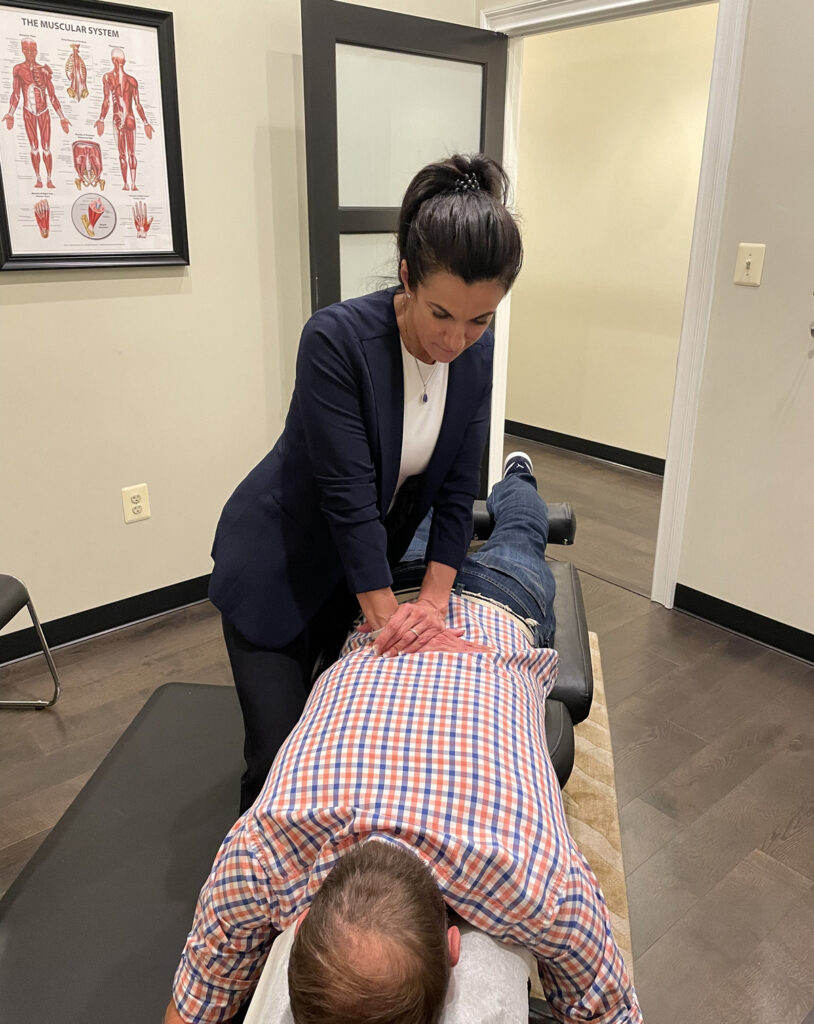

Have you ever stopped to think about how your physical well-being can affect your emotions? As a chiropractor, I want to emphasize the important connection between your spine and your emotional health. When your spine is misaligned, it can interfere with how your brain communicates with your body, which may lead to feelings of stress, anxiety, or even depression.
Chiropractic care can be a powerful tool in addressing these issues. By focusing on your spinal health, we can help restore balance in your body, which in turn can positively influence your mood. When you prioritize your spinal care, you may notice improvements not only in your physical comfort but also in your emotional well-being. Let’s explore how taking care of your spine can lead to a happier, healthier you!
The Spine-Brain Connection: Understanding the Link
As your local chiropractor, I want to share with you just how crucial your spine is—not just for physical support, but for your brain’s health and your emotional well-being. Many people think of the spine merely as a framework for the body, but it actually serves a much more vital purpose. It protects your spinal cord, which is the main highway for communication between your brain and the rest of your body.
When your spine is properly aligned, it allows for efficient communication, enabling your brain to process information and respond to life’s challenges more effectively. This is why maintaining a healthy spine is so important; it can have a profound impact on your mood and overall outlook on life.
A well-functioning spine promotes better blood flow and oxygen delivery to your brain, which can enhance cognitive abilities and emotional resilience. Additionally, a correctly aligned spine supports your nervous system, helping you manage stress and anxiety more effectively.
By focusing on spinal health through chiropractic care, you’re taking a proactive step towards not just improving your physical health, but also nurturing your emotional well-being. This holistic approach can lead you to a more balanced and fulfilling life.
Let’s work together to prioritize your spine and unleash its full potential!
How Misalignment Affects Mood
As a local Chiropractor, I want to share an important insight about how spinal misalignment can affect your overall mood.
When your spine is out of alignment, it often leads to physical discomfort, which can significantly impact your emotional state. This discomfort can activate stress responses in your nervous system, making it more challenging for you to feel relaxed and joyful.
By understanding this connection between your spine and your mood, you can see how prioritizing spinal care is essential for your emotional well-being.
Chiropractic adjustments can help restore proper alignment, alleviate pain, and ultimately support a more positive outlook on life.
I encourage you to consider how natural healing through chiropractic care can contribute to both your physical and emotional health.
Physical Pain and Mood
As a local chiropractor, I want to share how the alignment of your spine plays a crucial role in both your physical health and emotional well-being.
When your spine is misaligned, it can lead to persistent pain that not only affects your body but also your mood. Many people don’t realize that discomfort in your back or neck can lead to feelings of frustration, irritability, and even sadness.
This chronic pain can drain your energy, making it difficult to feel motivated or enjoy time with friends and family.
By addressing spinal misalignment through chiropractic care, we can help alleviate these physical symptoms and improve your overall emotional state.
When your spine is properly aligned, you may find that your pain decreases, which can create a positive cycle; less pain can lead to a better mood, allowing you to engage more fully in life’s activities.
I encourage you to consider how improving your spinal health can enhance not just your physical comfort, but also your emotional well-being.
Let’s work together towards a healthier, happier you!
Nervous System Connection
As your local chiropractor, I want to share how the connection between your spine and nervous system plays a crucial role in your emotional health. Many people may not realize that when your spine is misaligned, it can disrupt the vital communication pathways within your body.
This misalignment can put pressure on your nerves, leading to imbalances in neurotransmitters that are essential for regulating mood. When these disruptions occur, they can contribute to feelings of anxiety and depression, making it challenging to cope with stress.
That’s where chiropractic care comes into play. By addressing spinal misalignments, we can help restore proper nerve function, which in turn supports the regulation of your emotional responses.
When your nervous system is functioning optimally, you’re more likely to experience an improved mood and greater emotional resilience.
I encourage you to prioritize your spinal health as a vital step towards achieving overall emotional well-being. You deserve to feel balanced and vibrant, and I’m here to help you on that journey!
The Role of Chiropractic Care in Emotional Health
As a local chiropractor, I want to share how chiropractic care can significantly enhance your emotional health by promoting balance between your body and mind. Many people are unaware that when the spine is misaligned, it can negatively impact the nervous system, leading to increased levels of stress and anxiety.
By performing precise spinal adjustments, I can help restore proper function to your nervous system, which often results in a greater sense of well-being.
During regular chiropractic sessions, you may experience a reduction in tension and an improvement in your mood. Many of my patients report feeling lighter and more relaxed after an adjustment, which can greatly enhance emotional resilience.
Additionally, chiropractic care encourages greater mindfulness and body awareness, allowing you to connect with your emotions in a more profound way.
As your body starts to function more efficiently, you may find that negative thoughts diminish and positive feelings begin to flourish. This holistic approach addresses not only physical discomfort but also supports your emotional journey, equipping you to navigate life’s challenges with more ease and confidence.
If you’re curious about how chiropractic care can benefit your emotional health, I invite you to explore this natural healing pathway with me.
Physical Symptoms of Emotional Distress
As a local chiropractor, I want to shed light on how emotional distress can manifest in your body, often leading to chronic pain, muscle tension, and even poor posture.
Many of my patients are surprised to learn that these physical symptoms can significantly impact your mood and overall well-being. When you experience emotional turmoil, your body can respond in ways that affect your daily life.
By understanding this connection between your emotions and physical health, you can take proactive steps to manage both.
Chiropractic care focuses on aligning your spine and nervous system, which can help alleviate physical symptoms and promote emotional balance.
Together, we can explore natural healing methods that address both your emotional and physical health, leading to a more balanced and fulfilling life.
Chronic Pain Connection
As a chiropractor, I want to help you understand that chronic pain isn’t just a physical issue; it’s often deeply intertwined with your emotional well-being. Many of my patients have noticed that when they experience anxiety, stress, or depression, their pain can feel more intense.
This connection between your emotional state and physical pain can create a challenging cycle: emotional distress can worsen physical symptoms, leading to increased frustration and anxiety.
It’s important to recognize that your body can respond to emotional triggers in ways that may heighten your discomfort. For instance, stress can lead to muscle tension, which can exacerbate pain.
That’s why it’s crucial to address both your physical and emotional health when managing chronic pain.
Acknowledging your feelings and seeking support is a vital step in breaking this cycle. At our practice, we focus on promoting emotional well-being alongside physical care to create a holistic approach to managing pain.
Muscle Tension Effects
As a local chiropractor, I want to take a moment to educate you about how stress and anxiety can affect your body, particularly through muscle tension. Many of us experience muscle tightness in areas like the shoulders, neck, and back when we’re feeling overwhelmed.
This tension can make everyday movements uncomfortable and may lead to other physical symptoms such as headaches, fatigue, and even digestive issues.
When your muscles remain contracted due to stress, they can send signals to your brain that worsen feelings of discomfort and distress. This creates a cycle that can intensify your emotional challenges, leaving you feeling more overwhelmed than before.
However, there’s good news!
By seeking out spinal care through chiropractic adjustments, we can address that muscle tension and help release the tightness you’re experiencing. This not only provides relief from those physical symptoms but also promotes a greater sense of well-being.
Managing your muscle tension is an essential step toward improving both your physical health and emotional state. If you’re curious about how chiropractic care can support you in this journey, I’m here to help!
Posture and Mood
As a local chiropractor, I want to share with you how your posture can have a profound effect on your mood and overall emotional well-being. Many people may not realize that the way you hold your body can influence how you feel.
For instance, slouching or hunching over can lead to feelings of sadness or anxiety. Conversely, standing tall or sitting up straight can significantly boost your confidence and enhance your outlook on life.
Here are some key ways in which posture affects your emotions:
- Physical discomfort: Poor posture often results in pain and discomfort, which can contribute to feelings of irritability or sadness. By addressing your posture, we can help alleviate this pain and improve your mood.
- Breathing patterns: When you slouch, your breathing becomes restricted, leading to increased stress levels. Proper posture allows for deeper, more efficient breathing, which can help reduce anxiety and promote relaxation.
- Social signals: Your body language communicates your feelings to others, often without you even realizing it. Adopting a confident posture not only makes you feel better but can also attract positive interactions and improve your relationships.
By focusing on your posture and making small adjustments, you can enhance your emotional well-being.
As a chiropractor, I’m here to help you understand the connection between your spine, posture, and overall health. Let’s work together to improve your posture and, in turn, uplift your mood!
The Impact of Posture on Mental State
As a local chiropractor, I want to emphasize the significant impact that posture has on both your physical health and mental well-being. When you stand or sit up straight, it’s not just about looking good; it can greatly enhance your confidence and energy levels. On the other hand, slumping or hunching can lead to feelings of fatigue and negativity, which is something we often see in our practice.
Your body language speaks volumes, not only to others but also to yourself. By projecting confidence through your posture, you can improve your mood and increase your chances of having positive interactions with those around you. This is why I encourage my patients to be mindful of how they carry themselves throughout the day.
Additionally, good posture can alleviate physical discomfort, which often contributes to stress and anxiety. When your body feels comfortable, you’re in a much better position to concentrate on your tasks and engage with others effectively. By making small adjustments, such as keeping your shoulders back and your head held high, you can create a more uplifting mental state.
So, as you consider your health, remember that your posture plays a crucial role in shaping not just your physical condition but also your emotional landscape. Paying attention to how you sit and stand can lead to noticeable improvements in how you feel, both physically and mentally.
Let’s work together to harness the power of good posture for your overall well-being!
Stress Relief Through Spinal Health
As a local chiropractor, I want to share how important spinal health is for managing stress and enhancing your overall well-being. Many people don’t realize that stress can manifest physically in our bodies, and that’s where proper spinal alignment comes into play.
By taking care of your spine, you can experience profound changes in your stress levels. Here are a few key benefits of maintaining spinal health:
- Reduced Muscle Tension: When your spine is aligned correctly, it relieves pressure on your muscles, allowing them to loosen up. This reduction in tension can lead to a significant decrease in feelings of stress and discomfort.
- Improved Circulation: A healthy spine supports optimal blood flow throughout your body. This means that your organs and tissues receive the essential oxygen and nutrients they require to function effectively, helping you better manage stress.
- Enhanced Relaxation Response: Regular chiropractic adjustments can activate your body’s natural relaxation processes. This makes it easier for you to unwind and find calm in today’s fast-paced world.
By prioritizing your spinal health, you’re investing in a natural and effective way to reduce stress and promote relaxation.
If you have any questions or would like to learn more about how chiropractic care can help you, don’t hesitate to reach out!
Enhancing Neurotransmitter Function With Spinal Care
As your local chiropractor, I want to share an important aspect of wellness that often goes unnoticed: the role of spinal care in enhancing neurotransmitter function, which is vital for maintaining emotional balance.
Many people think of their spine simply as a structural support system, but it actually plays a much more significant role. The spine houses the spinal cord, which acts as a communication highway between your brain and the rest of your body, influencing the release of essential neurotransmitters.
When your spine is properly aligned and functioning well, it can significantly improve nerve signaling. This, in turn, can lead to an increase in the production of important neurotransmitters such as serotonin and dopamine—chemicals that are crucial for regulating mood and emotional health.
Regular spinal adjustments can help minimize nerve interference, allowing these vital neurotransmitters to flow freely throughout your body. Many of my patients have reported experiencing improved mood and reduced anxiety as a result of consistent spinal care.
By focusing on your spinal health, you’re not only investing in your physical well-being, but you’re also nurturing your emotional stability. This holistic approach can lead to a more fulfilling and happier life.
If you’re new to chiropractic care or natural healing, I encourage you to consider how spinal adjustments can positively impact your overall wellness.
Together, we can work towards achieving a more balanced neurotransmitter environment, ultimately enhancing your emotional well-being.
Holistic Approaches to Spinal and Emotional Wellness
As a local chiropractor, I want to share with you the profound connection between your spine and emotional wellness. Embracing holistic approaches can significantly enhance both your physical and emotional health.
By integrating practices that address your body, mind, and spirit, you can achieve a greater sense of overall well-being. Here are three effective strategies that I encourage you to consider:
– Chiropractic Care: Many of my patients have experienced relief through regular chiropractic adjustments. These adjustments not only improve spinal alignment and reduce discomfort but can also boost your mood by enhancing the function of neurotransmitters in your brain.
A well-aligned spine can lead to a happier, healthier you.
- Mindfulness and Meditation: Incorporating mindfulness and meditation into your daily routine can help you connect with your body on a deeper level. These practices are excellent for reducing stress and fostering emotional resilience, allowing you to maintain a positive mental state as you navigate life’s challenges.
- Yoga and Stretching: Gentle movements through yoga and stretching not only improve your flexibility but also help release tension that may be stored in your body. This release can lead to a more balanced emotional experience and a greater sense of tranquility.
By exploring these holistic strategies, you can take significant steps toward enhancing your spinal and emotional health.
I’m here to support you on this journey to wellness!