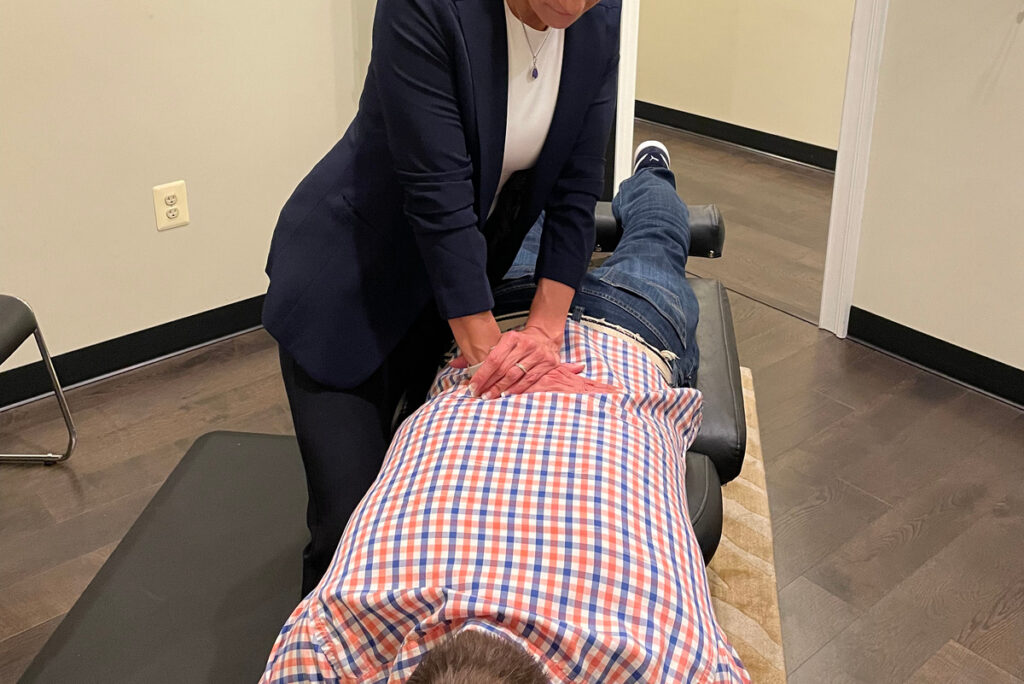

Back pain can feel overwhelming, but it doesn’t have to be a mystery. As your local chiropractor, I want to help you uncover the truth about your back pain and guide you toward effective relief. You might be surprised to learn how your posture, lifestyle choices, and even stress can contribute to your discomfort.
Understanding the anatomy of your back is just the first step to finding relief. Our spine is a complex structure that supports us every day, and maintaining its health is crucial. That’s where chiropractic care comes in. With gentle adjustments, we can help realign your spine, reduce tension, and enhance your body’s natural ability to heal.
What if the key to relief is simpler than you think? By adopting healthier habits and improving your posture, you can make a significant difference in your back health. Here are some tips to get you started:
- Practice Good Posture: Whether you’re sitting at a desk or standing, make a conscious effort to keep your back straight and shoulders relaxed. This helps reduce strain on your spine.
- Stay Active: Regular exercise strengthens your back muscles and improves flexibility. Aim for low-impact activities, like walking or swimming, that are easy on your joints.
- Manage Stress: High stress levels can lead to muscle tension, which can worsen back pain. Incorporate relaxation techniques such as deep breathing, yoga, or meditation into your routine.
- Listen to Your Body: Pay attention to how your body feels during daily activities. If something causes discomfort, modify your movements or take breaks to avoid further strain.
- Chiropractic Adjustments: Regular visits to your chiropractor can help maintain spinal health, alleviate pain, and prevent future issues. We’re here to support you on your wellness journey.
Remember, you don’t have to live with back pain. With the right knowledge and chiropractic care, you can achieve optimal health and enjoy a pain-free life. Let’s work together to crack the mystery of your back pain and find the relief you deserve!
Key Takeaways
Back Pain? Let’s Crack That Mystery Wide Open
Back pain is a common issue that many people experience, often caused by muscle strains, herniated discs, and poor posture. Understanding these root causes is the first step towards finding relief, and that’s where chiropractic care comes into play.
One of the best ways to alleviate strain on your spine is by practicing good posture and creating an ergonomic workspace. Simple adjustments, like keeping your computer screen at eye level and using supportive chairs, can make a world of difference. Chiropractic care can guide you in achieving optimal posture and ensuring your spine is properly aligned, which reduces the risk of injury.
Staying active is crucial for maintaining a healthy back. Regular physical activity strengthens the muscles that support your spine and enhances flexibility. Incorporating exercises like stretching, walking, or yoga can not only help prevent back pain but also improve your overall well-being. A chiropractor can help design a personalized exercise plan that’s right for you.
Don’t forget that emotional stress can lead to muscle tension and discomfort in your back. Managing stress through relaxation techniques, deep breathing, or mindfulness can significantly improve your spine health. Chiropractic adjustments can also help relieve stress and promote relaxation, further supporting your body’s natural healing processes.
If you’re experiencing persistent pain, severe symptoms, or any unusual changes in your body, it’s important to seek professional help. A chiropractor is trained to diagnose and treat back pain naturally, focusing on the underlying issues rather than just masking the symptoms. They can provide a tailored treatment plan that prioritizes your health and wellness.
Remember, taking small steps towards better posture, staying active, managing stress, and consulting with your chiropractor can lead to significant improvements in your back health. Let’s work together to crack the mystery of back pain and pave the way for a healthier, pain-free life!
Understanding the Anatomy of the Back
Understanding the anatomy of your back is essential for maintaining a healthy lifestyle, especially if you’re experiencing discomfort or pain. Your back consists of several key components: the vertebrae, discs, muscles, ligaments, and nerves. The spine is made up of 33 vertebrae, divided into five main regions: cervical (neck), thoracic (upper back), lumbar (lower back), sacral (pelvic area), and coccygeal (tailbone). Each region is vital for supporting your body and protecting the spinal cord.
Intervertebral discs are located between the vertebrae, serving as shock absorbers and allowing for flexibility in movement. The muscles surrounding your spine play a crucial role in maintaining good posture and enabling smooth motion. Ligaments provide stability to the spine, while nerves branch out from the spinal cord to send signals to your brain, controlling many bodily functions.
As a chiropractor, I want to emphasize that understanding your back’s anatomy can help you make informed decisions about your health. Here are some tips for caring for your back:
- Practice Good Posture: Whether you’re sitting at a desk or standing, maintaining good posture can alleviate strain on your spine. Keep your shoulders back and your feet flat on the floor.
- Stay Active: Engaging in regular physical activity strengthens the muscles that support your spine. Consider low-impact exercises like walking, swimming, or yoga to keep your back healthy.
- Listen to Your Body: If you feel pain or discomfort, don’t ignore it. Chiropractic care can help identify the root cause of your pain and provide natural, non-invasive treatment options.
- Use Proper Lifting Techniques: When lifting heavy objects, bend at your knees and keep the load close to your body to protect your back.
- Stay Hydrated: Drinking plenty of water helps keep your intervertebral discs hydrated, which is essential for their function.
Common Causes of Back Pain
When it comes to back pain, muscle strains and sprains are often the main offenders. It’s surprising, but simple daily activities can lead to these common injuries. To support your spine and promote healing, it’s essential to be mindful of your movements and posture.
Another condition that can lead to discomfort is a herniated disc. This can significantly affect your mobility and overall quality of life. Thankfully, chiropractic care is a natural, effective approach to alleviate pain and restore function.
Chiropractors focus on aligning the spine, which can relieve pressure on nerves and improve your body’s ability to heal itself. By visiting a chiropractor, you can address the root cause of your back pain rather than just masking the symptoms with medications or surgeries.
Here are some general tips to help you maintain a healthy back and prevent pain:
- Practice Good Posture: Whether sitting at a desk or lifting something heavy, maintaining good posture can help reduce strain on your back.
- Stay Active: Regular physical activity strengthens your back muscles and promotes flexibility. Activities like walking, swimming, or yoga can be particularly beneficial.
- Use Proper Lifting Techniques: When lifting objects, bend your knees and keep the load close to your body to minimize strain on your back.
- Stretch Regularly: Incorporate stretching into your daily routine to improve flexibility and reduce tension in your muscles.
Muscle Strains and Sprains
Muscle strains and sprains are among the most common causes of back pain, affecting people of all ages. These injuries can occur after lifting something heavy, twisting awkwardly, or even after a long day of sitting.
Here are some everyday scenarios that might lead to these injuries:
- Lifting a box that’s too heavy
- Twisting your body while reaching for an item
- Slipping on a wet surface and landing awkwardly
- Overstretching during a workout or exercise routine
When these situations arise, they can strain your muscles or ligaments, causing discomfort and limiting your movement. It’s important to recognize the signs of strain early on to help manage pain and prevent further injury.
As a chiropractor, I want to emphasize the importance of listening to your body. If you’re experiencing discomfort from a strain or sprain, consider chiropractic care as a natural and effective way to alleviate pain and promote healing.
Chiropractic adjustments can help restore proper alignment, improve mobility, and support your body’s natural healing processes without the need for medications or surgeries.
Here are some general tips to help you prevent muscle strains and sprains:
- Lift with your legs: When lifting heavy items, bend your knees and keep your back straight to take the strain off your back.
- Maintain good posture: Whether sitting or standing, ensure that your spine is aligned to reduce the risk of injury.
- Warm up before exercise: Take a few minutes to stretch and warm up your muscles before engaging in physical activity.
- Stay active: Regular exercise strengthens your muscles and ligaments, making them less prone to injury.
- Listen to your body: If you feel any discomfort while lifting or exercising, stop immediately and rest.
By incorporating these practices into your daily routine, you can help protect your back and overall well-being.
Herniated Discs Explained
A herniated disc can be a major source of discomfort, particularly if you lead an active lifestyle that places stress on your spine. This condition happens when the soft inner material of a disc pushes through its tougher outer layer, sometimes pressing on nearby nerves. You may feel sharp pain, numbness, or weakness in your legs or arms, depending on where the herniation occurs.
Common reasons for a herniated disc include heavy lifting, poor posture, and the natural wear and tear that comes with aging. However, there are proactive steps you can take to support your spinal health and reduce your risk of developing a herniated disc.
Firstly, maintaining a healthy weight is crucial, as excess weight can put additional strain on your spine. Secondly, practicing good body mechanics is important. When lifting heavy objects, bend at your knees and keep the load close to your body to minimize pressure on your back.
Additionally, strengthening your core muscles can provide much-needed support for your spine.
If you suspect you have a herniated disc, I encourage you to consult with a chiropractor. Chiropractic care focuses on natural healing and can be an effective way to alleviate pain and restore function without the need for surgery or medications. Through gentle adjustments and a personalized care plan, we can help you regain your mobility and improve your overall well-being.
The Role of Posture in Back Health
Your posture is crucial for maintaining a healthy back. When you slouch, especially after sitting for long periods at a desk, it can lead to discomfort and strain. But don’t worry! There are simple adjustments you can make to improve your posture and support your spine.
One of the best steps you can take is to set up an ergonomic workstation. This means arranging your desk, chair, and computer in a way that encourages proper posture. Keep your feet flat on the floor, your knees at a right angle, and your computer screen at eye level. This can significantly reduce the risk of back pain and enhance your overall comfort.
Chiropractic care is also an excellent way to ensure your spine stays healthy and aligned. Regular adjustments can help relieve pain and prevent future issues by promoting better posture and spinal health. By choosing chiropractic care, you’re opting for a natural and effective path to wellness without the need for medications or invasive procedures.
In addition to chiropractic visits, here are a few tips to help you maintain good posture throughout your day:
- Take Breaks: Stand up and stretch or walk around every hour to relieve tension in your back.
- Strengthen Your Core: Engage in exercises that strengthen your core muscles, as a strong core supports your spine.
- Mind Your Sitting Position: When sitting, keep your back straight and shoulders back. Use a small cushion if needed to support your lower back.
- Stay Active: Regular physical activity can help keep your back strong and flexible.
Impact of Slouching
While many people underestimate the importance of good posture, it’s crucial to understand how slouching can significantly affect your spinal health. When you hunch over, your spine loses its natural alignment, which can lead to discomfort and pain. Over time, this slouching can strain your muscles and ligaments, making it even harder to maintain a healthy posture.
Being mindful of how you sit and stand throughout the day is essential for your overall well-being.
Here are some effects of slouching that you should be aware of:
- Compressed Vertebrae: Poor posture can cause your vertebrae to compress, leading to increased pressure on your discs. This can result in pain and discomfort that may require chiropractic care for relief.
- Tight Chest Muscles: Slouching tightens your chest muscles, which can limit your lung capacity and affect your breathing. A chiropractor can help address these issues and improve your overall respiratory function.
- Weakened Back Muscles: When you slouch, your back muscles weaken over time, making it challenging for them to support your body properly. Chiropractic adjustments can strengthen these muscles and restore balance.
- Increased Fatigue: Poor posture can lead to increased fatigue, making daily activities feel harder. By maintaining proper alignment, you can experience more energy and vitality throughout the day.
To combat slouching and promote better posture, here are some simple tips you can incorporate into your daily routine:
- Be Mindful of Your Posture: Regularly check in with your posture while sitting, standing, or walking. Remember to keep your shoulders back and your spine straight.
- Take Frequent Breaks: If you work at a desk, take regular breaks to stand up, stretch, and move around. This helps relieve tension and keeps your body engaged.
- Strengthen Your Core: Incorporate exercises that strengthen your core muscles. A strong core supports your spine and promotes better posture.
- Visit Your Chiropractor: Regular chiropractic adjustments can help maintain proper spinal alignment and relieve discomfort caused by slouching. Your chiropractor can also provide personalized exercises to improve your posture.
By being proactive about your posture and seeking chiropractic care, you can achieve optimal health and well-being, allowing you to live life to the fullest.
Ergonomic Workstation Setup
Maintaining good posture is essential not just for standing tall, but also for creating a healthy workstation that supports your spine. As a chiropractor, I want you to know that the way you set up your workspace can significantly impact your overall well-being.
Start with your chair; it should provide firm support for your lower back. This support encourages proper spinal alignment and helps prevent discomfort. Make sure your feet rest flat on the floor, as this promotes stability and reduces strain.
Next, position your monitor at eye level. This adjustment prevents you from craning your neck, which can lead to tension and pain over time. When it comes to your keyboard and mouse, choose options that allow your arms to rest comfortably with your elbows bent at around 90 degrees. If your desk height doesn’t accommodate this posture, don’t hesitate to adjust it accordingly.
Remember to take regular breaks; standing up to stretch and move around can do wonders for alleviating tension in your body. These small habits not only enhance your comfort but also play a crucial role in reducing the risk of back pain.
By creating an ergonomic workstation, you’re taking a proactive step toward better spinal health.
And don’t forget, chiropractic care is an excellent choice for maintaining optimal health and addressing any discomfort that arises. Your spine will thank you for prioritizing its health!
How Stress and Mental Health Impact Back Pain
Stress and mental health can have a significant impact on back pain, and understanding this connection is key to finding relief. Emotional strain often shows up physically in our bodies. When you’re feeling overwhelmed, your muscles tend to tense up, which can lead to discomfort and stiffness in your back.
Here are a few common experiences you might relate to:
- You might notice a tight knot developing in your lower back after a stressful day at work.
- A sudden sharp pain may occur while you’re preoccupied with tomorrow’s deadlines.
- You might find that your shoulders hunch and ache as anxiety sets in.
- Tension can build up in your spine, making even simple movements feel exhausting.
Addressing stress and focusing on your mental well-being can significantly alleviate your back pain. Chiropractic care is an excellent choice for promoting both physical and mental wellness.
Here are some tips to help you manage stress and support your back health:
- Chiropractic Adjustments: Regular visits to your chiropractor can help align your spine, reduce tension, and relieve pain. This hands-on approach not only soothes your back but also promotes relaxation throughout your body.
- Mindfulness Practices: Incorporating mindfulness techniques, such as deep breathing or meditation, can help you manage stress levels. A calm mind contributes to a more relaxed body.
- Stay Active: Engage in regular physical activity like walking or gentle stretching. Exercise releases endorphins, which can improve your mood and reduce tension in your back.
- Seek Support: Don’t hesitate to talk about your stress with friends, family, or a professional. Sharing your feelings can lighten the load and help you find solutions.
- Posture Awareness: Be mindful of your posture throughout the day. Keeping a straight back while sitting or standing can help prevent unnecessary strain on your spine.
Injuries and Their Long-Term Effects on the Back
When you experience a back injury, you might find that its effects stick around even after the initial pain goes away. It’s important to understand that just because you feel better, it doesn’t mean your back is fully healed.
Sometimes, scar tissue can form around the injury site, which can limit your flexibility and lead to awkward movements that place extra strain on other parts of your back. This may cause you to feel recurring discomfort, especially when lifting or twisting.
These changes in how you move can result in chronic pain and make you more prone to future injuries. Plus, being more aware of your back can create a cycle of tension and anxiety, making it even harder to heal. That’s why it’s so important to listen to your body and seek help if discomfort continues.
Chiropractic care can be a game-changer when it comes to recovering from a back injury. A chiropractor can help realign your spine, reduce tension, and promote natural healing, allowing your body to regain strength and stability.
This approach helps break the cycle of pain and discomfort, guiding you toward a healthier, more balanced back.
In addition to chiropractic adjustments, here are some general tips to support your back health:
- Stay Active: Gentle exercises like walking or swimming can help maintain mobility without putting too much strain on your back.
- Practice Good Posture: Be mindful of your posture when sitting or standing. Keeping your spine aligned can prevent extra stress on your back.
- Use Proper Lifting Techniques: When lifting heavy objects, always bend your knees and keep the load close to your body to avoid straining your back.
- Incorporate Stretching: Regular stretching can improve flexibility and reduce the risk of tightness in your muscles.
- Stay Hydrated: Drinking plenty of water helps maintain the health of your spinal discs and keeps your body functioning optimally.
If you’re dealing with lingering effects from a back injury, consider visiting a chiropractor. Together, you can develop a personalized plan to help you achieve optimal health and get back to enjoying life without pain.
Lifestyle Choices That Contribute to Back Pain
Many daily habits can unknowingly contribute to back pain, making it essential to examine your lifestyle choices. You mightn’t realize that simple actions or routines can lead to discomfort over time.
Here are some common culprits, along with tips on how chiropractic care can help you achieve a healthier lifestyle:
- Poor posture: Slouching while sitting at your desk or hunching over your phone can strain your back muscles. To improve your posture, consider regular chiropractic adjustments that can align your spine and relieve tension. Additionally, practice sitting up straight, keeping your shoulders back, and using ergonomic furniture.
- Sedentary lifestyle: Spending long hours sitting without breaks can weaken your core and back muscles. Incorporating gentle stretches and movements throughout the day can promote better spinal health. Chiropractic care can also help strengthen these muscles, enhancing your overall stability and posture.
- Inadequate footwear: Wearing unsupportive shoes, especially for long periods, can affect your spine alignment. Invest in shoes that provide proper arch support and cushioning. Regular visits to your chiropractor can help address any misalignments caused by poor footwear and recommend exercises to strengthen your feet and ankles.
- Improper lifting techniques: Bending at the waist instead of using your legs when lifting heavy objects can lead to injury. Always remember to bend your knees and keep your back straight. If you’re experiencing pain from past lifting injuries, chiropractic care can help alleviate that discomfort and guide you on safer lifting practices.
By being mindful of these habits and incorporating chiropractic care into your wellness routine, you can significantly reduce your risk of back pain and enhance your overall health.
Embrace a lifestyle that prioritizes spinal health for a more comfortable and active life!
Medical Conditions Linked to Back Discomfort
Back discomfort can often arise from a variety of medical conditions that may not seem directly related to the spine at first glance. For example, arthritis can lead to inflammation in the spine, which often results in persistent pain that can be quite uncomfortable.
Similarly, herniated discs can create issues by pressing on nearby nerves, causing sharp or radiating pain that can affect your daily life. Conditions like sciatica, where the sciatic nerve gets compressed, can also lead to significant back problems.
Interestingly, some seemingly unrelated health concerns, such as kidney stones or infections, can manifest as back pain, making it challenging to pinpoint the exact cause. Even fibromyalgia, a condition characterized by widespread discomfort, can include back pain among its symptoms.
If you’re experiencing ongoing back issues, it’s vital to consult a healthcare professional, ideally a chiropractor, who can help identify the underlying causes of your discomfort. Chiropractic care focuses on natural healing and maintaining spinal health, which can lead to significant relief from back pain.
Here are a few general tips to help manage your back discomfort and support your overall wellness:
- Stay Active: Regular gentle exercise can help strengthen the muscles that support your back, improving flexibility and reducing pain.
- Practice Good Posture: Being mindful of your posture while sitting, standing, or lifting can prevent strain on your back.
- Use Proper Lifting Techniques: Always lift with your legs, not your back. Bend at the knees and keep the object close to your body.
- Stretch: Incorporate stretches into your daily routine to maintain flexibility and relieve tension in your back muscles.
- Stay Hydrated: Drinking plenty of water supports overall health and can help keep your spinal discs hydrated.
By incorporating these tips into your lifestyle and seeking chiropractic care, you can work towards achieving optimal health and finding relief from that nagging discomfort.
Effective Strategies for Prevention and Relief
While it may feel like back pain is a common part of life, there are effective strategies that can help you prevent and relieve discomfort. Embracing these practices can’t only strengthen your back but also improve your overall health—making chiropractic care a valuable part of your wellness journey.
- Incorporate Regular Stretches: Gentle stretching keeps your muscles flexible and reduces tension, making it easier for your spine to maintain its natural alignment. Consider simple stretches that you can do throughout the day to keep your back healthy.
- Prioritize Good Posture: Whether sitting or standing, maintaining proper alignment is crucial. Good posture minimizes strain on your back and can help prevent pain before it starts. Remember, your spine loves to be aligned!
- Stay Active: Engage in low-impact activities like walking or swimming. These exercises aren’t only gentle on your joints but also help build strength and stability in your back. Regular movement is key to a healthy spine.
- Lift with Care: Always use your legs when lifting heavy objects rather than your back. This technique helps to avoid unnecessary stress on your spine and reduces the risk of injury.
Chiropractic care can play a pivotal role in your journey toward a pain-free life. Regular adjustments from your chiropractor can help keep your spine in optimal condition, alleviate discomfort, and support your body’s natural healing processes.
When to Seek Professional Help for Back Pain
When should you think about seeking professional help for back pain? If your discomfort lasts longer than a few weeks, it’s a good idea to consult a chiropractor. Natural healing through chiropractic care can provide relief and help restore your spine’s health.
Seek immediate assistance if you’re experiencing severe pain, especially if it travels down your legs or is accompanied by tingling or numbness. These can be signs that your nervous system is affected, and a chiropractor can help address these issues effectively.
If daily activities like bending or lifting become difficult, don’t hesitate to reach out for help. Chiropractors specialize in alleviating pain and improving mobility, allowing you to get back to your routine without discomfort.
Additionally, if your pain results from an injury or accident, it’s wise to see a chiropractor as soon as possible. They can assess your condition and provide a tailored treatment plan to aid your recovery.
Be mindful of any unusual symptoms like unexplained weight loss, fever, or changes in bowel or bladder function; these warrant immediate attention from a healthcare professional.
Listen to your body—if something feels off, it’s better to get checked out. Remember, chiropractic care focuses on treating the root cause of your pain, promoting overall wellness and helping you return to your normal activities faster.
Don’t let back pain dictate your life; take proactive steps towards healing and wellness today!