

After a car accident, even what seems like a minor fender bender can leave your body dealing with pain, stiffness, and hidden injuries that may not show up right away. Many people in Fredericksburg, VA walk away from a collision feeling fine, only to wake up days later with neck pain, headaches, or back discomfort. At Wilderness Family Chiropractic, Dr. Christine Stewart sees patients regularly who are surprised by how much their bodies were affected by the impact. The good news is that chiropractic care offers safe, non-invasive treatment options specifically designed to help your body heal properly after trauma. Understanding what chiropractic treatments are available after a car accident can help you make informed decisions about your recovery and get you back to feeling like yourself again.
What is post-accident chiropractic care? Post-accident chiropractic care involves specialized assessments and treatment techniques designed to address musculoskeletal injuries caused by vehicle collisions. These treatments focus on restoring proper alignment, reducing inflammation, relieving pain, and helping soft tissues heal correctly without relying on medications or surgery.
Table of Contents
- Why Car Accidents Cause Delayed Symptoms
- Common Injuries From Vehicle Collisions
- Initial Chiropractic Assessment After an Accident
- Spinal Adjustments for Accident Recovery
- Soft Tissue Therapies
- Therapeutic Exercises and Rehabilitation
- Modalities Used in Accident Recovery
- Treatment Timeline and What to Expect
- Coordinating With Other Healthcare Providers
- Treatment Approach Comparison
- Myths vs. Facts About Chiropractic After Accidents
- Final Thoughts
Why Car Accidents Cause Delayed Symptoms
One of the most confusing aspects of car accident injuries is that you might not feel pain immediately. This delayed response happens for several physiological reasons. During and immediately after a collision, your body releases a surge of adrenaline and endorphins. These natural chemicals are part of your fight-or-flight response, and they temporarily mask pain signals. This is why many people can exchange insurance information, drive home, and go about their day feeling completely normal.
Inflammation also takes time to develop. When your neck whips forward and backward during impact, or when your body jolts against a seatbelt, the soft tissues—muscles, ligaments, and tendons—experience microscopic tears and stretching. The inflammatory response that causes swelling, stiffness, and pain doesn’t reach its peak for 24 to 72 hours after the injury. By the time you wake up the next morning or a few days later, the adrenaline has worn off and the inflammation has set in, which is when the real discomfort begins.
Dr. Christine Stewart often explains to patients at Wilderness Family Chiropractic that this delayed onset doesn’t mean the injury is less serious. In fact, whiplash and other soft tissue injuries can become chronic if not properly addressed early. The longer these misalignments and tissue injuries go untreated, the more likely scar tissue will form incorrectly, leading to restricted movement and ongoing pain.
Common Injuries From Vehicle Collisions
Car accidents create sudden, forceful movements that the body isn’t prepared for. The most common injury seen after collisions is whiplash, which occurs when the head and neck are rapidly thrown forward and then backward. This hyperextension and hyperflexion can strain the cervical spine, damage the soft tissues, and cause misalignments in the vertebrae. Symptoms include neck pain, stiffness, headaches, dizziness, and sometimes numbness or tingling in the arms.
Lower back injuries are also extremely common, especially in rear-end collisions. The lumbar spine absorbs tremendous force during impact, which can lead to muscle strains, ligament sprains, herniated discs, or facet joint dysfunction. Patients often report pain that radiates down into the hips or legs, difficulty sitting or standing for long periods, and muscle spasms in the lower back.
Shoulder and mid-back pain frequently develop from the force of the seatbelt restraining the body during collision. While seatbelts save lives, they also create significant stress on the shoulder girdle and thoracic spine. Additionally, many people brace themselves by gripping the steering wheel tightly before impact, which can cause injuries to the hands, wrists, shoulders, and upper back.
Headaches following car accidents are often related to cervical spine dysfunction or muscle tension in the neck and upper shoulders. These post-traumatic headaches can range from dull, constant pressure to severe migraines. Joint dysfunction in the upper cervical vertebrae can irritate nerves and restrict blood flow, contributing to persistent head pain.
Initial Chiropractic Assessment After an Accident
When you visit Wilderness Family Chiropractic after a car accident, the first appointment is focused entirely on understanding the full extent of your injuries. Dr. Christine Stewart will begin with a detailed consultation about the accident itself—the direction of impact, whether you were braced for it, the speed of the vehicles involved, and what symptoms you’ve noticed since the collision. This information helps paint a picture of what forces your body experienced.
A thorough physical examination follows, which includes evaluating your posture, range of motion, reflexes, and areas of tenderness or swelling. Dr. Stewart will check for misalignments in the spine, assess muscle tone and trigger points, and perform orthopedic tests to identify which structures have been injured. Neurological testing helps determine if there’s any nerve involvement, which is particularly important with symptoms like numbness, tingling, or radiating pain.
In many cases, imaging such as X-rays may be recommended to rule out fractures or to visualize spinal alignment issues. While chiropractors don’t treat fractures or severe injuries requiring emergency care, these images help ensure that chiropractic treatment is safe and appropriate for your specific condition. The goal of this initial assessment is to create an accurate diagnosis and develop a customized treatment plan that addresses all of your injuries.

Spinal Adjustments for Accident Recovery
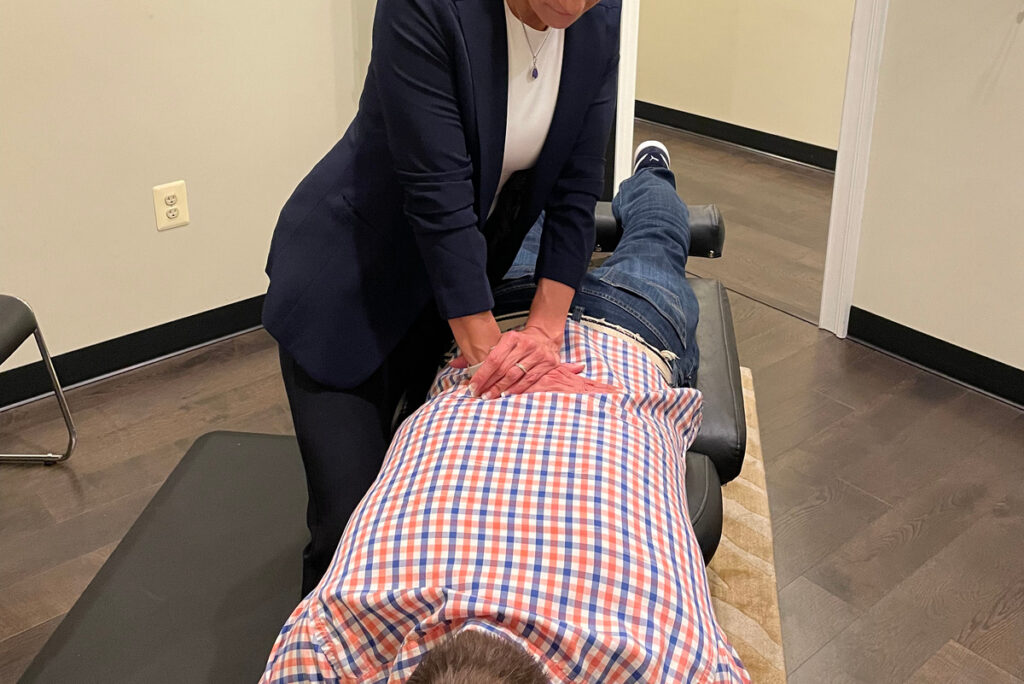
Spinal adjustments, also called spinal manipulations, are a cornerstone of chiropractic treatment after car accidents. When vertebrae become misaligned due to the force of a collision, they can put pressure on nerves, restrict movement, and cause significant pain. A chiropractic adjustment involves applying controlled, precise force to a joint to restore proper alignment and mobility.
After an accident, adjustments are typically performed very gently, especially in the early stages of healing. Dr. Christine Stewart uses a variety of techniques depending on the location and severity of the injury. For neck injuries, gentle cervical adjustments help restore the natural curve of the neck and relieve pressure on nerves. For lower back injuries, lumbar adjustments address misalignments in the vertebrae that may be contributing to muscle spasm and pain.
The benefits of spinal adjustments after car accidents include improved range of motion, reduced inflammation, decreased muscle tension, and better nerve function. Research suggests that early chiropractic intervention after whiplash injuries can lead to better long-term outcomes and reduce the risk of chronic pain. Adjustments help break the pain-spasm-pain cycle that often develops after trauma, allowing the body to heal more efficiently.
It’s important to understand that post-accident adjustments aren’t a one-time fix. Depending on the severity of your injuries, you may need multiple sessions over several weeks or months. Consistency is key to achieving lasting results and preventing long-term complications from improperly healed tissues.
Soft Tissue Therapies
While spinal adjustments address joint alignment, soft tissue therapies focus on healing the muscles, ligaments, and tendons that have been damaged in the accident. These therapies are essential because soft tissue injuries often take longer to heal than bone injuries and can lead to chronic problems if not properly treated.
Myofascial release is a technique that involves applying sustained pressure to tight, restricted areas of muscle and fascia. After a car accident, muscles often become knotted and shortened due to spasm and inflammation. Myofascial release helps lengthen these tissues, improve blood flow, and reduce pain. This hands-on therapy can be particularly effective for treating the neck and shoulder tension that commonly develops after collisions.
Trigger point therapy targets specific points of muscle tightness that refer pain to other areas of the body. For example, trigger points in the upper trapezius muscles can cause headaches and neck pain. By applying pressure to these points, the muscle fibers relax and pain is reduced. Many patients at Wilderness Family Chiropractic find this technique provides immediate relief from muscle-related discomfort.
Instrument-assisted soft tissue mobilization uses specialized tools to break down scar tissue and adhesions that form during the healing process. When soft tissues heal after an injury, they can develop fibrous scar tissue that restricts movement and causes ongoing pain. This technique helps remodel that tissue so it becomes more flexible and functional. It’s particularly useful several weeks after an accident when the initial inflammation has subsided but stiffness remains.
Therapeutic Exercises and Rehabilitation
Active rehabilitation through therapeutic exercises is a critical component of recovery after a car accident. While passive treatments like adjustments and soft tissue work provide relief, exercises help rebuild strength, restore function, and prevent future injury. Dr. Christine Stewart typically introduces exercises gradually as patients progress through their healing.
In the early stages, exercises focus on gentle range-of-motion movements to prevent stiffness and maintain flexibility. For neck injuries, this might include slow, controlled chin tucks, neck rotations, and shoulder rolls. For lower back injuries, pelvic tilts and gentle knee-to-chest stretches help maintain mobility without aggravating healing tissues.
As healing progresses, strengthening exercises are introduced to rebuild the muscles that support the spine. Weak postural muscles contribute to ongoing pain and make you more vulnerable to future injuries. Core strengthening exercises, including planks and bird-dogs, help stabilize the lumbar spine. Cervical strengthening exercises using resistance bands help support the neck and prevent future whiplash-type injuries.
Balance and proprioception exercises are also important, especially if you experienced any dizziness or balance issues after the accident. These exercises retrain your nervous system to properly sense your body’s position in space, which can be disrupted by neck injuries and vestibular dysfunction.
The exercise program at Wilderness Family Chiropractic is always customized to your specific injuries, fitness level, and goals. Patients receive clear instructions, demonstrations, and handouts so they can safely perform exercises at home between appointments.
Modalities Used in Accident Recovery
In addition to hands-on treatments and exercises, several therapeutic modalities can support healing after a car accident. These technologies and techniques complement chiropractic care by reducing inflammation, managing pain, and accelerating tissue repair.
Ice therapy is typically used in the first 48 to 72 hours after an accident to control inflammation and numb acute pain. Cold reduces blood flow to injured areas, which helps minimize swelling. After the initial inflammatory phase passes, heat therapy becomes more beneficial. Heat increases blood flow, relaxes tight muscles, and prepares tissues for adjustments and soft tissue work.
Electrical muscle stimulation uses mild electrical currents to cause muscles to contract and relax rhythmically. This technique helps reduce muscle spasm, increase circulation, and decrease pain. Many patients find it deeply relaxing and report significant relief from muscle tightness after these sessions.
Ultrasound therapy delivers sound waves deep into soft tissues, creating a gentle warming effect that promotes healing. The vibrations help break down scar tissue, reduce inflammation, and improve blood flow to injured areas. Ultrasound is particularly effective for treating deep muscle strains and ligament sprains that are common after car accidents.
These modalities are used strategically throughout your treatment plan based on where you are in the healing process. Dr. Stewart determines which modalities will be most beneficial at each stage of recovery to optimize results and speed your return to normal activities.

Treatment Timeline and What to Expect
Every car accident injury is unique, so treatment timelines vary considerably depending on the severity of impact, the specific structures injured, your overall health, and how quickly you sought care. However, there are general phases that most patients move through during recovery.
The acute phase typically lasts one to two weeks after the accident. During this time, the focus is on controlling pain and inflammation, restoring basic movement, and preventing further injury. Treatment frequency is usually higher during this phase, with patients often seen two to three times per week. Adjustments are very gentle, and modalities like ice and electrical stimulation are used to manage acute symptoms.
The recovery phase generally spans weeks three through eight. Pain and inflammation decrease significantly, and the focus shifts to restoring full range of motion, rebuilding strength, and correcting movement patterns. Treatment frequency typically reduces to once or twice weekly. This is when therapeutic exercises become more prominent, and patients begin to feel more like themselves again.
The rehabilitation phase extends from week eight onward, sometimes continuing for several months depending on injury severity. The goal during this phase is to achieve maximum medical improvement, prevent chronic problems, and prepare the body to handle normal daily activities without pain. Treatment frequency drops to every other week or monthly as patients transition to independent home care programs.
It’s important to complete the full course of treatment even when you start feeling better. Many patients make the mistake of stopping care too soon because their pain has decreased. However, pain reduction doesn’t always mean complete healing. Tissues continue to remodel for months after an injury, and premature discontinuation of care can lead to incomplete healing, scar tissue formation, and chronic problems down the road.
Coordinating With Other Healthcare Providers
Chiropractic care works best as part of a comprehensive approach to accident recovery. At Wilderness Family Chiropractic in Fredericksburg, Dr. Christine Stewart recognizes that some injuries require co-management with other healthcare professionals to achieve the best outcomes.
If imaging reveals fractures, severe disc herniations, or other conditions outside the scope of chiropractic care, appropriate referrals are made immediately. Chiropractors are trained to recognize red flags that indicate more serious injuries requiring medical intervention. Your safety is always the top priority, and Dr. Stewart will ensure you receive the right type of care for your specific situation.
In some cases, working alongside your primary care physician, an orthopedist, or a physical therapist creates a more complete treatment approach. For example, if you’re dealing with significant anxiety or sleep disturbances after the accident, coordinating with a mental health professional can be beneficial. If you need pain management while tissues heal, your medical doctor can provide appropriate medications while chiropractic care addresses the underlying structural issues.
Communication between providers ensures everyone is working toward the same goals and that treatments complement rather than contradict each other. Many patients find that combining chiropractic care with massage therapy, acupuncture, or other complementary treatments accelerates their recovery and provides more comprehensive relief.
Treatment Approach Comparison
| Treatment Type | Primary Focus | Best Used For | Typical Frequency |
|---|---|---|---|
| Spinal Adjustments | Restoring joint alignment and mobility | Misalignments, restricted movement, nerve pressure | 2-3x weekly initially, reducing over time |
| Soft Tissue Therapy | Healing muscles, ligaments, tendons | Muscle spasm, trigger points, scar tissue | With each adjustment session |
| Therapeutic Exercise | Rebuilding strength and preventing re-injury | Weakness, instability, poor movement patterns | Daily home exercises plus in-office instruction |
| Therapeutic Modalities | Reducing inflammation and managing pain | Acute inflammation, muscle spasm, pain control | As needed based on healing phase |
Myths vs. Facts About Chiropractic After Accidents
Myth: You should wait to see if pain develops before seeking chiropractic care
Fact: Early intervention leads to better outcomes. Waiting allows inflammation to set in, scar tissue to form improperly, and misalignments to become more entrenched. Evidence indicates that patients who seek chiropractic care within the first few days after an accident experience faster recovery and are less likely to develop chronic pain.
Myth: Chiropractic adjustments after an accident are dangerous or too aggressive
Fact: Post-accident chiropractic care is extremely gentle and specifically modified for injured tissues. Dr. Christine Stewart uses low-force techniques appropriate for acute injuries and always works within your comfort level. Adjustments are safe when performed by a trained chiropractor who has conducted a thorough evaluation.
Myth: If the X-rays look normal, there’s no real injury
Fact: X-rays primarily show bones and major structural problems like fractures. They don’t visualize soft tissue injuries such as muscle strains, ligament sprains, or disc damage. Most car accident injuries involve soft tissues, which means you can have significant injuries even with normal X-rays. This is why a comprehensive physical examination is essential.
Myth: Once the pain goes away, you’re completely healed
Fact: Pain reduction is an important milestone, but it doesn’t necessarily mean tissues have fully healed. Soft tissues can take months to completely repair and remodel. Stopping treatment too early can lead to incomplete healing, weakness, and increased risk of re-injury or chronic problems. Following through with the full treatment plan is crucial.
Myth: Chiropractic care after an accident is just about cracking your back
Fact: Comprehensive chiropractic care includes spinal adjustments, but also soft tissue therapies, rehabilitative exercises, lifestyle modifications, ergonomic advice, and patient education. The goal is total healing and restoration of function, not just temporary pain relief. At Wilderness Family Chiropractic, treatment plans address all aspects of recovery.
Final Thoughts
Recovering from a car accident injury takes time, patience, and the right care approach. Here in Fredericksburg, VA, many patients have found that chiropractic care at Wilderness Family Chiropractic provides the comprehensive, conservative treatment they need to heal properly and return to their normal activities. Dr. Christine Stewart and her team are committed to helping accident victims understand their injuries, navigate the recovery process, and achieve the best possible outcomes without relying solely on medications or invasive procedures.
Whether you’re dealing with whiplash, back pain, headaches, or stiffness after a collision, seeking professional evaluation sooner rather than later gives you the best chance for complete recovery. Chiropractic care offers a safe, effective, evidence-based approach to healing that addresses the root causes of your pain rather than just masking symptoms. If you’ve been in a car accident, even if you don’t think you’re seriously injured, getting checked by a chiropractor can help prevent small problems from becoming chronic conditions.
Your body has an amazing ability to heal when given the right support. With proper care, most people return to full function and leave their accident injuries behind them. Don’t let fear or uncertainty keep you from getting the help you need. Wilderness Family Chiropractic is here to guide you through every step of your recovery journey with compassion, expertise, and personalized attention.
Frequently Asked Questions
How soon after a car accident should I see a chiropractor?
Ideally, you should be evaluated within 72 hours of the accident, even if you don’t have symptoms yet. Early assessment and treatment can prevent acute injuries from becoming chronic problems. The sooner misalignments and soft tissue injuries are addressed, the faster and more complete your recovery tends to be.
Will chiropractic adjustments hurt if I’m already in pain from the accident?
Post-accident adjustments are specifically modified to be gentle and appropriate for your injury level. Dr. Christine Stewart uses low-force techniques that work with your body rather than forcing it. Most patients report feeling relief rather than increased pain, and techniques are always adjusted based on your comfort and feedback.
Can I see a chiropractor if I’m already taking pain medication?
Yes, chiropractic care and pain medication can work together during recovery. Many patients find that as chiropractic treatment progresses, they’re able to reduce or eliminate their reliance on medications. Always inform Dr. Stewart about any medications you’re taking so your treatment plan can be coordinated appropriately.
How many chiropractic treatments will I need after a car accident?
Treatment duration varies based on injury severity, how quickly you sought care, your overall health, and how well you follow the treatment plan. Mild injuries might resolve in a few weeks with 6 to 12 visits, while more significant injuries may require several months of care. Dr. Stewart will discuss realistic expectations during your initial consultation.
What if my symptoms get worse before they get better?
Some temporary soreness after the first few treatments is normal as your body adjusts and begins healing. However, significant worsening of symptoms should be reported immediately. This could indicate that treatment needs to be modified or that additional evaluation is necessary. Open communication with your chiropractor ensures safe, effective care.
Can chiropractic care help with headaches that developed after my accident?
Yes, post-accident headaches often respond very well to chiropractic care, especially when they’re caused by cervical spine dysfunction or muscle tension. Adjustments to the upper neck, along with soft tissue work on the muscles at the base of the skull, frequently provide significant relief. Research suggests that chiropractic care can be effective for various types of headaches related to neck injuries.
TL;DR – Key Takeaways
- Car accident injuries often have delayed symptoms due to adrenaline and inflammation timing, making early chiropractic evaluation important even if you feel fine initially.
- Common post-accident treatments include spinal adjustments, soft tissue therapies, therapeutic exercises, and supportive modalities, all customized to your specific injuries and healing phase.
- Recovery typically progresses through acute, recovery, and rehabilitation phases over several weeks to months, with treatment frequency decreasing as you improve.
- Comprehensive chiropractic care addresses not just pain relief but complete healing of joints, muscles, and nerves to prevent chronic problems and restore full function.
- Seeking care at Wilderness Family Chiropractic in Fredericksburg, VA within days of an accident gives you the best chance for optimal recovery under the expert guidance of Dr. Christine Stewart.