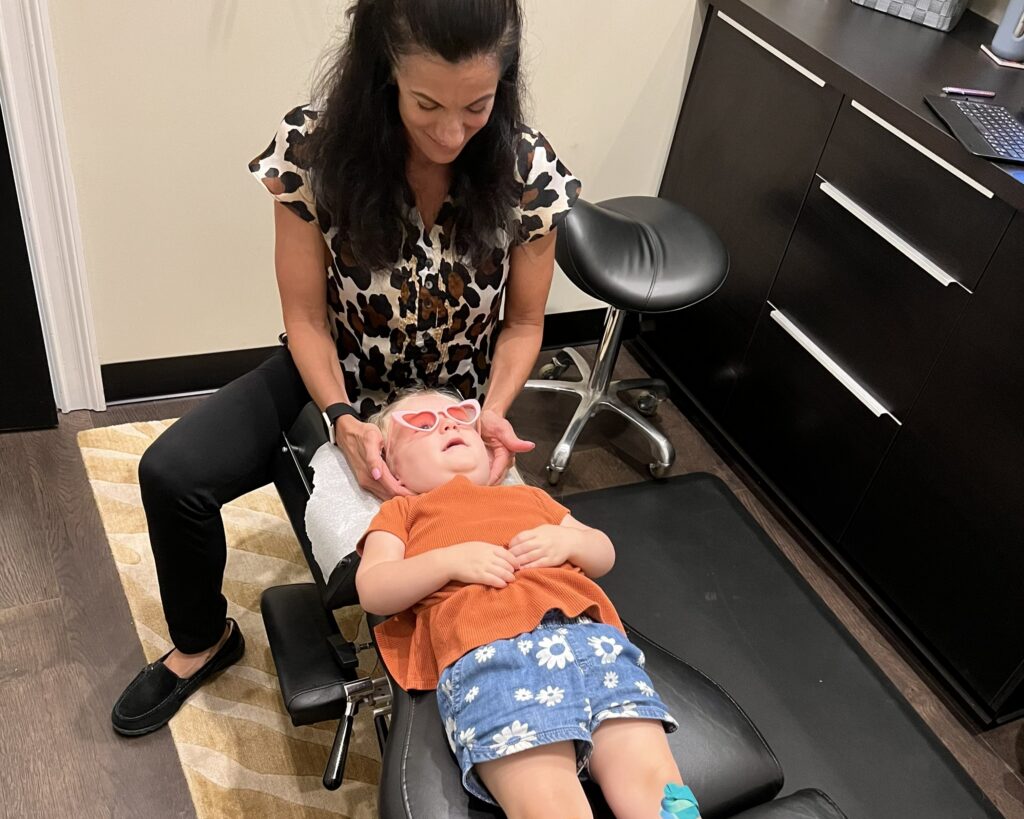

Improving your flexibility is crucial for overall physical health, and with the right approach, it can become an achievable goal. As a chiropractor, I believe that chiropractic care is one of the best ways to enhance your flexibility naturally. Through personalized assessments, we can identify your unique needs and create a tailored stretching program designed just for you.
Chiropractors are skilled in various techniques that not only improve your range of motion but also support your body’s natural healing processes. We focus on ensuring that your spine is aligned, which can significantly impact your flexibility and overall well-being. When your spine is healthy, your muscles and joints function better, allowing for greater movement and flexibility.
If you’re wondering how to incorporate flexibility training into your routine, here are some tips that can help:
- Start Slowly: Begin with gentle stretches and gradually increase intensity as your body adapts. Listen to your body and avoid pushing through pain.
- Consistency is Key: Aim to stretch regularly, ideally every day. Consistent practice helps improve flexibility over time.
- Warm Up First: Always warm up your muscles before stretching. Simple movements like walking or light aerobic activity can prepare your muscles for deeper stretches.
- Focus on Breathing: Breathe deeply and steadily while stretching. This helps relax your muscles and allows for a deeper stretch.
- Incorporate Chiropractic Care: Regular visits to a chiropractor can enhance your flexibility by ensuring your spine is aligned and your muscles are functioning optimally. We can also guide you through specific stretches that benefit your body type.
By prioritizing chiropractic care and following these tips, you can improve your flexibility and enjoy the benefits of a healthier, more active lifestyle. Remember, flexibility is not just about being able to touch your toes; it’s about supporting your body for all the movements you engage in daily. Let’s work together towards your wellness goals!
Key Takeaways
Enhance Your Flexibility with Chiropractic Care
- At our practice, we start with personalized assessments conducted by our skilled chiropractic team. This allows us to create customized flexibility programs tailored to your unique needs, ensuring you receive the best care possible.
- We emphasize the importance of effective stretching techniques in our sessions. Proper form is essential to reduce the risk of injury while improving flexibility. Our chiropractors are here to guide you through these techniques to ensure you’re getting the most out of your routine.
- Manual therapy is a key part of our approach. Through gentle soft tissue work and joint mobilization, we help improve circulation and overall function. This not only supports your flexibility gains but also promotes a natural healing process in your body.
- Regular chiropractic adjustments are vital for enhancing spinal alignment. A well-aligned spine means better movement and increased flexibility over time. By addressing spinal misalignments, we can help you move more freely and comfortably.
- To help you stay on track, we recommend keeping a flexibility journal. This simple tool allows you to monitor your progress and can serve as a great motivator in your journey toward improved flexibility.
Remember, chiropractic care is a natural and effective way to achieve optimal health and wellness. By focusing on your spine and overall body mechanics, we can help you live a more active and pain-free life. If you have any questions or need assistance, don’t hesitate to reach out to our team. We’re here to support you every step of the way!
Understanding the Importance of Flexibility
Flexibility isn’t just about being able to touch your toes; it’s a crucial part of maintaining your overall physical health. As a chiropractor, I often see how improving flexibility can significantly enhance your range of motion. This means that everyday activities, like bending down to tie your shoes or reaching for items on a high shelf, become much easier and more enjoyable when your body is flexible.
Additionally, flexibility is key to preventing injuries. Tight muscles can lead to strains and sprains, which can cause discomfort and limit your mobility. By maintaining flexibility, you help your muscles and joints work more effectively.
I often recommend incorporating gentle stretching exercises into your daily routine. Not only does this help to improve flexibility, but it also supports better posture. Good posture is essential for proper spinal alignment, which can reduce discomfort and enhance your overall well-being.
Here are a few simple tips to help you improve your flexibility:
- Start Slow: Begin with gentle stretches and gradually increase your range. This helps avoid injury and makes stretching more enjoyable.
- Consistency is Key: Aim to include flexibility exercises in your routine a few times a week. Even just a few minutes a day can make a big difference over time.
- Focus on Breathing: When stretching, take deep breaths. This not only helps relax your muscles but also enhances the effectiveness of the stretch.
- Listen to Your Body: If a stretch feels painful, ease back. You should feel a comfortable stretch, not pain.
- Incorporate Chiropractic Care: Regular chiropractic adjustments can help improve your overall flexibility by ensuring your spine is aligned and your nervous system is functioning optimally.
Benefits of Professional Flexibility Training
Improving your flexibility can significantly enhance your overall health and physical performance, and seeking professional flexibility training can provide you with tailored guidance that elevates your progress. As a local chiropractor, I encourage you to consider how enhancing your flexibility is intrinsically linked to spinal health and overall wellness.
With the help of a professional trainer, you can receive personalized assessments and programs that cater specifically to your body’s needs. This means you won’t waste time on ineffective stretches that don’t align with your unique flexibility goals. Instead, you’ll learn movements that contribute to a healthier spine and improved posture, which are crucial for long-term wellness.
Furthermore, professionals can teach you proper techniques that help prevent injuries, ensuring you’re moving within safe limits. It’s essential to listen to your body and avoid pushing yourself too hard, as this can lead to strain and discomfort. Staying committed to your flexibility journey is easier with motivation and accountability from a trainer, but remember, incorporating chiropractic care into your routine can also provide the support you need for pain relief and natural healing.
Additionally, gaining access to knowledge about the anatomy and biomechanics of stretching can deepen your understanding of how your body works, especially concerning your spine. Understanding your body better empowers you to maintain good posture and prevent injuries.
In summary, prioritizing flexibility training isn’t just about increasing your range of motion; it’s about enhancing your overall fitness and health. By combining professional flexibility training with chiropractic care, you’re making a smart investment in your physical well-being.
Remember to listen to your body, incorporate gentle stretches into your daily routine, and consider seeking chiropractic adjustments to keep your spine aligned and functioning optimally. This holistic approach will help you achieve better health and wellness naturally.
Techniques Used by Professionals
When it comes to improving flexibility, chiropractic care offers a unique approach that can greatly enhance your mobility and overall well-being. As a chiropractor, I often utilize specific stretching techniques that focus on various muscle groups, helping to relieve tension and improve flexibility.
Additionally, manual therapy techniques are employed to ensure that your spine and surrounding muscles are functioning optimally. By incorporating these practices into your routine, you can significantly elevate your own flexibility training.
Here are some helpful tips to consider:
- Gentle Stretching: Start with gentle stretches that target major muscle groups. Focus on areas like your hamstrings, hips, and shoulders, as these are often tight and can benefit from increased flexibility.
- Breathing Techniques: Pair your stretches with deep breathing. This not only helps to relax your muscles but also promotes better oxygen flow, enhancing the effectiveness of your stretches.
- Regular Movement: Incorporate regular movement into your day. Simple activities like walking or light activities can keep your muscles engaged and prevent stiffness.
- Chiropractic Adjustments: Regular chiropractic adjustments can help align your spine, allowing for better movement and flexibility. This natural approach can relieve tension and improve your overall physical function.
- Hydration: Staying hydrated is crucial for muscle health. Water helps maintain elasticity in your muscles and joints, making it easier to stretch and move.
By focusing on these strategies and incorporating chiropractic care into your wellness routine, you can achieve optimal flexibility and overall health.
Stretching Strategies for Flexibility
In the pursuit of optimal health and wellness, many individuals tend to prioritize strength training, but it’s crucial to remember the significant role that stretching plays in overall flexibility and spinal health.
As a chiropractor, I recommend starting your stretching routine with dynamic stretches, such as leg swings or arm circles. These movements help warm up your muscles and prepare your body for deeper stretches.
Once your muscles are warmed up, transition to static stretches, holding each position for 15-30 seconds. This allows your muscles to lengthen and promotes better flexibility, which is essential for maintaining a healthy spine.
Incorporating PNF (Proprioceptive Neuromuscular Facilitation) stretching can also be beneficial. This method involves contracting and relaxing your muscles, leading to deeper and more effective stretches.
To truly reap the benefits of stretching, consistency is key. Aim to incorporate stretching into your routine at least three times a week. It’s particularly beneficial to stretch after your workouts, as this can aid in recovery and enhance your flexibility over time.
Listening to your body is vital—never push beyond your limits, as this can lead to injuries that may require chiropractic adjustment. Instead, focus on gentle movements that promote comfort and relaxation.
Manual Therapy Techniques
Incorporating stretching into your daily routine is a fantastic way to enhance your flexibility and prepare your body for the benefits of chiropractic care. As a chiropractor, I believe that manual therapy techniques can play a pivotal role in relieving tension, improving your range of motion, and promoting overall recovery without the need for medications or surgeries.
Here are some common manual therapy techniques you might experience during a chiropractic session:
| Technique | Purpose |
|---|---|
| Soft Tissue Mobilization | Helps reduce muscle tightness and boost circulation, making it easier for your body to heal naturally. |
| Joint Mobilization | Aims to improve joint function and alleviate pain, allowing you to move more freely and comfortably. |
| Myofascial Release | Targets the fascia—the connective tissue in your body—to relieve restrictions and enhance flexibility. |
Remember, regular stretching not only complements these techniques but also supports your overall wellness journey. Here are a few simple tips to keep in mind:
- Stay Consistent: Aim to stretch daily, even if it’s just for a few minutes. Consistency is key to seeing improvements.
- Listen to Your Body: Stretch gently and never push yourself to the point of pain. If something doesn’t feel right, ease up.
- Incorporate Breathing: Pair your stretches with deep breathing to help your body relax and enhance the benefits.
Choosing the Right Specialist for Your Needs
How do you choose the right specialist to enhance your flexibility? Start by identifying your specific needs. Whether you’re dealing with an injury, chronic stiffness, or just looking to improve your overall flexibility, knowing your goals will help you narrow down your options.
As a chiropractor, I believe that chiropractic care is an excellent choice for addressing flexibility issues, as it focuses on the spine and overall body function.
Look for practitioners who specialize in flexibility training, particularly those who understand the importance of spinal health. Chiropractors are trained in anatomy and movement, and we take a holistic approach to wellness that can help improve your flexibility naturally.
Next, check their qualifications and experience. A skilled chiropractor will have a solid background in anatomy and movement, which is crucial for enhancing flexibility. Reading reviews or asking for referrals can also give you insight into their effectiveness and patient satisfaction.
Don’t forget to evaluate their approach and techniques. Chiropractors often use manual therapy, which can help relieve tension and improve mobility. Additionally, many incorporate stretching techniques and exercises tailored to your individual needs. It’s essential to find a specialist whose methods resonate with you.
Finally, trust your instincts—choose someone you feel comfortable with. A good rapport with your chiropractor can greatly enhance your progress toward better flexibility and overall health.
Incorporating Flexibility Training Into Your Routine
To boost your flexibility and support your overall wellness, it’s important to incorporate specific flexibility training into your daily routine. As a chiropractor, I believe that enhancing your flexibility can greatly contribute to spinal health and alleviate tension throughout your body.
Start with small, manageable steps and gradually increase the intensity and duration of your flexibility exercises. Here are some effective approaches to seamlessly integrate flexibility training into your life:
- Morning Stretches: Kickstart your day with gentle stretches that warm up your muscles and joints. This practice not only enhances flexibility but also prepares your spine for the activities ahead.
- Workplace Breaks: Make it a habit to take short breaks during your workday. Stand up, stretch, and relieve any built-up tension. This simple act can help maintain good spinal posture and prevent discomfort.
- Yoga Classes: Consider joining a local yoga class or following online sessions. Yoga is a fantastic way to improve flexibility while also promoting relaxation and mindfulness, which are essential for overall health.
- Post-Workout Stretching: Always take time to stretch after your workouts. This not only aids in recovery but also enhances flexibility, ensuring your spine and muscles stay healthy and resilient.
- Evening Wind Down: Conclude your day with a calming stretching session. This not only helps relax your body and mind but also prepares you for a restful night’s sleep, which is crucial for healing and recovery.
Incorporating these practices into your routine can contribute to your overall wellness, and when combined with regular chiropractic care, they can help you achieve optimal health.
Tracking Your Progress and Setting Goals
To truly enhance your flexibility and overall wellness, it’s essential to track your progress and set achievable goals. As a chiropractor, I often see how improved flexibility can lead to better spinal health, reduced pain, and enhanced mobility.
Regularly measuring your flexibility gains not only helps you appreciate how far you’ve come but also highlights areas that may need more attention. By establishing realistic targets for your flexibility journey, you can stay motivated and focused on achieving optimal health.
Incorporating chiropractic care into your routine can significantly support this process. Regular adjustments help align your spine, which can improve your range of motion and reduce tension in your muscles.
Here are a few tips to help you along the way:
- Keep a Flexibility Journal: Document your progress weekly. Note how your body feels before and after stretching exercises.
- Set Small, Achievable Goals: Instead of aiming for a dramatic improvement, focus on small, incremental changes. For example, work towards touching your toes or holding a stretch for a few seconds longer.
- Incorporate Chiropractic Care: Regular visits to your chiropractor can help identify any spinal misalignments that may be hindering your flexibility. They can provide tailored advice and techniques to enhance your stretching routine.
- Stay Consistent: Consistency is key in achieving flexibility. Dedicate a few minutes each day to stretching, and be sure to listen to your body.
- Practice Mindfulness: Incorporate breathing techniques while stretching. This can help you relax your muscles and deepen your stretches.
Measuring Flexibility Gains
Are you looking for effective ways to track your flexibility gains? As a chiropractor, I understand that monitoring your progress can’t only keep you motivated but can also help ensure you’re on the path to optimal health.
Here are some simple and practical methods to measure your flexibility improvements while incorporating natural wellness into your routine:
- Regular Stretching Tests: Set aside time each week to perform standardized stretches, and take note of how far you can reach. This can help you see tangible progress over time.
- Flexibility Journals: Keeping a daily log of your stretching routines and how your body feels can be incredibly beneficial. This not only tracks your progress but also helps you identify which stretches work best for you.
- Progress Photos: Consider taking pictures of yourself in various stretches. This visual documentation can provide motivation and show you just how far you’ve come in your flexibility journey.
- Self-Assessment: Pay attention to how your body feels during daily activities or workouts. If you notice that certain movements become easier over time, it’s a great sign of improvement.
- Chiropractic Care: Regular visits to your chiropractor can greatly enhance your flexibility. Chiropractic adjustments and spinal care help ensure your body is in optimal alignment, making it easier for you to stretch and move freely.
Incorporating these methods into your routine not only allows you to track your progress but also promotes a healthier, more balanced lifestyle.
Establishing Realistic Targets
As you embark on your flexibility journey, it’s important to set realistic targets that keep you motivated and focused on your health and wellness. Start by assessing your current flexibility level and identifying areas that could use improvement. Setting specific, measurable goals—such as touching your toes or achieving a split—can help you stay on track both in the short and long term.
To make your progress more manageable, break these larger goals into smaller milestones. For example, you can aim to increase your stretch duration by a few seconds each week. Keeping a journal to document your progress is a great way to note what techniques work best for you and to identify any challenges along the way.
Celebrate each success, no matter how small, to keep your motivation high. Remember that flexibility, much like your overall health, takes time and patience. As you work towards your goals, don’t hesitate to adjust your targets as needed to ensure you’re making steady progress.
Incorporating chiropractic care into your routine can also play a significant role in enhancing your flexibility and overall wellness. Chiropractic adjustments help align your spine and improve your range of motion, making it easier for you to achieve your flexibility goals.
By focusing on natural healing methods, you not only promote better flexibility but also contribute to your overall health. Remember to listen to your body, and if you experience discomfort, consider visiting a chiropractor. They can provide personalized advice and techniques to help you on your path to achieving optimal health and flexibility.
With the right approach and support, you’ll be well on your way to a more flexible and healthier you!