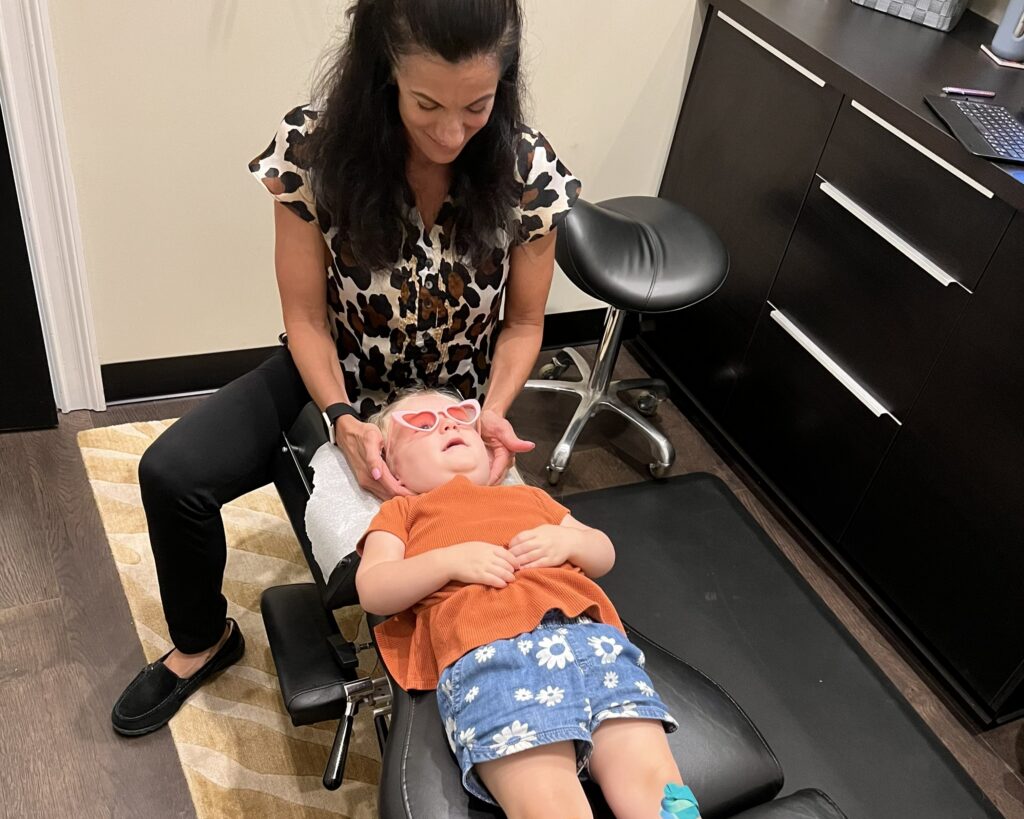

Lower back pain can be a frustrating and limiting experience, making simple tasks feel like monumental challenges. It can truly impact your daily life and overall well-being. Thankfully, there are effective, natural techniques to relieve discomfort and enhance your spinal health. As a chiropractor, I’m here to guide you through various strategies that can pave the way for recovery and a healthier lifestyle, placing chiropractic care at the forefront of your journey to wellness.
One of the best approaches to managing lower back pain is through chiropractic adjustments. These gentle manipulations can realign the spine, relieve tension, and promote better mobility, allowing your body to heal naturally without the need for medications or invasive procedures. Regular chiropractic care not only addresses the immediate pain but also plays a crucial role in preventing future issues.
In addition to chiropractic adjustments, incorporating specific exercises can significantly improve your back health. Gentle stretches and strengthening exercises can help build the muscles that support your spine, making it more resilient against pain. Activities such as walking, swimming, or yoga can also be beneficial, promoting flexibility and reducing stress on your back.
Ergonomic adjustments in your daily life can make a world of difference, too. Whether you’re working from home or in an office, ensure that your workspace is set up to support good posture. Use chairs that provide proper lumbar support, and remember to take regular breaks to stand, stretch, and move around.
To wrap it all up, if you’re experiencing lower back pain, consider prioritizing chiropractic care as a safe and effective solution. By exploring adjustments, incorporating movements that strengthen your back, and making ergonomic improvements, you can take meaningful steps toward relief and a healthier, pain-free life. Let’s embark on this journey to better spinal health together!
Key Takeaways
- Stay active with low-impact exercises like walking or swimming to keep your body moving and support your spinal health. These activities are gentle on your back while promoting mobility.
- Use heat therapy to soothe tight muscles and ice to ease inflammation. These simple techniques can provide significant relief from pain and discomfort.
- Maintain good posture throughout your daily activities. Proper posture helps prevent unnecessary strain on your back and promotes healthy spinal alignment, which is key to overall wellness.
- Incorporate daily stretching into your routine. Simple stretches, like knee-to-chest and cat-cow stretches, can help relieve tension in your back and improve flexibility.
- Consider regular chiropractic care as a vital part of your health regimen. Chiropractors specialize in spinal alignment, which can alleviate nerve pressure and enhance your overall well-being. Regular adjustments can help keep your spine healthy and functioning optimally.
By embracing these natural approaches to pain relief and wellness, you can take control of your health and support your body’s ability to heal itself. Remember, chiropractic care is a safe and effective option for achieving and maintaining your best health.
Understanding Lower Back Pain
When it comes to lower back pain, understanding its causes and symptoms is essential for effective management, and chiropractic care can play a crucial role in your recovery. If you’re feeling discomfort, stiffness, or sharp pain in your lower back, it can make daily activities feel quite challenging. Recognizing these symptoms early is key to addressing them naturally and effectively.
Lower back pain can show up in different ways, whether it’s a dull ache that lingers or sudden, intense pain that stops you in your tracks. You might find that certain movements, like bending or lifting, make your discomfort worse. It’s important to observe how your pain impacts your mobility and daily routine, as this information can help your chiropractor tailor a treatment plan that suits your needs.
Another aspect to consider is that lower back pain can lead to other issues, such as muscle spasms or changes in your posture. By understanding what you’re experiencing, you can communicate more effectively with your chiropractor, who can guide you towards natural healing methods that promote wellness and balance.
Here are some general tips to help manage your lower back pain:
- Stay Active: Gentle exercise, such as walking or stretching, can keep your muscles engaged and support your spine.
- Maintain Good Posture: Be mindful of how you sit and stand throughout the day. Good posture can alleviate strain on your back.
- Use Proper Lifting Techniques: When lifting heavy objects, bend at your knees and keep the object close to your body to avoid unnecessary strain on your back.
- Incorporate Relaxation Techniques: Practices like deep breathing or meditation can help reduce muscle tension and promote relaxation.
Common Causes of Lower Back Pain
Lower back pain can often arise from everyday habits that you mightn’t even be aware of. Common issues such as muscle strains, poor posture, and herniated discs can lead to discomfort and affect your quality of life. As a local chiropractor, I want to help you understand these causes and offer natural solutions to alleviate your pain and improve your overall back health.
One major factor contributing to lower back pain is muscle strain, which can occur from lifting heavy objects incorrectly or overexerting yourself. It’s essential to practice proper lifting techniques—bend at your knees, keep the object close to your body, and engage your core to support your spine.
Poor posture while sitting or standing is another common culprit. When you slouch or sit for extended periods without proper support, it can put unnecessary strain on your back. To combat this, make a conscious effort to maintain good posture throughout the day. Consider using ergonomic furniture and taking regular breaks to stretch and move around.
Herniated discs can also be a source of pain. This occurs when the soft material inside a disc bulges out and puts pressure on nearby nerves. Regular chiropractic adjustments can help realign the spine and relieve this pressure, promoting better spinal health.
In addition to chiropractic care, incorporating gentle exercises and stretches into your routine can significantly benefit your back. Activities like yoga or Pilates can strengthen your core and improve flexibility, which are essential for maintaining a healthy spine.
Remember, taking proactive steps towards spinal health can make a world of difference in how you feel. By prioritizing proper posture, practicing safe lifting techniques, and engaging in regular chiropractic care, you can achieve optimal health and natural wellness without the need for surgeries or medications.
Let’s work together to keep your spine healthy and pain-free!
Muscle Strain and Sprain
Muscle strains and sprains are among the most common causes of lower back pain, and understanding how to manage and prevent these injuries is crucial for maintaining optimal health.
These injuries often occur from lifting heavy objects, making sudden movements, or twisting your body in an awkward way. When you overextend or tear a muscle or ligament, it can lead to discomfort that limits your mobility. You may notice symptoms like tightness, swelling, and a sharp ache in your lower back.
To help prevent these injuries, it’s important to warm up before engaging in physical activities and to maintain a strong core through regular exercise. This not only supports your spine but also enhances your overall physical performance.
If you do experience a strain or sprain, chiropractic care can be incredibly beneficial for pain relief and natural healing. A chiropractor can assess your condition and provide personalized adjustments and techniques that promote healing and restore function without the need for medications or surgeries.
In addition to seeking chiropractic treatment, applying ice and resting can help alleviate pain. Paying attention to your body’s signals is vital to avoid further injury and ensure a quicker recovery.
Poor Posture and Alignment
Did you know that poor posture and misalignment can have a significant impact on your lower back health? Many people don’t realize that when you slouch or sit for extended periods without proper support, you’re putting unnecessary strain on your spine and surrounding muscles. This can lead to muscle fatigue and discomfort, making it essential to pay attention to your posture throughout the day.
When you stand or walk with improper alignment, it increases pressure on your lower back, which can worsen pain over time. If you often find yourself hunching over a computer or carrying heavy bags, you may notice that your discomfort intensifies after these activities.
So, how can you improve your posture and alleviate lower back pain? Here are some simple tips:
- Maintain a Neutral Spine: Aim to keep your spine in a natural position. When sitting, ensure your back is straight and your feet are flat on the floor.
- Use Ergonomic Furniture: Consider investing in an ergonomic chair or desk that supports your posture. These can make a big difference in how you feel throughout the day.
- Take Regular Breaks: If you work at a desk, set a timer to remind yourself to stand up, stretch, and walk around every hour. This helps relieve pressure on your spine.
- Practice Good Walking Technique: When walking, keep your shoulders back, head held high, and avoid leaning forward.
- Regular Chiropractic Care: Regular visits to a chiropractor can help maintain proper alignment of your spine, which is vital for overall health and can provide relief from pain.
Herniated Discs and Nerve Issues
Herniated discs and nerve issues are common culprits behind persistent lower back pain, especially when you engage in activities that put strain on your spine. When a disc slips or bulges, it can press on nearby nerves, leading to discomfort that may radiate down your legs or into your buttocks. You might experience tingling, numbness, or weakness, which can make daily tasks feel challenging.
Common causes of these issues include heavy lifting, sudden movements, or the natural wear and tear that comes with age. As a chiropractor, I believe that addressing these problems with natural, holistic methods is key to achieving lasting relief and optimal health.
One of the most effective ways to alleviate pain from herniated discs is through chiropractic care. By focusing on spinal alignment and overall body mechanics, chiropractic treatments can help relieve pressure on nerves and promote healing. Gentle adjustments can restore proper movement in your spine, reducing pain and improving function.
In addition to chiropractic care, here are some helpful tips to manage your discomfort and promote a healthier lifestyle:
- Gentle Stretching: Incorporate daily stretches to improve flexibility and reduce muscle tension in your back and legs.
- Stay Active: Engage in low-impact activities like walking or swimming. Movement is crucial for spinal health, but be sure to avoid high-impact exercises that could exacerbate your condition.
- Heat and Ice Therapy: Applying heat can relax tense muscles, while ice can help reduce inflammation. Alternate between the two for optimal relief.
- Posture Awareness: Be mindful of your posture throughout the day. Proper alignment while sitting and standing can significantly reduce strain on your spine.
- Ergonomic Adjustments: If you spend long hours at a desk, consider an ergonomic chair and workstation setup to promote better spinal health.
If you’re experiencing ongoing pain or discomfort, I encourage you to consult a chiropractor. They can create a personalized care plan that focuses on your unique needs, helping you find relief naturally and safely.
Importance of Proper Posture
Proper posture is vital for preventing lower back pain and maintaining overall spinal health. When you practice good posture, you help keep your spine aligned naturally, which allows your body to function optimally. Whether you’re sitting, standing, or moving, proper posture distributes weight evenly across your muscles and joints, significantly reducing stress on your back.
On the other hand, slouching or leaning forward can lead to unnatural curves in your spine, resulting in discomfort and pain over time.
To improve your posture, start by being mindful of your body mechanics. Keep your shoulders back and ensure your head is aligned over your spine. When sitting, choose a chair that offers support for your lower back and keep your feet flat on the ground.
If you find yourself at a desk for extended periods, remember to take regular breaks. Stand up, stretch, and adjust your position to avoid stiffness.
Incorporating chiropractic care into your wellness routine can further enhance your posture and help alleviate any existing pain. Chiropractors are trained to identify and address misalignments in the spine, which can contribute to poor posture and discomfort.
Regular chiropractic adjustments can promote better alignment, improve your body mechanics, and support your journey towards a more active, pain-free life.
By practicing good posture daily and considering chiropractic care, you not only relieve current pain but also prevent future issues, setting yourself up for a healthier, more comfortable lifestyle.
Stretching Techniques for Relief
When it comes to relieving lower back pain, incorporating the right stretching techniques can significantly enhance your comfort and mobility. As a chiropractor, I believe in the power of natural healing and spinal education to help you achieve optimal health. Focusing on specific exercises that target your back and the surrounding muscles is key, and practicing them correctly is fundamental to getting the best results.
Here are some effective stretching techniques you can easily incorporate into your daily routine:
- Knee-to-Chest Stretch: Lie on your back and gently pull one knee toward your chest, keeping the other foot flat on the floor. Hold for 20-30 seconds and switch sides. This stretch helps ease tension in the lower back.
- Cat-Cow Stretch: Start on your hands and knees, then alternate between arching your back (like a cat) and dipping it down (like a cow). This movement helps increase flexibility and relieve stiffness.
- Child’s Pose: Sit back on your heels and stretch your arms forward on the floor. This pose gently stretches the spine and can provide immediate relief from tension.
Remember, consistency is crucial. Aim to stretch at least a few times a week, ideally daily, for about 10-15 minutes. Listen to your body and avoid pushing yourself too hard; gentle stretching can provide the best results.
In addition to stretching, regular chiropractic care can be a game-changer for managing back pain. A chiropractor can help align your spine, improve your posture, and provide personalized advice on maintaining a healthy back.
This holistic approach empowers your body to heal naturally, supporting your overall well-being. By prioritizing these stretching techniques and incorporating chiropractic care into your routine, you can take significant steps towards achieving relief and enhancing your quality of life.
Embrace a healthier lifestyle, and let your journey to wellness begin!
Key Stretching Exercises
Lower back pain can be a significant obstacle to enjoying life, but there’s hope through chiropractic care and simple stretching exercises that can provide much-needed relief. As a chiropractor, I always emphasize the importance of maintaining a healthy spine and overall wellness. Incorporating key stretching exercises into your daily routine can greatly enhance your flexibility and help alleviate discomfort.
Start with the cat-cow stretch, a fantastic way to mobilize your spine and improve flexibility. This gentle movement encourages spinal alignment, which is crucial for overall health.
Next, try the child’s pose; this stretch gently opens up your lower back and helps release built-up tension, promoting relaxation.
Another beneficial stretch is the seated forward bend. This exercise not only lengthens your spine but also helps stretch your hamstrings, contributing to a more balanced posture.
Additionally, consider the figure-four stretch, which targets the hips and glutes. By easing tension in these areas, you can help alleviate pressure on your lower back.
Don’t overlook the standing hamstring stretch, either. It’s a great way to relieve tightness in your legs, which can often contribute to lower back pain.
When performing these stretches, aim to hold each position for 20-30 seconds while breathing deeply. This mindful approach can enhance the benefits of each stretch.
Proper Stretching Techniques
Effective stretching is a key component in managing lower back pain, and it can be greatly enhanced through chiropractic care. By focusing on proper techniques, you can maximize your relief and support your overall wellness. Always start with a gentle warm-up to prepare your muscles for stretching. Aim to hold each stretch for 15-30 seconds while breathing deeply to promote relaxation. Remember, avoid bouncing during stretches, as this can lead to injury.
Here are some beneficial stretching techniques that can complement your chiropractic care:
| Stretch Type | Description |
|---|---|
| Cat-Cow Stretch | Start on your hands and knees, alternating between arching your back towards the ceiling and dipping it towards the floor. This helps improve spinal flexibility. |
| Child’s Pose | Kneel and gently sit back on your heels while reaching your arms forward on the ground. This position can help relieve tension in your lower back. |
| Seated Forward Bend | Sit with your legs extended in front of you, gently reach towards your toes. This stretch can enhance flexibility in your spine and hamstrings. |
Incorporating these stretches into your daily routine can ease discomfort and improve your flexibility, contributing to long-term relief. Remember, chiropractic care not only addresses pain but also promotes a healthier lifestyle by focusing on natural healing techniques. By working with your chiropractor, you can develop a comprehensive plan that includes stretching, adjustments, and lifestyle changes for optimal health.
Frequency and Duration
Incorporating stretching into your daily routine can significantly enhance the relief you experience from lower back pain, and it complements the benefits of chiropractic care. Aim for at least 5-10 minutes of stretching each day, concentrating on your lower back, hips, and hamstrings.
Consistency is essential—try to stretch at the same time every day to create a habit. Many find it helpful to stretch after waking up or before bedtime when your muscles are more relaxed.
If daily stretching isn’t feasible, aim for at least three times a week. Hold each stretch for 15-30 seconds and repeat it 2-4 times, always listening to your body; if you feel any pain, ease off. Regular practice can lead to improved flexibility and reduced discomfort in your lower back, enhancing the effectiveness of your chiropractic adjustments.
Remember, chiropractic care is a natural and holistic approach to achieving optimal health. By combining regular stretching with your chiropractic treatments, you’re taking a proactive step towards a healthier, pain-free life.
Embrace this journey of wellness, and you may find yourself feeling better both physically and mentally.
Strengthening Exercises for a Stronger Back
To build a stronger back and support your spine’s health, incorporating targeted strengthening exercises into your routine is essential. As a local chiropractor, I believe that a strong back is fundamental to overall wellness and can help alleviate pain naturally.
Start with planks. This simple yet effective exercise engages your entire core while stabilizing your lower back. Aim to hold a plank position for 20-30 seconds, gradually increasing the duration as you become more comfortable. Remember to breathe steadily and keep your body in a straight line from head to heels.
Next, try bridges. Lie on your back with your knees bent and feet flat on the floor. Lift your hips toward the ceiling, squeezing your glutes at the top, and hold for a few seconds before lowering back down. This exercise not only strengthens your glutes but also supports your lower back, enhancing your overall stability.
Another great exercise is the bird-dog. Start on your hands and knees, then extend one arm forward while simultaneously stretching the opposite leg back. This movement improves your balance and coordination while engaging your core, which is crucial for back health.
Lastly, don’t forget about deadlifts. If you’re new to this exercise, consider starting with lighter weights or even practicing the motion without weights. Focus on maintaining proper form—keep your back straight and hinge at the hips to avoid injury. This exercise is fantastic for building strength in your lower back and legs.
Aim to incorporate these exercises into your routine two to three times a week for the best results. Consistency is key!
Additionally, consider scheduling regular chiropractic visits to ensure your spine remains aligned and to receive personalized guidance on exercises that are best for you. Remember, taking care of your back today can lead to a healthier, more active life tomorrow.
The Benefits of Yoga for Lower Back Pain
When it comes to managing lower back pain, chiropractic care is a natural and effective approach that focuses on spinal health and overall wellness. While yoga is a beneficial practice, it’s important to understand that chiropractic care can provide targeted relief and support for your spine.
Here are some key benefits of choosing chiropractic care for lower back pain:
- Spinal Alignment: Chiropractors specialize in diagnosing and correcting misalignments in the spine. Proper alignment can alleviate pressure on nerves and improve your overall mobility, leading to reduced pain.
- Strengthened Core: Chiropractic adjustments can enhance your core strength by ensuring that your spine is properly aligned, which provides better support and stability for your back.
- Improved Posture: A chiropractor can help you identify poor posture habits and provide guidance on how to correct them. Good posture is essential for preventing lower back pain and maintaining spinal health.
- Holistic Approach: Chiropractic care emphasizes a whole-body approach to healing. Alongside adjustments, chiropractors may recommend stretches, exercises, and lifestyle changes that promote relaxation and reduce stress, ultimately benefiting your back.
- Natural Pain Relief: Unlike medications or surgeries, chiropractic care utilizes natural techniques to relieve pain and enhance your body’s ability to heal itself. This approach not only addresses the symptoms but also targets the root causes of your discomfort.
For those dealing with lower back pain, consider scheduling a consultation with a chiropractor. They can develop a personalized care plan that fits your needs.
In the meantime, here are some simple tips you can incorporate into your daily routine:
- Practice Good Posture: Be mindful of your posture when sitting, standing, or lifting objects. Keeping your spine aligned can prevent strain and discomfort.
- Stay Active: Engage in gentle activities such as walking or stretching to keep your muscles flexible and strong.
- Listen to Your Body: If you feel pain, don’t push through it. Take breaks and give your body the rest it needs.
Mindfulness and Meditation Practices
When managing lower back pain, incorporating mindfulness and meditation practices can complement your chiropractic care effectively. These techniques not only promote relaxation but also enhance your overall well-being.
Start by practicing simple breathing exercises to help release tension in your back and body. Focus on inhaling deeply through your nose and exhaling slowly through your mouth, allowing your body to unwind.
Guided visualization is another excellent tool. Picture a serene place where you feel completely at ease. This mental imagery can create a sense of comfort and support your healing process.
Remember, while mindfulness and meditation are beneficial, they work best alongside regular chiropractic adjustments.
Chiropractic care focuses on aligning your spine, which is essential for optimal function and pain relief. By addressing the root cause of your discomfort, you can enjoy lasting results.
Don’t forget to maintain a healthy posture, stay active with gentle exercises, and listen to your body’s signals. These lifestyle changes, combined with your chiropractic treatment, will help you achieve a healthier, pain-free life.
Breathing Techniques
Breathing techniques are a powerful tool for managing lower back pain and enhancing your overall wellness, especially when combined with chiropractic care. These practices not only provide immediate relief but also promote relaxation and help reduce stress, which can often contribute to back pain.
By incorporating these techniques into your daily routine, you can better support your spine and improve your quality of life. Here are four effective breathing techniques to try:
- Diaphragmatic Breathing: This technique emphasizes deep, abdominal breaths. As you inhale, let your diaphragm expand fully, allowing your belly to rise. This deep breathing helps to oxygenate your body and can ease tension in your lower back.
- 4-7-8 Breathing: Inhale deeply for 4 seconds, hold that breath for 7 seconds, and then exhale slowly for 8 seconds. This method not only calms your mind but also helps to relax your muscles, providing relief to your back.
- Box Breathing: Inhale for 4 counts, hold for 4, exhale for 4, and hold again for 4 counts. This rhythmic pattern can help center your thoughts and create a sense of calm, which is beneficial for managing pain.
- Mindful Breathing: Simply focus on your breath, observing each inhalation and exhalation. If your mind starts to wander, gently bring your attention back to your breath. This practice can help you become more aware of your body and its signals, promoting a better connection with your spine.
Integrating these breathing techniques into your routine can significantly reduce discomfort and promote relaxation.
Remember, while these techniques are helpful, they work best alongside regular chiropractic care, which addresses the root cause of your pain and supports your journey toward optimal health.
Guided Visualization
Guided visualization can be a powerful tool for alleviating lower back pain, complementing the benefits of chiropractic care. By using your imagination to create a peaceful mental space, you can help shift your focus away from discomfort.
Close your eyes and envision a warm, soothing light spreading through your lower back, relieving tension and easing pain. As you take deep, calming breaths, picture your muscles relaxing and loosening, promoting greater flexibility.
You might find it helpful to listen to a calming voice or soothing music as you visualize this process, reinforcing positive feelings and enhancing your relaxation.
Incorporating guided visualization into your wellness routine can work hand-in-hand with chiropractic adjustments. Regular practice not only helps retrain your mind to associate relaxation with pain relief but also empowers you to manage and reduce your lower back pain effectively.
Remember, while guided visualization is a great addition to your self-care practices, regular visits to your chiropractor can address the root causes of your pain and support your journey towards optimal health.
Embrace these natural healing techniques, and consider adding gentle stretches and proper posture awareness to your daily life to further enhance your wellness. Together, these approaches can lead you to a healthier, pain-free life!
Ergonomic Adjustments at Work and Home
While many individuals may not realize it, making ergonomic adjustments to your workspace and home environment can significantly relieve lower back pain. As a chiropractor, I understand the importance of maintaining a healthy spine and posture for overall well-being.
Here are four simple adjustments you can make to promote spinal health:
- Chair Height: Ensure your chair is adjusted so that your feet rest flat on the floor, with your knees forming a 90-degree angle. This position supports proper spinal alignment and reduces strain on your back.
- Monitor Position: Your computer monitor should be at eye level. This helps you avoid hunching over or straining your neck, which can lead to discomfort and misalignment. A well-placed monitor encourages a relaxed and upright posture.
- Keyboard Placement: Keep your keyboard close enough so that your elbows are at a right angle. This minimizes strain on your wrists and shoulders, promoting a more comfortable typing position and reducing the risk of repetitive strain injuries.
- Standing Desk: If you have the option, consider alternating between sitting and standing. This not only encourages better posture but also alleviates pressure on your back. Standing while working can help keep your spine aligned and promote overall vitality.
By incorporating these ergonomic adjustments into your daily routine, you can enhance your comfort and support your spinal health.
Remember, a healthy spine is key to natural healing and optimal wellness. If you’re already experiencing back pain, don’t hesitate to seek chiropractic care. It’s one of the best ways to achieve relief and maintain a healthy, pain-free lifestyle.
Take charge of your health and create a workspace that supports you!
When to Seek Professional Help
Even with ergonomic adjustments in place, there are moments when lower back pain may linger or even intensify. If you encounter any of the following symptoms, it’s crucial to seek professional help from a chiropractor:
| Symptom | Action to Take |
|---|---|
| Severe pain | Schedule an appointment with a chiropractor |
| Numbness or tingling | Consult with a chiropractic professional |
| Pain after an injury | Visit a chiropractor as soon as possible |
| Difficulty standing | Get evaluated by a chiropractor specializing in spinal health |
| Symptoms lasting longer than a week | Reach out for chiropractic care promptly |
Ignoring these signs can lead to more serious issues down the line. A chiropractor can assess your condition, provide natural treatment options, and guide you on the path to recovery. Remember, early intervention can make a significant difference in your healing journey.
Here are some general tips to help you maintain a healthier back:
- Stay Active: Regular movement and gentle stretching can help keep your back strong and flexible.
- Practice Good Posture: Be mindful of your posture while sitting, standing, or lifting to avoid unnecessary strain on your spine.
- Use Supportive Furniture: Invest in chairs and desks that promote proper spinal alignment, especially if you work long hours.
- Listen to Your Body: If something doesn’t feel right, don’t hesitate to seek chiropractic care. Trust your instincts; your back deserves the best attention!
Chiropractors focus on natural healing and wellness, making them a great choice for anyone looking to alleviate pain and enhance overall health. Take the step towards a pain-free life with chiropractic care!
Lifestyle Changes for Long-term Relief
To achieve long-term relief from lower back pain, incorporating lifestyle changes is essential, and chiropractic care can be a cornerstone of this journey. By embracing these adjustments, you can significantly enhance your quality of life while reducing discomfort. Here are four key changes you should consider, alongside the benefits of chiropractic care:
1. Stay Active: Regular exercise is crucial for maintaining a healthy spine and overall wellness. Focus on strengthening your core and improving flexibility. Activities like swimming, walking, or yoga can be particularly beneficial.
Chiropractic adjustments can also support your active lifestyle by ensuring your spine is aligned, allowing you to move freely and without pain.
2. Maintain Good Posture: Being mindful of your posture while sitting, standing, or lifting is vital for spinal health. Use ergonomic furniture to support your back and make it a habit to take breaks to stretch throughout the day.
Regular chiropractic visits can help correct any postural imbalances and reinforce the importance of maintaining proper alignment.
3. Watch Your Weight: Carrying excess weight can place additional strain on your back, leading to discomfort. A balanced diet combined with regular physical activity can help you achieve and maintain a healthy weight.
Chiropractic care can also assist in this area by promoting proper spinal function, which can enhance your metabolism and support your weight management goals.
4. Manage Stress: High stress can lead to muscle tension, which may exacerbate back pain. Incorporate relaxation techniques such as meditation or deep breathing into your routine.
Chiropractic care can also help manage stress by reducing muscle tension and promoting relaxation through gentle adjustments.
By making these changes and incorporating chiropractic care into your wellness routine, you can pave the way for lasting relief from lower back pain and achieve optimal health naturally.