

If you’ve ever felt the room spinning around you, or experienced a sudden loss of balance that left you reaching for support, you’re not alone. Vertigo affects millions of older adults each year, and here in Fredericksburg, VA, we see many patients who struggle with this disorienting condition. For seniors, vertigo isn’t just uncomfortable—it can significantly impact quality of life, independence, and safety. Understanding what causes vertigo in older adults and how to manage it effectively can make all the difference in maintaining an active, confident lifestyle.
What is vertigo in older adults? Vertigo is a false sensation of spinning or movement, either of yourself or your surroundings, that occurs even when you’re standing still. In older adults, vertigo often stems from age-related changes in the inner ear, neck, or nervous system, and it carries a higher risk of falls and injury compared to younger populations.
Table of Contents
- Why Older Adults Experience Vertigo Differently
- Common Causes of Vertigo in Seniors
- Unique Challenges for Older Adults
- How Chiropractic Care Fits Into Vertigo Management
- Practical Tips for Managing Vertigo at Home
- When to See a Chiropractor or Healthcare Provider
- Vertigo Types Comparison
- Myths vs. Facts About Vertigo in Seniors
- Final Thoughts
Why Older Adults Experience Vertigo Differently
As we age, our bodies undergo natural changes that can make us more susceptible to balance disorders and vertigo. The vestibular system—which includes the inner ear structures responsible for balance—begins to show age-related decline. The hair cells in the inner ear that detect movement and position become less sensitive over time. Additionally, circulation changes, medication side effects, and cumulative effects of past injuries all contribute to increased vertigo risk in older populations.
Here at Wilderness Family Chiropractic, we understand that vertigo in seniors often involves multiple contributing factors. Unlike younger adults who might experience a single episode and recover quickly, older adults may deal with recurring symptoms or longer recovery periods. The stakes are higher too—a dizzy spell that causes a fall can lead to serious injuries like hip fractures or head trauma.
Research indicates that balance disorders affect approximately 35% of adults over age 40, with rates increasing significantly after age 60. The combination of age-related sensory decline, reduced muscle strength, and slower reflexes means that when vertigo strikes, older adults have fewer natural compensatory mechanisms to prevent falls.
Another important consideration is that vertigo symptoms in seniors may present differently. While younger people typically describe a clear spinning sensation, older adults might experience vague dizziness, unsteadiness, or a feeling of lightheadedness. This can make diagnosis more challenging and delay appropriate treatment.
Common Causes of Vertigo in Seniors
Understanding what triggers vertigo in older adults is the first step toward effective management. Several conditions become more common with age and can directly cause or contribute to vertigo symptoms.
Benign Paroxysmal Positional Vertigo (BPPV)
BPPV is the most common cause of vertigo in older adults. It occurs when tiny calcium crystals in the inner ear become dislodged and float into the semicircular canals, where they don’t belong. These crystals interfere with normal fluid movement, sending false signals to the brain about head position. BPPV typically causes brief episodes of intense spinning, often triggered by specific head movements like rolling over in bed, looking up, or bending down.
Cervicogenic Dizziness
Many older adults develop degenerative changes in the cervical spine—the neck region. When joints in the upper neck become restricted or misaligned, they can affect the proprioceptive signals that help your brain understand where your head is in space. This type of dizziness, called cervicogenic dizziness, often accompanies neck pain or stiffness and may worsen with certain neck movements.
Vestibular Neuritis and Labyrinthitis
These conditions involve inflammation of the inner ear or the vestibular nerve, often following a viral infection. While they can affect people of any age, older adults may experience more severe symptoms and slower recovery. The vertigo from these conditions is usually constant rather than positional and may last for days or weeks.
Medication Side Effects
As we age, many of us take multiple medications for various health conditions. Certain medications—including some blood pressure drugs, antibiotics, diuretics, and anti-anxiety medications—can cause dizziness or vertigo as a side effect. The more medications someone takes, the higher the risk of drug interactions that affect balance.
Vascular Issues
Reduced blood flow to the inner ear or brain stem can cause vertigo symptoms. Conditions like atherosclerosis, high blood pressure, and diabetes all become more common with age and can affect the tiny blood vessels that supply the balance organs.
Unique Challenges for Older Adults with Vertigo
Managing vertigo presents special challenges for senior patients that require thoughtful, individualized approaches to care. Understanding these challenges helps families, caregivers, and healthcare providers create safer, more effective treatment plans.
Increased Fall Risk
The most serious concern with vertigo in older adults is the dramatically increased risk of falls. According to established data, falls are the leading cause of injury-related deaths in adults over 65. When you combine age-related muscle weakness, slower reaction times, and the sudden onset of vertigo, the risk multiplies. A fall that might cause minor bruising in a younger person can result in life-threatening injuries in seniors.
Psychological Impact
Many older adults develop fear of falling after experiencing vertigo episodes. This fear, while understandable, can lead to reduced activity levels, social isolation, and decreased quality of life. Some seniors stop driving, avoid social gatherings, or become reluctant to leave their homes. This psychological impact can be just as debilitating as the physical symptoms themselves.
Slower Recovery Times
The body’s ability to compensate for vestibular dysfunction naturally decreases with age. After a vertigo episode, older adults typically need more time to recover and may require structured rehabilitation to fully regain their balance confidence. The nervous system’s plasticity—its ability to adapt and form new pathways—remains present in older adults but works more slowly.
Multiple Contributing Factors
Rarely does vertigo in older adults have just one cause. Most seniors deal with a combination of factors: some degree of inner ear degeneration, cervical spine changes, circulation issues, and medication effects all playing roles. This complexity means that effective treatment often requires addressing multiple systems simultaneously.
At Wilderness Family Chiropractic in Fredericksburg, we take time to understand the complete picture for each patient. We recognize that a 70-year-old experiencing vertigo needs a different approach than a 30-year-old with the same diagnosis.
How Chiropractic Care Fits Into Vertigo Management
Chiropractic care offers a non-surgical, drug-free approach that can be particularly valuable for older adults dealing with vertigo. Our focus is on optimizing the function of the nervous system, improving spinal alignment, and addressing mechanical factors that may contribute to balance problems.
Upper Cervical Care
The relationship between the upper neck and balance is significant. The top two vertebrae in your spine—the atlas and axis—contain important proprioceptive receptors that provide your brain with information about head position and movement. When these joints aren’t moving properly, it can contribute to dizziness and balance problems. Gentle, specific chiropractic adjustments to this region can help restore proper joint function and improve the quality of signals being sent to your brain.
BPPV Management
Many chiropractors, including those at Wilderness Family Chiropractic, are trained in repositioning maneuvers for BPPV. These techniques involve moving your head through specific positions to guide the displaced calcium crystals back to where they belong. Research suggests these maneuvers can be highly effective, with many patients experiencing significant improvement after just one or two treatment sessions.
Balance and Coordination Support
Beyond addressing the immediate causes of vertigo, chiropractic care can help improve overall balance and coordination. This involves assessing how your spine, nervous system, and musculoskeletal system work together to maintain equilibrium. For older adults, this comprehensive approach can help reduce fall risk and improve confidence during daily activities.
What Care Looks Like at Our Practice
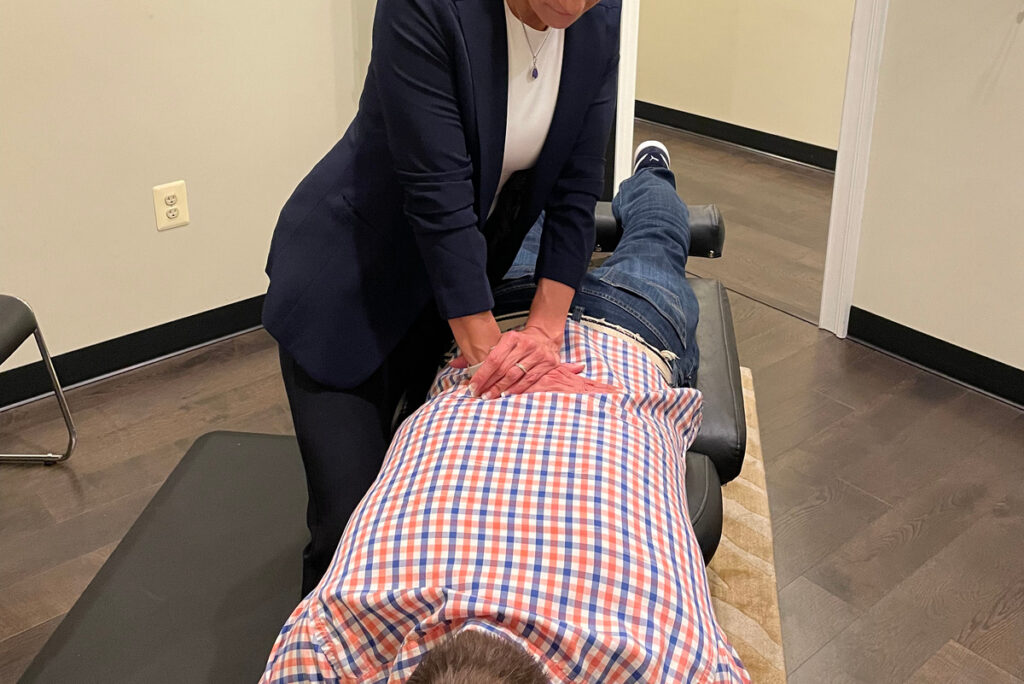
When you visit Wilderness Family Chiropractic for vertigo concerns, we start with a thorough evaluation. We’ll ask about your symptoms, their triggers, and how they affect your daily life. We’ll examine your neck, spine, and nervous system function, and may perform specific tests to determine what type of vertigo you’re experiencing.
Treatment is always individualized and gentle, especially for older adults. We use low-force techniques appropriate for seniors and adjust our approach based on your comfort level and specific needs. We also coordinate care with your other healthcare providers to ensure a comprehensive treatment strategy.
Practical Tips for Managing Vertigo at Home
While professional care is important, there’s much you can do at home to manage vertigo symptoms and reduce their impact on your daily life. These strategies are safe, practical, and backed by conservative care principles.
Modify Your Home Environment
Create a safer living space by removing tripping hazards like loose rugs and clutter. Install grab bars in the bathroom, especially near the toilet and in the shower. Ensure adequate lighting throughout your home, including nightlights for nighttime bathroom trips. Keep frequently used items at waist level to minimize the need for looking up or bending down, which can trigger vertigo episodes.
Move Slowly and Deliberately
Avoid sudden head movements or position changes. When getting out of bed, sit on the edge for a moment before standing. When looking up or down, move your entire body rather than just your head when possible. Give yourself extra time for transitions between positions.
Stay Hydrated
Dehydration can worsen dizziness and vertigo symptoms. Older adults are particularly susceptible to dehydration due to decreased thirst sensation and changes in kidney function. Aim to drink water consistently throughout the day. Avoid excessive caffeine and alcohol, which can be dehydrating.
Practice Balance Exercises
Under appropriate guidance, simple balance exercises can help improve stability and reduce fall risk. Standing on one foot while holding onto a countertop, walking heel-to-toe in a straight line, or practicing gentle tai chi movements can all be beneficial. Always perform these exercises in a safe environment where you can grab support if needed.
Keep a Symptom Diary
Track when your vertigo occurs, what you were doing at the time, how long it lasted, and any other symptoms you experienced. This information can be invaluable for your healthcare providers in Fredericksburg in determining the cause and best treatment approach. Note any patterns or triggers you identify.
Manage Stress
Stress and anxiety can worsen vertigo symptoms and increase muscle tension in the neck and shoulders. Practice relaxation techniques like deep breathing, gentle stretching, or meditation. Maintaining regular sleep schedules and staying socially connected also support overall nervous system health.
When to See a Chiropractor or Healthcare Provider
Knowing when to seek professional help for vertigo is crucial for older adults. While some dizziness may be minor, certain situations warrant prompt evaluation.
Schedule an Appointment If:
You should consider chiropractic evaluation if you experience frequent episodes of spinning or dizziness that interfere with daily activities. Vertigo accompanied by neck pain or stiffness may respond particularly well to chiropractic care. If you’ve been diagnosed with BPPV or have positional vertigo that occurs with specific head movements, repositioning maneuvers performed by a trained chiropractor can often provide relief.
Persistent imbalance that makes you feel unsteady on your feet or causes you to grab furniture or walls while walking deserves professional attention. If vertigo is limiting your activities or affecting your quality of life—even if episodes are brief—it’s worth getting evaluated.
Seek Immediate Medical Attention If:
Certain symptoms indicate a medical emergency and require immediate evaluation at a hospital or urgent care facility. These red flags include vertigo accompanied by severe headache, especially if it’s the worst headache you’ve ever experienced. Double vision, difficulty speaking, or facial drooping alongside vertigo may indicate a stroke and require emergency care.
Sudden hearing loss in one or both ears combined with vertigo, or vertigo accompanied by chest pain, shortness of breath, or weakness in the arms or legs all warrant immediate medical attention. New onset of vertigo following a head injury should also be evaluated by a physician right away.
How Long Should You Wait?
For non-emergency vertigo symptoms, don’t wait weeks to seek help. If you’ve experienced multiple episodes over a few days, or if a single episode lasts more than a few hours, it’s appropriate to schedule an evaluation. Early intervention often leads to faster resolution and can prevent falls and injuries.
At Wilderness Family Chiropractic, we’re always available to discuss your symptoms and help determine whether chiropractic care is appropriate or if you need to see another type of specialist first. Your safety and wellbeing are our top priorities.
Vertigo Types Comparison
| Vertigo Type | Primary Characteristics | Typical Triggers | Duration |
|---|---|---|---|
| BPPV | Brief spinning episodes, often intense | Head position changes, rolling in bed, looking up | Seconds to minutes |
| Cervicogenic Dizziness | Vague unsteadiness, often with neck pain | Neck movements, sustained postures | Variable, often constant with fluctuations |
| Vestibular Neuritis | Constant spinning, often severe initially | Often follows viral illness | Days to weeks |
| Medication-Related | General lightheadedness or imbalance | After taking medications, dose changes | Variable, often improves with medication adjustment |
Myths vs. Facts About Vertigo in Seniors
Myth: Vertigo is Just Part of Getting Older
Fact: While balance changes can occur with aging, true vertigo is not a normal part of getting older. It has specific causes that can often be identified and addressed. You don’t have to accept vertigo as an inevitable consequence of age.
Myth: Nothing Can Be Done for Vertigo in Older Adults
Fact: Many treatment options exist for vertigo in seniors, including chiropractic care, vestibular rehabilitation, repositioning maneuvers, and lifestyle modifications. Evidence indicates that older adults can respond very well to appropriate conservative treatment approaches.
Myth: Vertigo Always Means Something Is Wrong in Your Ear
Fact: While many cases of vertigo do involve the inner ear, other causes include neck problems, circulation issues, and neurological factors. Cervicogenic dizziness, for example, stems from the neck rather than the ear. Proper evaluation helps identify the actual source.
Myth: Exercise Makes Vertigo Worse for Seniors
Fact: Appropriate exercise and movement can actually help improve balance and reduce vertigo symptoms over time. Vestibular rehabilitation exercises, gentle stretching, and balance training are valuable components of vertigo management. The key is choosing appropriate activities and progressing gradually under proper guidance.
Myth: All Vertigo Requires Medication or Surgery
Fact: Many types of vertigo respond well to conservative care approaches like chiropractic treatment, physical therapy, and lifestyle modifications. BPPV, one of the most common causes in older adults, often resolves with simple repositioning maneuvers. Medication and surgery are rarely the first line of treatment.
Final Thoughts from Wilderness Family Chiropractic
Vertigo doesn’t have to control your life or limit your independence. Here in Fredericksburg, VA, we see older adults every week who have successfully managed their vertigo symptoms and regained their confidence in daily activities. The key is understanding that vertigo has identifiable causes, and with the right approach, symptoms can often be significantly improved or resolved.
At Wilderness Family Chiropractic, we’re committed to helping our senior patients maintain their quality of life through safe, effective, conservative care. Whether you’re experiencing your first episode of vertigo or have been dealing with balance problems for years, we’re here to help. We take a thorough, individualized approach to each patient, recognizing that your health journey is unique.
Remember, you’re not alone in this experience, and you don’t have to simply live with debilitating symptoms. If you or a loved one in the Fredericksburg area is struggling with vertigo, we encourage you to reach out. Together, we can work toward restoring your balance, confidence, and independence.
Frequently Asked Questions About Vertigo in Older Adults
Can dehydration cause vertigo in seniors?
Yes, dehydration is a common contributing factor to dizziness and vertigo symptoms in older adults. Seniors are more susceptible to dehydration due to decreased thirst sensation and age-related kidney changes. Maintaining adequate hydration throughout the day can help reduce vertigo frequency and severity.
How long does it take to recover from vertigo in older adults?
Recovery time varies depending on the cause and severity. BPPV often improves within days to a few weeks with appropriate treatment, while vestibular neuritis may take several weeks to months. Older adults typically need more time to fully compensate than younger individuals, making early treatment and rehabilitation important.
Is vertigo dangerous for seniors?
While vertigo itself isn’t usually dangerous, it significantly increases fall risk, which can lead to serious injuries in older adults. Hip fractures, head trauma, and other fall-related injuries are major concerns. This is why prompt evaluation and appropriate management are important for senior patients experiencing vertigo.
Can neck problems cause vertigo in older adults?
Yes, cervicogenic dizziness is a recognized condition where neck problems contribute to balance issues and vertigo-like symptoms. Age-related degeneration in the cervical spine can affect proprioceptive signals and blood flow, leading to dizziness. Chiropractic care focused on the upper cervical spine may help address this type of vertigo.
Should older adults with vertigo stop driving?
This depends on the severity, frequency, and predictability of symptoms. If vertigo episodes are frequent, unpredictable, or severely disabling, it may be unsafe to drive until symptoms are better controlled. Discuss this with your healthcare provider to make an informed decision based on your specific situation.
Can vertigo be prevented in older adults?
While not all vertigo can be prevented, certain steps may reduce risk: staying well-hydrated, maintaining good neck mobility through gentle exercise, reviewing medications with your doctor regularly, and addressing any underlying health conditions. Regular chiropractic care may also help maintain optimal nervous system and spinal function, potentially reducing vertigo risk.
TL;DR – Key Takeaways
- Vertigo in older adults is not a normal part of aging and has specific, treatable causes including BPPV, cervicogenic dizziness, and medication side effects
- Seniors face unique challenges with vertigo including increased fall risk, slower recovery times, and often multiple contributing factors
- Chiropractic care offers a safe, non-surgical approach through upper cervical adjustments, BPPV repositioning maneuvers, and comprehensive nervous system support
- Home management strategies like environmental modifications, slow deliberate movements, hydration, and balance exercises can significantly reduce vertigo impact
- Seek professional evaluation for recurring episodes, persistent imbalance, or any vertigo affecting your daily activities—early intervention leads to better outcomes